
Commentary
In the fog of the four-week-old U.S.–Israeli war with Iran, U.S. President Donald Trump’s surprise announcement on March 23 has injected fresh uncertainty.
After threatening to “obliterate” Iranian power plants just days earlier unless the Strait of Hormuz was reopened, Trump declared “very good and productive conversations” with Tehran and ordered an initial pause on strikes against energy infrastructure. Markets reacted instantly: Oil prices dropped sharply. Yet Iran quickly denied any negotiations were underway, calling the claims “fake news.”
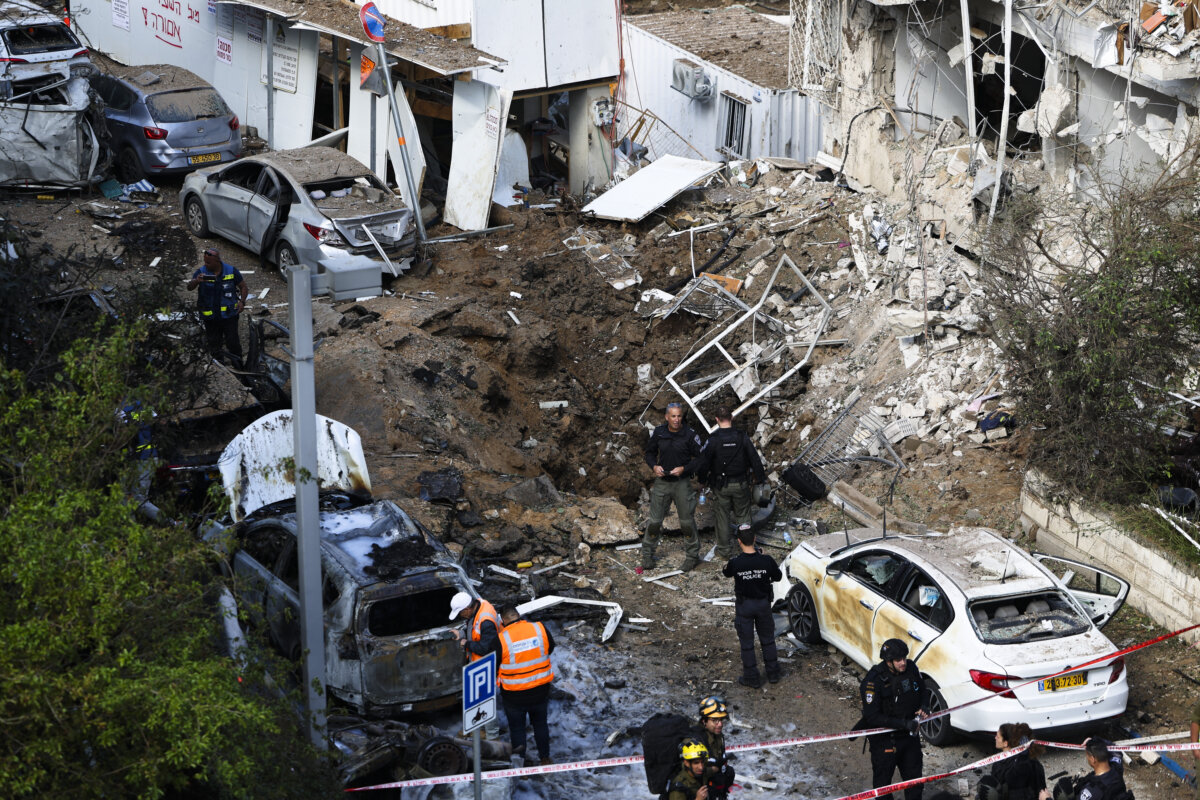
Still, the timing is telling. On the very day of the announcement, Tel Aviv experienced its first quiet day with zero Iranian missiles since the conflict began on Feb. 28 (they resumed the day after). Israel continued striking Iranian targets, and the United States maintained pressure, short of hitting power plants. This combination suggests something more than pure theater is at play.
The pause likely serves multiple purposes. It calms markets. It creates breathing room for indirect diplomacy (reports point to Egypt, Turkey, and Pakistan as messengers shuttling proposals). It potentially sows discord inside the fractured Iranian regime: One faction may be talking while others reject the idea outright. And it tests whether Tehran can deliver on any commitments. Trump described his Iranian counterpart as a very respected, powerful person—a deliberate signal that could elevate that individual’s standing or expose that person’s lack of control.
Domestic public opinion adds another layer. A recent CBS/YouGov poll conducted on March 17–20 reveals that Americans want the conflict to end quickly (92 percent), but overwhelming majorities also demand that Iran’s people be safe and free (80 percent), its nuclear program be permanently stopped (73 percent), and its threats to neighbors cease (68 percent).
Trump, therefore, seems to have some runway left: Domestic economic pressure from rising fuel costs and midterm politics are present, but they are not the sole drivers. Responsible leadership weighs domestic politics, military progress, allied interests, and long-term strategy simultaneously.
The key variable is credibility. If the Iranian interlocutors Trump is engaging can deliver on commitments and break the pattern of agreeing only to renege later, this breathing room could lead to real progress. If not, the pause may simply allow both sides to reposition before the next round of escalation.
The Israeli Perspective
From Israel’s perspective, the development is double-edged. The government was informed of talks but apparently not given full details. Earlier that day, Israeli media reported U.S. officials warning that reopening the Strait of Hormuz could extend the campaign by weeks.
Policymakers in Jerusalem are now scrambling to ensure any emerging deal permanently eliminates Iran’s nuclear program, dismantles its ballistic missile capabilities, and severs support for proxies such as Hezbollah and Hamas. As the junior partner in this alliance, Israel will ultimately have to acquiesce to Washington’s decisions—but it has earned significant credit through its operational effectiveness and loyalty.
At the military level, Israeli planners face a familiar problem. They had drawn up a four-to-six-week target list, sequencing strikes for maximum effect. The sudden prospect of a pause raises concerns that late-phase targets could be taken off the table.
History shows that when cease-fires or negotiations loom, parties often intensify operations to improve their bargaining position. We may see a spike in Israeli strikes on permissible targets during this time. On the other side, Hezbollah has not let up—claiming dozens of rocket and drone attacks on northern Israel, including one that killed a civilian. Iran can thus project “goodwill” on the direct U.S. front while its proxy keeps pressure on Israel.
What’s Next
On March 26, Trump extended the pause on striking Iranian energy infrastructure by an additional 10 days, pushing the deadline to Monday, April 6. He explicitly stated the extension came “as per Iranian government request” and claimed that talks are “going very well,” despite Tehran’s public denials.
This extension highlights the core contradiction at the heart of the current moment: Iran continues to publicly reject Trump’s proposals, framing them as one-sided and issuing its own counterdemands (including war reparations and formal recognition of Iranian sovereignty over the Strait of Hormuz). Yet privately, the regime appears to be asking for more time and has reportedly sent responses through intermediaries. Trump has even described Iran allowing approximately 10 oil tankers to transit the Strait of Hormuz this week as a “present” to the United States—a small but symbolic easing of the choke hold on global energy flows.
Whether this pause is premature remains impossible to judge. Original war plans have probably long been overtaken by events. Past conflicts—including the ongoing Russia–Ukraine war—show that negotiations can produce temporary lulls followed by renewed fighting, or they can collapse if one side is merely using talks as a tactic to buy time.
In wartime, extremes of optimism and pessimism are rarely accurate on day one. Very few things are as good, or as bad, as they first appear to be. The coming days until April 6 will reveal whether this is a genuine off-ramp or another maneuver in the fog of psychological warfare.
Views expressed in this article are the opinions of the author and do not necessarily reflect the views of The Epoch Times.
 Friends Read Free
Copy
Facebook
Tweet
Friends Read Free
Copy
Facebook
Tweet