
Commentary
In the 14th-century Chinese novel “Romance of the Three Kingdoms,” strategist Zhuge Liang leads an army south to suppress a Nanman rebellion. Rebel king Meng Huo is captured seven times. Each time he is captured, Zhuge Liang releases him, hoping mercy and demonstrated superiority will secure genuine loyalty. But each time, Meng Huo returns to fight, forging new alliances and bringing tougher forces—including the rattan-armored soldiers of King Wutugu, whose oil-soaked armor resists ordinary weapons.
Finally, only decisive force remains. Zhuge Liang lures the enemy into the narrow Coiled Serpent Valley. Pre-planted mines and oil ignite; the valley becomes an inferno. Tens of thousands burn alive. Watching from a hilltop as smoke and the stench of burning flesh fill the air, Zhuge Liang weeps and sighs:
“Though I am rendering great service to my country, yet I have sacrificed many lives. My life shall be shortened for this.”
He reflects that the destruction, although necessary to end the cycle, has injured his inner virtue. The rebellion is pacified, and Meng Huo submits sincerely, but the commander never forgets the price.
This episode resonates because it captures a grim strategic dilemma: when one side treats agreements as opportunities to rearm, hides capabilities among civilians, and calculates that high losses among its own people serve a larger cause, the other side eventually faces a brutal choice—endure perpetual low-level bleeding or cross a moral threshold with overwhelming force.
Echoes of that dilemma appear today in the Middle East, among other places. In Gaza, Lebanon, and Iran, repeated cycles of attack and response have brought, or threaten to bring, devastation that lands hardest on civilians.
Gaza
On Oct. 7, 2023, Hamas-led terrorists and accomplices broke through the border and attacked southern Israel, killing about 1,200 people—mostly civilians—and taking more than 250 hostages. Many were murdered in their homes or at a music festival. The Hamas atrocities included rape, mutilation, burning children alive, and worse. In the years before and after, Hamas fired thousands of rockets at Israeli communities and built an extensive tunnel network beneath Gaza’s crowded neighborhoods, often diverting aid and embedding military assets among civilians.
Israel responded with a sustained campaign to destroy Hamas’s capabilities and prevent future mass attacks. A fragile cease-fire began on Oct. 10, 2025, and has mostly held, although sporadic incidents continue.
The cost to Gaza’s 2.3 million people has been devastating. Gaza Health Ministry (i.e., Hamas) figures, also widely cited by U.N. agencies, report more than 72,000 Palestinians killed since October 2023, a large share of them women and children. Roughly 80 percent of buildings across the territory have been damaged or destroyed, leaving much of the population amid rubble with severe shortages of water, food, and medical care.
Israeli leaders argued that years of restraint after previous rocket barrages had only allowed Hamas to rearm. After the scale of the Oct. 7 attack, they concluded limited responses would invite more deadly assaults. Hamas’s choice to operate from within civilian areas turned every target into a humanitarian tragedy.
Ordinary Gazans bore the heaviest burden. Hamas leadership appeared willing to accept—even leverage—massive civilian losses to sustain its “resistance” narrative. The cycle seemed to leave little middle ground.
Lebanon
In solidarity with Hamas after Oct. 7, 2023, Hezbollah opened a “support front,” firing thousands of rockets and drones into northern Israel, killing dozens of civilians and soldiers and displacing tens of thousands from border communities. After Israel “decapitated” Hezbollah leadership with the “beeper operation” in September 2024, along with a massive bombing campaign, a U.S.-brokered cease-fire took effect in November 2024. But after the escalation with Iran in early March 2026, Hezbollah launched fresh rocket attacks. Israel responded with intensified airstrikes, ground operations, and evacuation orders across southern Lebanon.
The cost to Lebanon has been severe, now and in the past. According to Lebanon’s Ministry of Public Health, Israeli operations since early March 2026 have killed more than 1,000 people, including more than 120 children. At its peak, nearly 1 million Lebanese—roughly one in five of the country’s population—have been displaced. Israel ordered most residents south of the Litani River to evacuate northward, turning large areas into combat zones.
Israeli leaders stated that repeated rocket fire and Hezbollah’s refusal to withdraw fully north of the Litani left no sustainable alternative. The group’s deep embedding among civilians, along with continued rearmament, made limited responses ineffective.
Many ordinary Lebanese, including some from Hezbollah’s traditional base, have voiced public resentment, blaming the group for dragging the country into another devastating war on behalf of Iran and sacrificing Lebanese lives and homes. Once again, civilians bore the brunt, while leadership calculated that sustained “resistance” justified the price.
Iran
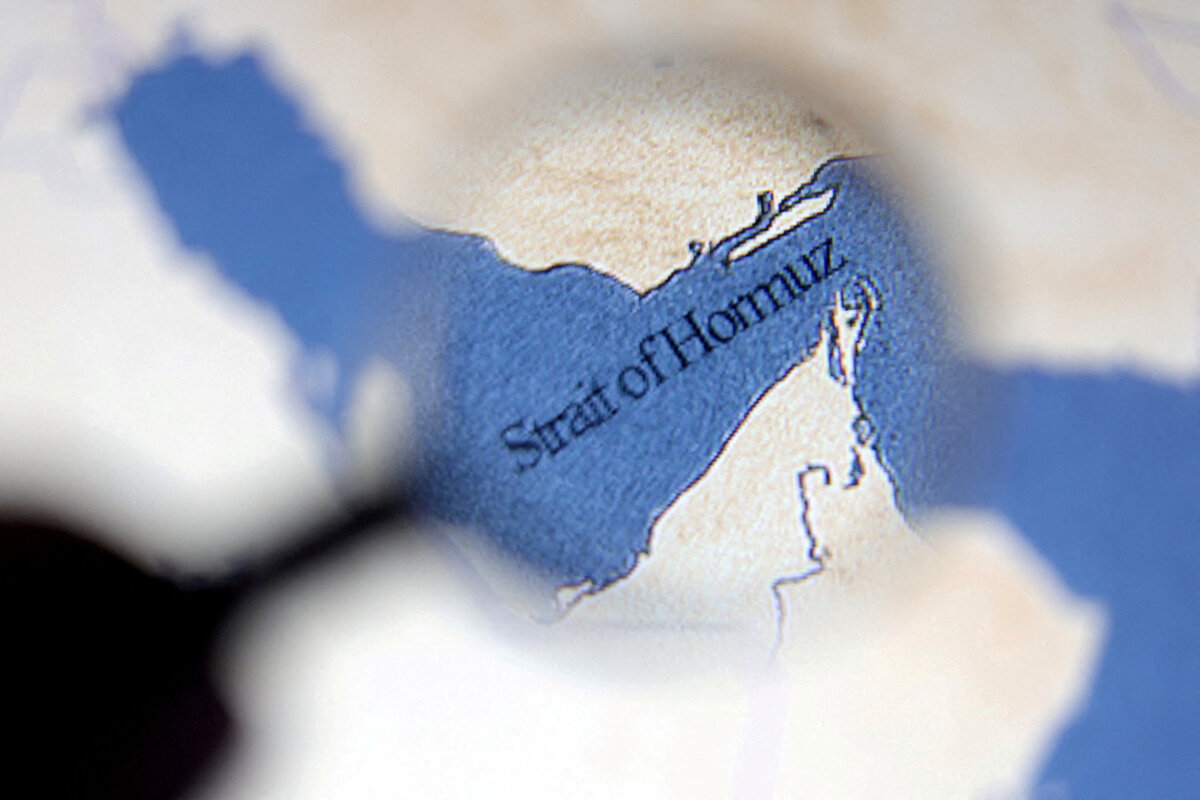
For years, Iran’s clerical regime sponsored terrorism worldwide, including against Americans. It backed proxy militias, advanced its nuclear program while calling for the destruction of America and Israel, and developed ballistic missiles. The 12-day war in the summer of 2025 severely damaged its nuclear and ballistic programs, but it has not brought progress in negotiations. On Feb. 28, after indirect nuclear talks stalled, the United States and Israel began major airstrikes. The initial attacks killed Iranian leader Ayatollah Ali Khamenei and other senior officials. Iran retaliated with missile and drone barrages on Israel, U.S. bases, and Persian Gulf infrastructure, disrupting shipping in the Strait of Hormuz.
The human cost has been significant. Reports from Iranian authorities and independent monitors cite between 1,900 and more than 3,000 deaths from the strikes, including many civilians (although so far this seems less than what was inflicted by the regime on its own citizens during their demonstrations in January). Incidents such as damage near a girls’ school in Minab (an apparent targeting mistake) have added to the toll, alongside widespread displacement, power outages, and damage to homes and medical facilities.
U.S. and Israeli leaders maintained that years of proxy attacks, nuclear advances, and broken off-ramps have left limited options for containment. On March 30, U.S. President Donald Trump posted on Truth Social that progress had been made with what he called “a new, and more reasonable, regime,” yet he warned that if a deal is not reached shortly and the Strait of Hormuz is not reopened, the United States would “blow up and completely obliterate” Iran’s electric generating plants, oil wells, Kharg Island—its main oil export hub—and possibly desalination plants. These targets have so far been deliberately spared.
This situation remains open-ended. Many ordinary Iranians, already strained by economic hardship and suppressed protests, now face the prospect of far broader infrastructure destruction affecting electricity, fuel, and drinking water, and much greater future economic strain.
Here the parallel to the ancient story feels especially close: The responding side seems to be confronting the same grim choice Zhuge Liang faced—endure endless cycles, or cross a harsher threshold.
Conclusion
No ancient tale provides easy answers for modern conflicts involving ideology, dense populations, and asymmetric tactics. Leaders weigh security imperatives against moral weight, and short-term force against long-term stability. Yet one truth echoes through the Coiled Serpent Valley and today’s battlefields: When rulers treat their own people as expendable, civilians end up paying the bill in lost lives, homes, and futures.
Zhuge Liang achieved peace in the south, but he wept and declared that his life would be shortened for it. Today, as observers watch these unfolding tragedies, the same sorrow lingers. The cycles continue not because force is chosen lightly, but because the alternatives have repeatedly failed to produce lasting restraint. Breaking them seems to demand, in our decision makers’ eyes, painful choices.
Views expressed in this article are the opinions of the author and do not necessarily reflect the views of The Epoch Times.
 Friends Read Free
Copy
Facebook
Tweet
Friends Read Free
Copy
Facebook
Tweet