
Commentary
What if a single exposure to a toxic chemical could have effects that continued to ramify for the next 20 generations, causing chronic disease symptoms that got worse, not better, as time passed?
Sounds like a nightmare, doesn’t it? But new research in rats suggests that possibility could be very real, and it might help explain why rates of chronic diseases have exploded in recent decades—everything from Alzheimer’s to autism—without any sign of improvement.
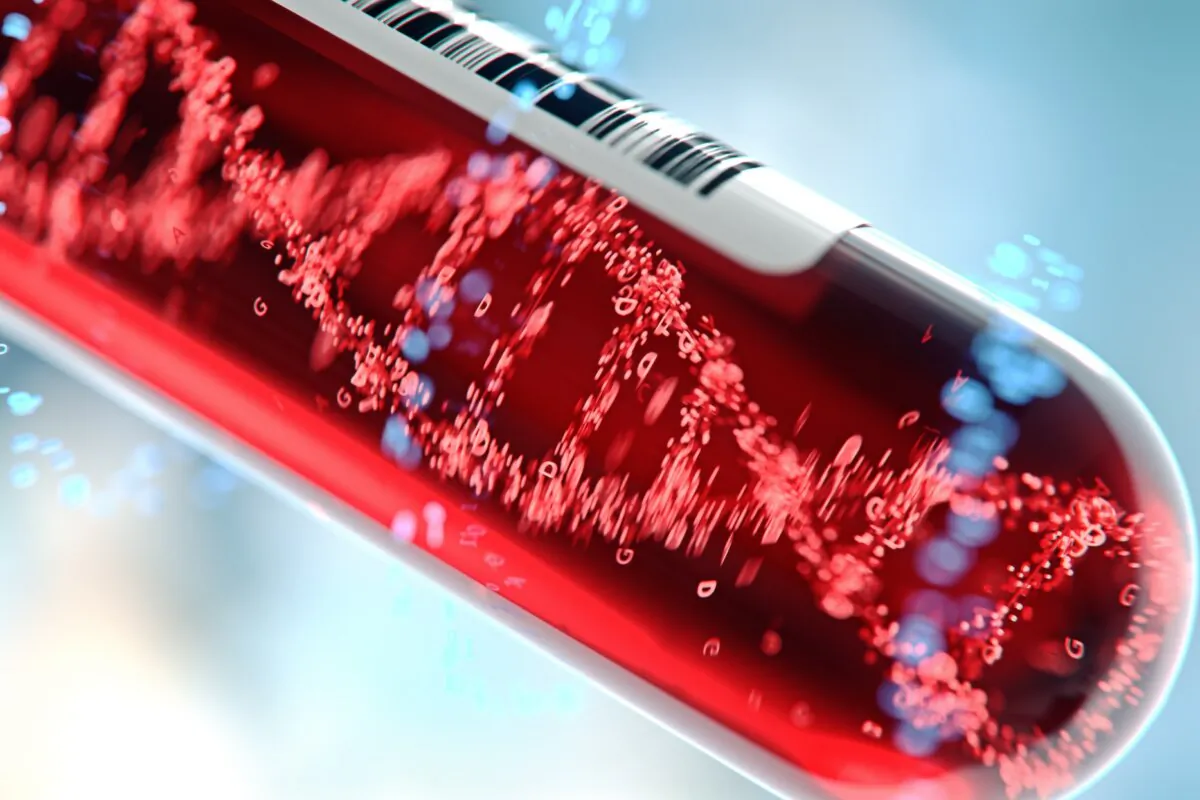
The “epigenetic inheritance of disease” is a field of study that’s barely 20 years old. Research by scientists, such as Michael Skinner at Washington State University, has shown that toxic substances can change processes that regulate how genes are turned on or off—processes such as DNA methylation—and these changes at the epigenetic level can then be passed on by mother and father to their offspring.
What’s particularly worrying about the findings of this research is that the effects can be transmitted through multiple generations, and they can actually get worse the further you get from initial exposure.
A new study, co-authored by Skinner, looks at a fungicide called vinclozolin. Sold under the brand names Ronilan and Vorlan, vinclozolin was introduced at the beginning of the 1980s for use on lawns and fruit and vegetables, especially grapevines.
Animal testing soon revealed a wide range of negative effects. The chemical was linked to various kinds of cancer, reproductive and metabolic abnormalities, and kidney disease. Like many so-called endocrine-disrupting chemicals, vinclozolin alters the body’s hormonal function, blocking androgen receptors that respond to male hormones such as testosterone. Endocrine-disrupting chemicals can interfere with vital processes of sexual differentiation and development, right from the moment of conception, through infancy and childhood, and into adulthood.
Widespread exposure to these chemicals is among the believed causes of the catastrophic decline in fertility that’s taking place across the Western world. By 2050, according to one expert in reproductive health, the median man could have a sperm count of zero: One half of all men will have none, and the other half will have so few, they might as well have none.
Vinclozolin is banned in the European Union, and the U.S. Environmental Protection Agency began phasing it out of use in the U.S. food supply in the early 2000s. Last year, it was classified by the International Agency for Research on Cancer as “possibly carcinogenic to humans.”
In the study mentioned above, researchers exposed pregnant rats to vinclozolin and then bred the offspring for 23 generations to observe the epigenetic effects. A control group, with no ancestral exposure to vinclozolin, was also bred for the same number of generations.
At one year of age, the rats were tested for disease. Samples of various tissues were taken, including sperm, testicular and ovarian tissue, kidney tissue, and fat.
The researchers found that, by the 23rd generation, the rats had accumulated massive epigenetic changes across the genome, in regions governing metabolism, hormones, and organ function. Most of the changes were concentrated in the maternal rather than the paternal line—470 changes compared with 64.
Later generations suffered higher rates of kidney, prostate, testicular, and ovarian disease. They became overweight or obese on the same diet as the control rats, which remained lean.
Fertility plummeted for both males and females: Birth complications increased, and sperm counts decreased significantly. At about the 20th generation after exposure, it became harder and harder for the females to give birth successfully. Either the mother would die in childbirth, or the entire litter of pups would die.
If the findings of this study were directly transferable to humans, we could expect to see worsening changes for hundreds of years—more than half a millennium, in fact—after initial exposure.
Rats aren’t people, of course, so some caution is necessary when applying these shocking findings to us. Still, human studies have shown similar findings, including transgenerational changes to fertility for both sexes.
If epigenetic mechanisms are at work in the inheritance of disease risk, it would help to explain the current epidemic of chronic disease and why it continues to snowball. Autism, for example, has increased from one in 150 American children in the year 2000 to one in 31 children. Seventy percent of adult Americans are now overweight or obese.
The diseases the rats fell prey to are some of the very same chronic diseases Americans and people throughout the Western world suffer from today. And this is just one chemical. There are thousands, even tens of thousands, that we’re exposed to now on a daily basis. Many are already known to be harmful, but the vast majority have little to no safety data whatsoever. They’ve never been tested. We simply don’t know what they’re doing to us—on their own or in combination.
If the epigenetic inheritance of disease is real and cuts anywhere near as deep as this new study suggests, we’ll need a total rethink of the way chemicals are tested and regulated. At present, regulators barely consider the transgenerational effects of exposure to chemicals, and they certainly don’t consider the knock-on effects 10 or 20 generations down the line. That will have to change.
And we’ll also have to reckon with the unfortunate truth that even if we eliminate harmful chemicals, their effects will still be with us, passing down the generations silently and imperceptibly by means of processes such as DNA methylation. New diagnostic tools and treatments will be needed to identify harmful changes and put an end to this toxic inheritance.
Views expressed in this article are the opinions of the author and do not necessarily reflect the views of The Epoch Times.
 Friends Read Free
Copy
Facebook
Tweet
Friends Read Free
Copy
Facebook
Tweet