
Commentary
The United States defeated Canada in men’s ice hockey at the 2026 Winter Olympics, winning gold in overtime. The goal was dramatic, and the reaction was immediate. Almost instantly, the result was wrapped in familiar stories about national pride, rivalry, and meaning.
That is what usually happens after moments like this. Politics rushes in to claim them.
But the Olympics still reveals something that modern politics prefers to forget: States cannot manufacture excellence.
Governments can spend money. They can build facilities. They can scout talent early, surround it with resources, and celebrate the outcome. What they cannot do is create the thing that actually produces greatness. That work happens long before anyone is watching. It happens in repetition, discipline, sacrifice, and decisions made with no guarantee of reward. It comes from the choices and dedication of an individual human being.
The Olympics remains one of the few places where this difference is still visible.
That was true in Milan, and it has been true before. The last time the United States won Olympic gold in men’s hockey before this year was in 1980. That team was made up of college players who defeated the Soviet Union at the height of the Cold War. The political stakes were enormous. Diplomatic channels were frozen at the time. The Moscow Olympics would soon be boycotted. The world was divided into hostile, ideological camps. But the victory itself did not come from politics.
What history remembers as the Miracle on Ice was not a diplomatic success or a geopolitical maneuver. It was the result of individuals becoming excellent at something difficult before anyone decided that it was particularly useful. No government program could have produced the trust, timing, and cohesion that that team displayed. Those players had spent years training without attention, glory, or even assurance that their effort would matter to anyone but themselves. Yet when they won, the state benefited from something it did not create.
Modern governments are under constant pressure to show competence and control. Excellence is attractive because it generates confidence and unity without force. It is tempting, then, to believe that achievement can be planned, managed, and deployed like any other national asset.
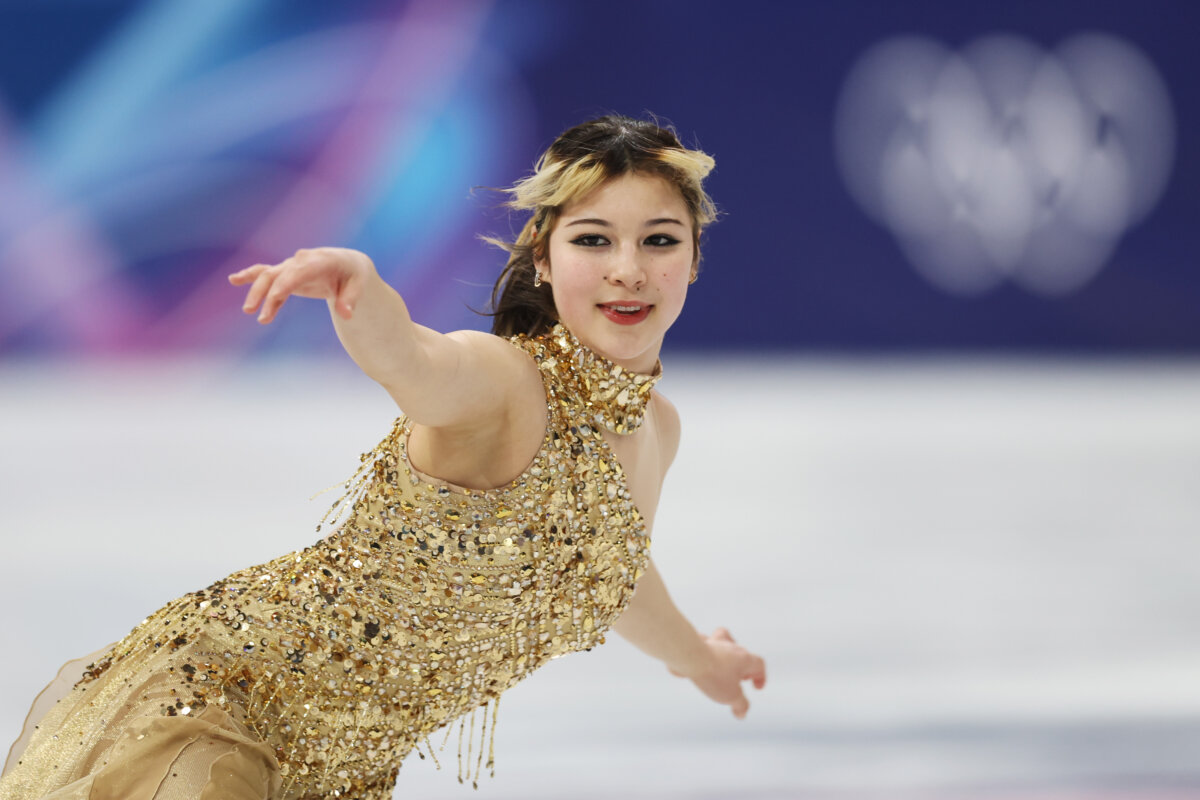
This became visible again in Milan, in women’s figure skating.
Alysa Liu arrived at the 2026 Games as a young American skater shaped not only by years of training, but also by the culture in which she grew up. Her father fled a one-party state after participating in the pro-democracy protests that ended in the Tiananmen Square massacre of 1989. He chose the United States deliberately. It was not only a safer place to live, but also a place where independence of thought, speech, and ambition were protected by law.
That choice formed the atmosphere in which his daughter matured.
In 2021, as Liu prepared for the Beijing Olympics, the FBI warned her father that Chinese regime agents were monitoring the family on American soil, attempting to intimidate them into silence. The shadow of the state had followed them. But it did not define them. He shielded his daughter from that pressure and let her skate freely.
In Milan, she won gold, becoming the first American woman to do so since 2002. What audiences around the world noticed was not only her technical skill, but also her independent spirit, her lightness of character, personal flair, and lack of visible fear. We all sensed that she was skating as herself, not as a symbol.
That quality is not accidental. It grows out of a culture that prizes individuality, flair, and personal expression, a culture in which excellence is expected to reflect the person, not the state.
Also competing in Milan, also from California, also of Chinese descent, was Eileen Gu.
Gu is an extraordinary athlete. She chose to represent China, won gold in the halfpipe, and became part of a broader national effort to project success through sport. Yet China’s political system is built around centralized authority and a single ruling party. In such a system, public achievement is rarely separate from the state narrative. Talent is quickly woven into representation.
The difference we see as spectators is not talent, but environment.
In one case, excellence developed within a culture that protects personal independence and absorbs political pressure so individuals can flourish. In the other, excellence operates within a system in which the state always looms over it.
Neither athlete trained alone. But the distance between individual and state was not the same.
What happened in Milan did not change foreign policy or settle disputes between nations. But it did something that humans felt deeply and cheered for. They weren’t cheering for policy. They were cheering for human effort.
They saw hockey players who had pushed themselves for years reach a moment that demanded everything they had. They saw a young woman skate with freedom and confidence that came from discipline and personal choices, not from political pressure. They saw what it looks like when someone commits to becoming the best at something difficult.
That moves us, and it should.
We talk constantly about politics, systems, leaders, and power. But the Olympics reminds us of something far more personal: The ability to pursue excellence is not reserved for governments or institutions. It lives in individuals.
It lives in people who decide to practice longer, focus harder, take responsibility, and refuse to quit. It lives in families that protect independence and encourage courage. It lives in communities that value freedom enough to let people grow into themselves.
When we watched those athletes, we weren’t just watching sport. We were watching what human beings are capable of when they are free to pursue mastery.
And that capacity is not rare or confined to Olympic ice. It exists in all of us.
States cannot manufacture excellence. But free people can choose it. And when they do, others feel it. They are inspired by it. They raise their expectations of themselves because of it. That is how culture moves: not only from politics down but also from individuals up.
Views expressed in this article are the opinions of the author and do not necessarily reflect the views of The Epoch Times.
 Friends Read Free
Copy
Facebook
Tweet
Friends Read Free
Copy
Facebook
Tweet