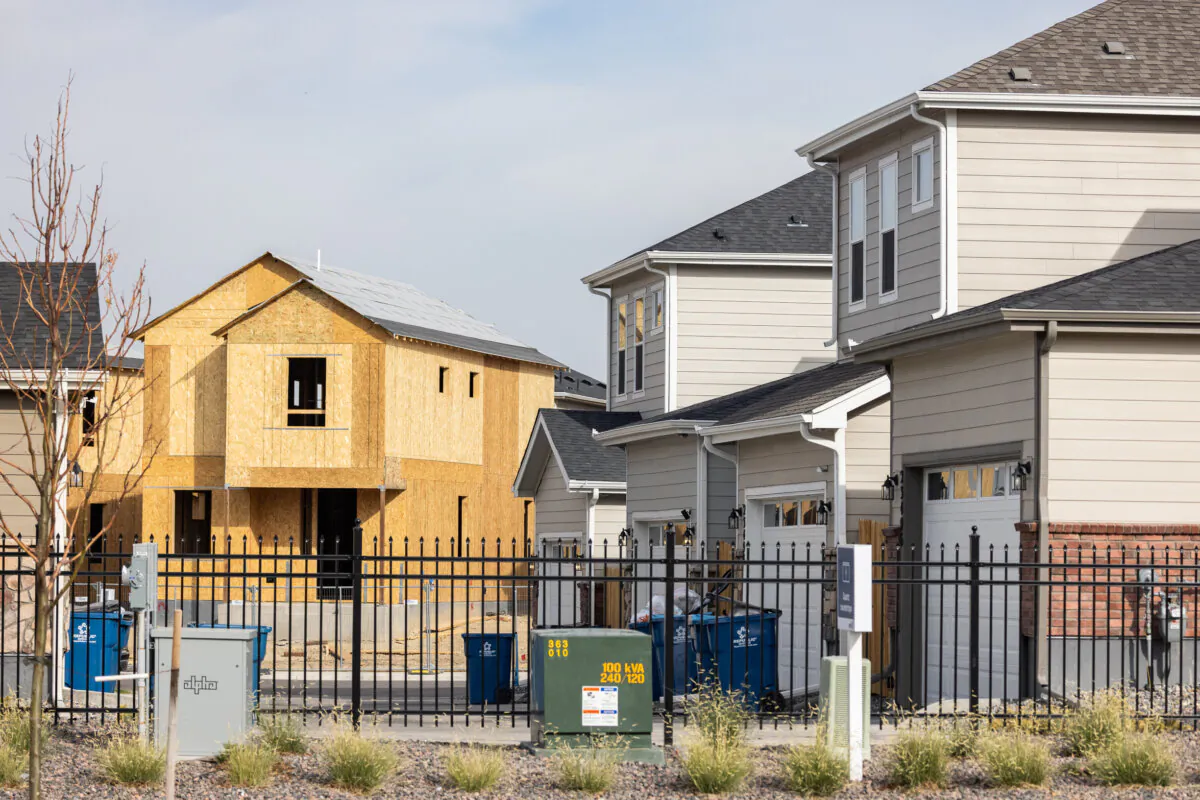

Even as homebuilders set a decade-high pace for new construction during the COVID-19 pandemic, the U.S. housing shortage continues to grow.
Zillow reported that 8.1 million households shared homes with nonrelatives in 2023, while just 3.4 million units were for sale or rent. The housing deficit hit 4.7 million homes in 2023, up from 4.5 million in 2022 and 4.3 million in 2021. This marks a three-year climb following the COVID-19 pandemic construction surge.
According to a national survey released in January, U.S. mayors from 120 cities in 43 states estimated that the country has a 4 million to 7 million home shortage. More than half of those mayors expect their cities to lack 5,000 to 20,000 units in the next five years.
Mayors warn that the housing deficit could grow by another 2 million units over the next five years.
Investors and developers have ramped up efforts to build more homes. From late 2020 to 2022, new housing permits climbed to their highest level in a decade. After a slight decrease post-2022, permit activity remained elevated through the past three years.
In 2024, new-home construction outpaced household formations for the first time since 2016, according to a Realtor.com report. Home completions also reached the highest level in nearly two decades, driven by increased single- and multi-family construction.
Shortage Shrinks in Metro Areas
After job losses spiked during the COVID-19 pandemic, the National Association of Realtors (NAR) tracked sharp housing shortages in early 2023, followed by a steady decline in many major metropolitan areas.
The Office of the Comptroller of the Currency attributed the 2023 shortage to strong job growth and migration to big cities, much of it fueled by millennials–aged 25 to 44–moving for work.
Since then, shortages in major metropolitan housing markets have fallen to or below pre-COVID-19 pandemic levels because of the surge in new construction and rising home completions.
“Our top metros for new construction are places where builders are delivering much-needed inventory at price points that reflect local demand,” said Danielle Hale, chief economist at Realtor.com. “With nearly half the homes for sale in some of these areas being new construction—and often priced at or below existing homes—buyers have a real chance to become homeowners in a newly built house they can afford.”
NAR recommends issuing one single-family building permit for every two new jobs created—a benchmark that many metropolitan areas still fail to meet.
For decades, New York City has struggled to build enough homes to keep up with demand from population and job growth, as well as to offset the loss of units through demolition and conversions, according to a Citizens Budget Commission report released in June 2024.
Although coastal cities such as New York City often grab the spotlight, analysis from Janover Multifamily Loans shows that nearly every major city nationwide faces a housing shortfall. New NAR data reveal that household growth outpaced single-family home permits in 83 of the 175 metro areas with at least 100,000 nonfarm employees.
Housing Vacancies Climb as Price Burden Grows
Although a shortage of affordable homes persists, the metropolitan housing vacancy rate has recovered to pre-COVID-19 pandemic levels.
The number of homes available for sale or rent has risen by about 1 million since 2022, with metro vacancy rates climbing from 6.5 percent in 2022 to 7.8 percent in 2024.
Growth in housing inventory and vacancies amid the ongoing shortage is primarily driven by rapidly rising housing prices, which have priced many households out of ownership and led to fewer affordable options on the market.
Home prices have grown much faster than incomes, putting ownership out of reach for millions of Americans, according to a report from the Chamber of Commerce.
Nearly 70 percent of Americans are deeply concerned about rising housing costs, and since 2020, home prices across the country have soared by more than 40 percent, a recent survey of mayors found.
U.S. home values soared at a record pace during the COVID-19 pandemic, and by July 2025, the typical home price was almost three times higher than it was 25 years ago.
“We still don’t have an abundance of homes that are affordable to low- and moderate-income households, and the progress that we’ve seen is not happening everywhere. It’s been concentrated in the Midwest and the South,” Hale said in an NAR report.
Nearly 42 million Americans spent at least 30 percent of their income on housing in 2023, according to the Census Bureau.
More than one in four homeowners with a mortgage—about 14.7 million people—and 15.2 percent of homeowners without a mortgage, or 5.1 million, were cost-burdened. At the same time, more than half of renters—51.8 percent, or 22 million households—allocated 30 percent or more of their income to rent.
The Chamber of Commerce pointed to high inflation, rising construction costs, and tight housing supply as the main reasons home prices have surged since 2020.
Construction Costs
U.S. residential construction costs rose by nearly $292 billion from 2020 to July 2025. Construction expenses made up 64.4 percent of the average new home price in 2024, up from 60.8 percent in 2022, marking a record high since the National Association of Home Builders began tracking the figure in 1998.
According to the association, broad inflation since 2022—especially higher building material prices—is largely responsible for driving up construction costs.
Rising material prices don’t just make it more expensive to build and buy a home—they create ripple effects throughout the housing market, the association reported.
Over the past year, home insurance premiums have jumped sharply, in part because insurers factor in the higher cost of building materials needed for repairs. Although material prices have been climbing for years, their full impact is now showing up in the insurance market, adding to overall housing costs.
Mortgage Rates
Mortgage rates have reached a 20-year high, adding to the financial strain of rising home prices. Many first-time buyers have found it especially hard to enter the market, with first-time homeownership dropping to a historic low.
“For many first-time homebuyers, navigating the current housing market still feels like window shopping,” NAR senior economist Nadia Evangelou said in a report. “Listing prices don’t match first-time homebuyers’ budgets. If the promising trend of building smaller homes continues, that could be a meaningful step toward easing the housing affordability gap for more buyers.”
High mortgage rates have created a “lock-in effect,” with many homeowners unwilling to sell homes with low-interest loans. This reluctance has further limited the supply of homes, intensifying affordability challenges, according to the Chamber of Commerce.
“After the COVID-19 pandemic, working-class households faced higher interest rates and higher inflation, both a result of the Fed’s actions and inaction,” Treasury Secretary Scott Bessent said.
Since the Fed raised interest rates seven times in 2022, the average 30-year fixed rate climbed from 3.2 percent in January to 7.1 percent in November 2024. As rates continued to rise in 2023, briefly peaking near 8 percent, the average 30-year fixed rate settled at 6.5 percent by Sept. 4, 2025.
Bankrate analyst Jeff Ostrowski said: “That last point is one of the self-perpetuating features of a lock-in effect. If hundreds of thousands of homes aren’t coming onto the market because owners don’t want to give up their super-cheap loans, then that means there’s less supply. Less supply of homes for sale means more competition for those that are on the market—and higher prices.”
 Friends Read Free
Copy
Facebook
Tweet
Friends Read Free
Copy
Facebook
Tweet