
A discarded SpaceX engine crashed into the lunar surface on Aug. 5 after drifting in space for more than a year.
The impact was anticipated by NASA and SpaceX officials, and its debris plume was observed by a high-altitude ground telescope in Chile.
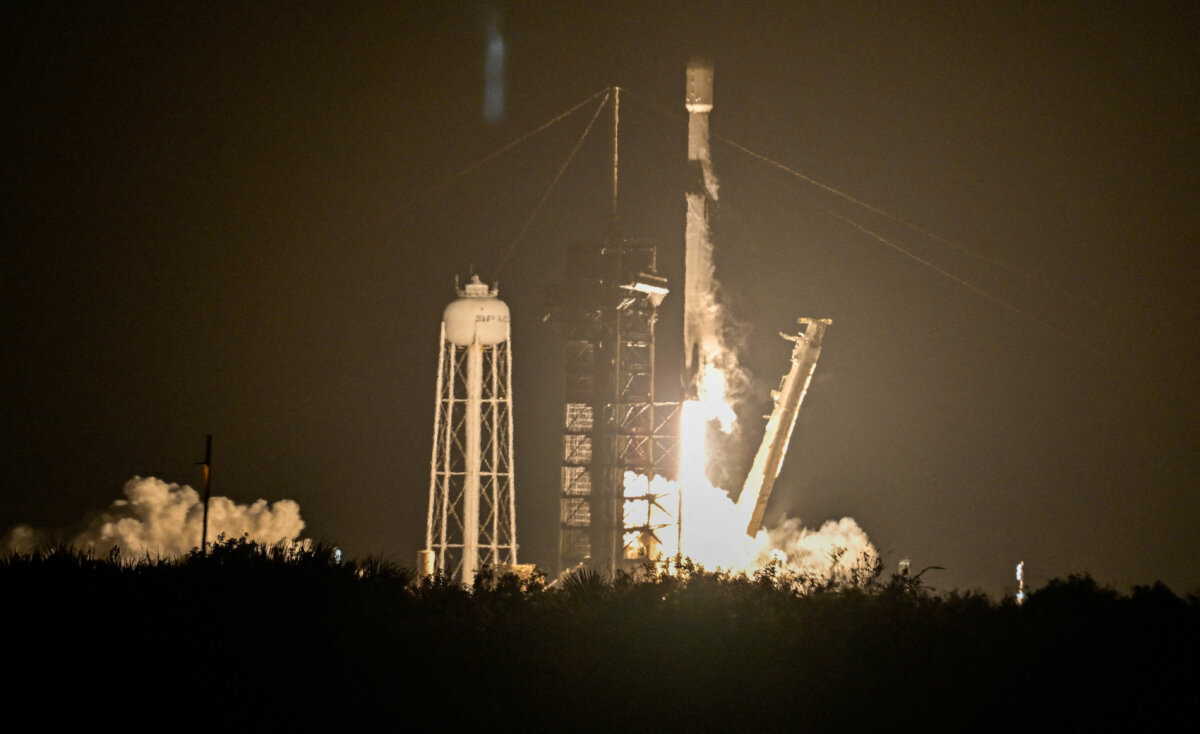
According to Julianna Scheiman, director of NASA Science and Dragon Programs at SpaceX, the impacting hardware was the second stage of a SpaceX Falcon 9 rocket that launched in January 2025 and sent two unmanned spacecraft to the lunar surface.
After the payloads were put on the course from Earth to the Moon and deployed, she said SpaceX performed the appropriate maneuver to safely dispose of the rocket according to current rules and regulations. However, natural elements of the Earth-Moon-Sun system pushed the rocket piece back to the Moon.
“What has happened is essentially a mixture of solar activity and gravity forces have put it on a path towards the moon,” she said in an Aug. 3 interview for the upcoming NASA/SpaceX Crew-13 mission to the International Space Station.
This impact is not unique to spaceflight. NASA has intentionally sent objects to impact the lunar surface. During the first-ever manned flight to and around the moon, Apollo 8 in 1968, the booster used to escape Earth’s gravity followed the crew capsule for an extended period of the outbound trip.
NASA administrator Jared Isaacman addressed this ongoing practice on X the day of the impact.
“For those interested in a spent booster impacting the lunar surface, this rare occurrence has decades of history, going back to the Apollo era, when NASA intentionally crashed spent stages into the Moon for science and seismic research,” he said. “The reality is that meteoroids strike the lunar surface hourly, with impacts comparable to this upper stage occurring roughly every six days. The future lunar base will incorporate reusable spacecraft that not only deliver astronauts and payloads, but also become part of the infrastructure itself.”
Part of that increased reusability is expected to come from the SpaceX Starship, which is promised to become the first completely reusable heavy-lift rocket in spaceflight history as it services crewed and cargo missions to the lunar surface.
NASA is not the only space agency to have objects unintentionally crash on the lunar surface. In 2022, a rocket carrying an unmanned moon mission launched by communist China crashed into the lunar surface.
The Associated Press contributed to this report.
 Friends Read Free
Copy
Facebook
Tweet
Friends Read Free
Copy
Facebook
Tweet