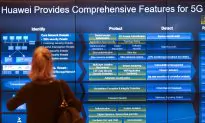
Huawei’s most problematic scheme involves 5G “next generation” wireless communication systems that can connect cellphones, the internet, and the “internet of things.”
It has launched a lobbying effort to convince U.S. allies to keep Huawei out of next-generation 5G telecommunications infrastructure, citing concerns that the company could spy on customers on behalf of Beijing. Huawei has denied the allegations.
An intelligence agency decision in November that rejected participation by Chinese technology giant Huawei in New Zealand's 5G network has left politicians and foreign policy analysts worried about relations with one of New Zealand's key trading partners
A year later, the ASD led Australia’s risk assessment of new 5G technology, which prompted Canberra to effectively ban the CCP's telecom firm Huawei from its nascent 5G network.
It has launched a lobbying effort to convince U.S. allies to keep Huawei out of next-generation 5G telecommunications infrastructure, citing concerns the company could spy on customers.
U.S.
If the Trump administration had not vigorously banned and blocked Huawei, the 5G network in the United States could have fallen into the hands of the CCP, and Europe could have fallen as well.
In July, Prime Minister Boris Johnson ordered that Huawei be purged from Britain’s 5G networks by 2027 amid fears of spying and sabotage, and following tough U.S. sanctions against the company affecting its supply of up-to-date chips.
Most of Canada's allies in the Five Eyes intelligence alliance have banned Huawei from their emerging 5G networks, the next evolution in wireless internet technology.
China is also set to figure prominently during the discussions as it has become more assertive in its neighbourhood and around the world—and because of U.S. demands that Canada and others ban Huawei from its 5G networks.
The government "took too long" to strip Huawei—a Chinese telecommunications giant—from the UK's 5G network, the Conservative MP said during the second reading of the Procurement Bill, adding that there are "tens of examples" of other Chinese products
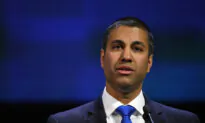
WASHINGTON—The majority of the equipment at the heart of 5G networks come from just a small number of global suppliers, with the largest being Chinese company Huawei. Ajit Pai, chairman of the U.S.
Tension between the two countries has picked up after Australia blocked Chinese telecoms giant Huawei from participating in a 5G telecommunications buildout last year.
Standing at the center of the 5G donnybrook is Huawei. Founded in 1987 by Ren Zhengfei, a PLA veteran who came up through the ranks as a military IT researcher, Huawei has been losing the media warfare battle of late.
Last year, Chinese tech giant Huawei Technologies Corp. was hit with frequent setbacks, even in small European countries. Sweden barred Huawei and ZTE from its 5G network on Oct. 20, 2020, for security concerns.
SoftBank has a long relationship with Huawei that has included joint trials of fifth-generation (5G) network technology.
On Dec. 10, Kyodo News reported that SoftBank will no longer use Huawei equipment for its current network as well as in 5G.
The U.S. government has brought criminal charges against Huawei, alleging theft of trade secrets, bank fraud, violations of U.S. sanctions against Iran, and has sought to convince allies to ban it from 5G networks over spying fears.
In a March 17 post titled “Strategy Analytics: Huawei 1st among top 5 contributors to 3GPP 5G specs,” Alan Weissberger reports that “even though there are more than 600 member companies participating in 3GPP, their 5G specification process is actually
The United States and allies including Australia have restricted Huawei from working on next-generation 5G mobile networks. Germany is debating whether to follow suit.
If his eyes unexpectedly pop open on China, Huawei will be banned from our 5G network. If not, it won’t matter what our mere foreign minister of global affairs and social climate inclusion thinks.
Sigh. Sob. Laugh hysterically.