
World Cup fever is running high, as next week soccer once again takes center stage as the sporting world’s obsession.
This quest for global supremacy happens every four years. From June 11 through July 19, the 2026 World Cup will be co-hosted by three countries—Canada, Mexico, and the United States—with 11 of the 16 host cities spread throughout America, from Boston and New York/New Jersey to California and Washington.
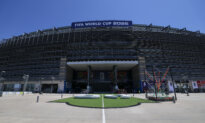
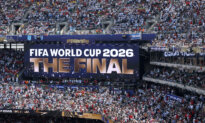
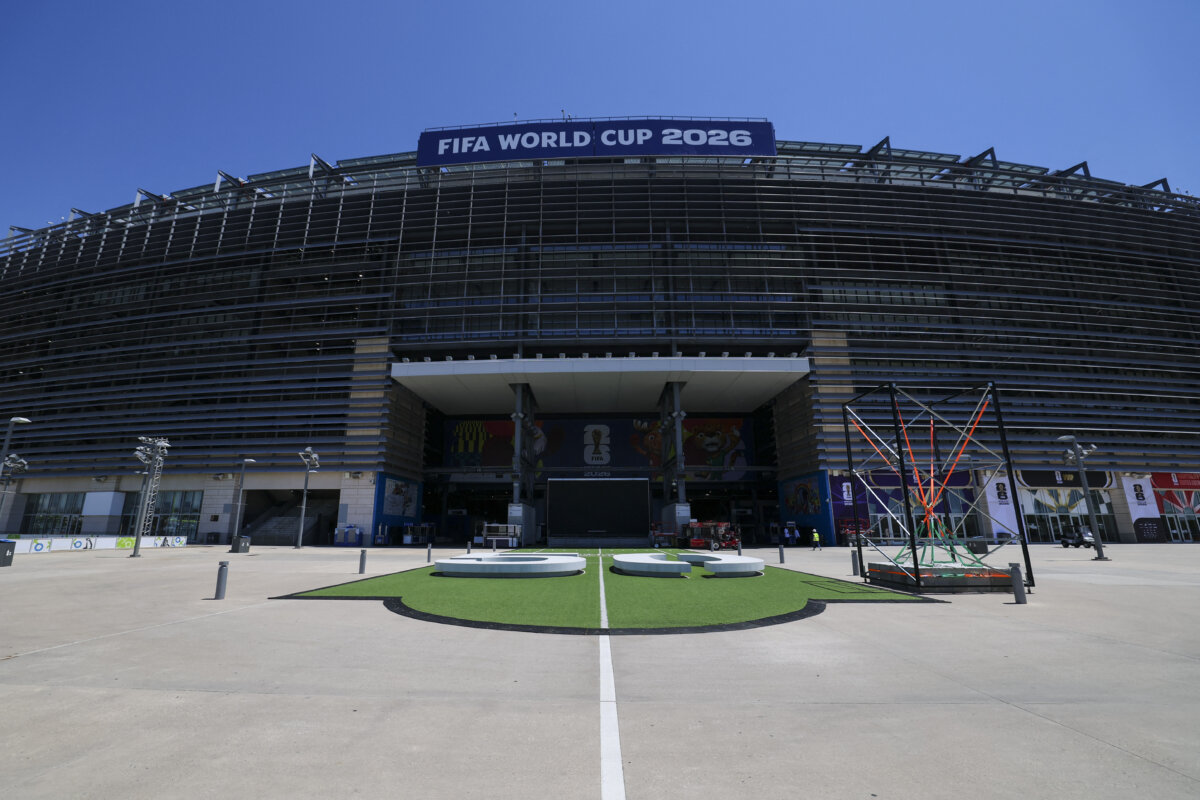
The final Cup match is scheduled for Friday, June 19, seven miles west of Midtown Manhattan in East Rutherford, N.J., at MetLife Stadium, which has been temporarily renamed New York New Jersey Stadium.
A week before, on June 12, the U.S. Men’s National Team and Paraguay kick off their match at SoFi Stadium in Los Angeles.
As popular as the sport is worldwide, and although it continues to make inroads at all levels, from college leagues to the 30-team Major League Soccer federation primarily based in the United States, in North America its path continues on a bumpy climb when competing with other professional sports.
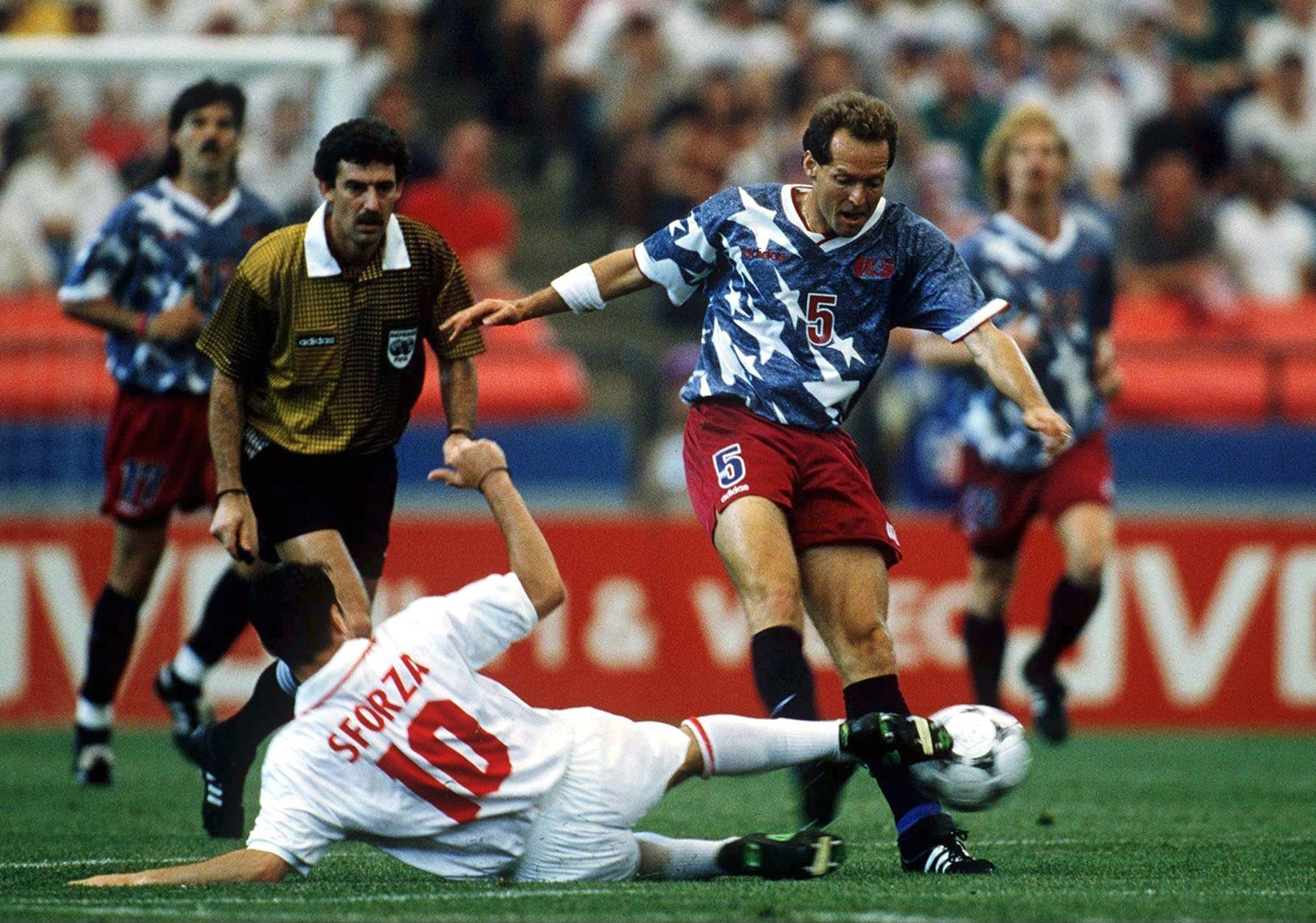
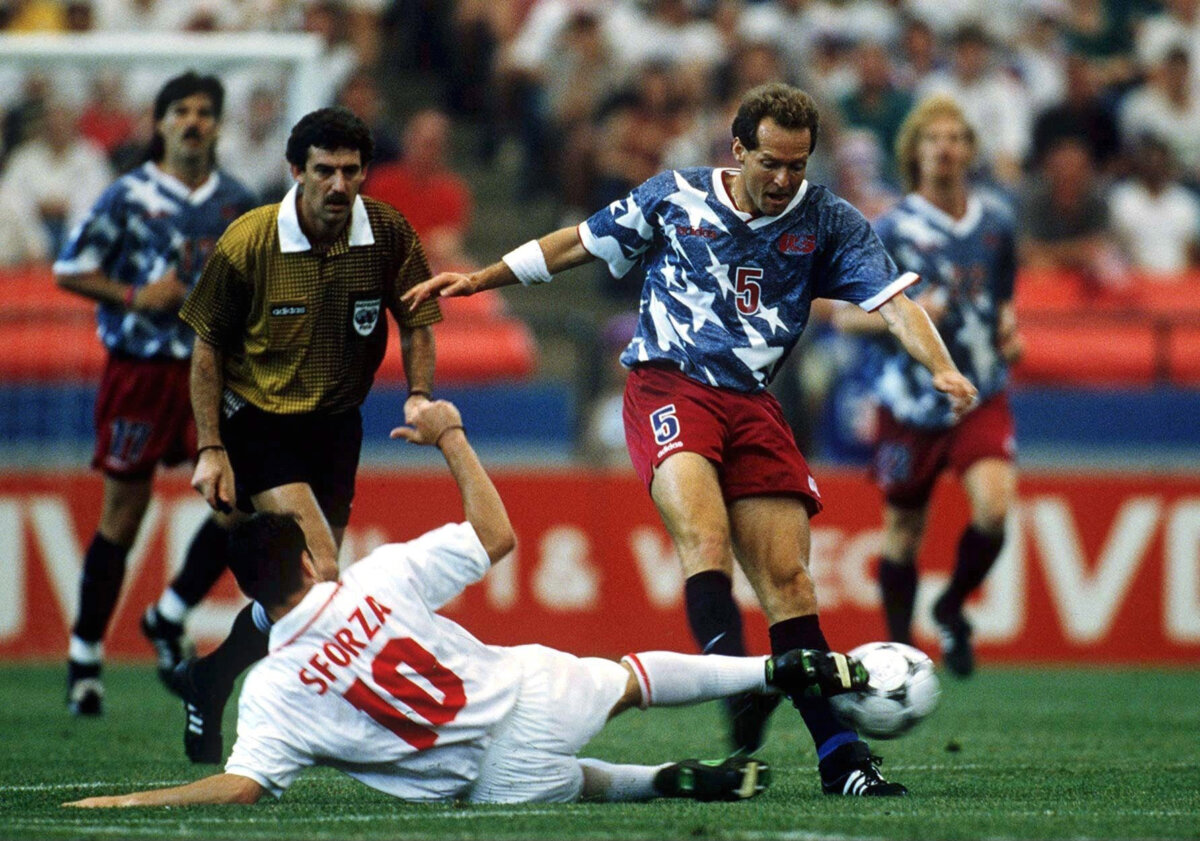
Its success has been measured since 1994, when the World Cup was last held at the Rose Bowl stadium in Pasadena, California. More than 32 million soccer fans tuned in from 188 broadcast countries for the 1994 tournament, and the July match between the United States and Brazil drew roughly 11 million viewers to ABC TV’s broadcast.
According to The Sporting News in June 2024, the 1994 World Cup tournament generated a $50 million surplus.
Just as the case with Major League Baseball’s being “all in” with supporting the World Baseball Classic held every four years, baby steps have graduated to giant leaps in popularity for the World Cup in the United States. In competition with professional baseball, football, basketball, and hockey, developing the best athletes for soccer continues at a slower pace than some may want. The top four sports are what attract athletes to universities on all levels.
Although the Americans are expected to be competitive in this World Cup, by no means are they expected to be among the more dominant teams.
“Zero chance” of winning is what former England soccer star Gary Lineker gives the U.S. Men’s National Team in this World Cup competition.
“Football [soccer] is growing there but it is still a minority sport—you’ve got to be honest about that,” Lineker said in The Athletic on Wednesday. “And their youth system is awful, hopeless. They need to start producing talent. I think it will change in time.
“At the minute, it’s a very middle-class sport played up until a certain age in schools and then it peters out. That’s because football doesn’t really work with the American way of doing sport, where you go to university and you get drafted and so on. But, in football, if you’re not cracking it by 16, 17, 18, it’s almost too late.”
International competition remains a work in progress. The success of the recent WBC tournament offers hope that a multinational approach to sports competition is catching on in the United States. A crowd of 36,190 filled Miami’s LoanDepot Park for the tournament’s championship game pitting Venezuela against the United States. The 3–2 victory by Venezuela caused a passion for baseball and national pride among Venezuelans in attendance for MLB and its partners to take great pride in.
-

It was Eugenio Suarez’s RBI double at the top of the 9th inning that brought home the go-ahead run for Venezuela. MLB.com reported on Suarez’s happiness in claiming the gold for his country on March 18, the day after the tournament finale.
“We are family here,” Suarez said during the on-field celebration on the FOX broadcast. “That’s why we play with passion, with love. Because we feel that jersey, we feel our country in front of us. That’s why this is a lot for us as players, as people, as human beings and as Venezuelans. Now, we are the champions.”
The international baseball competition resonated for the WBC to the tune of 7.3 million viewers for the United States–Dominican Republic semifinal game on March 15 that aired on FOX Sports 1. The previous week, five million fans tuned in to see Mexico play the United States. With Japan, Puerto Rico, and the United States hosting the WBC, and 20 teams participating, it was as important to the game as what the Olympics mean to many different sports at once.
For the 2022 World Cup final in Qatar, Argentina defeated France 4–2 on penalties after a dramatic 3–3 draw, with the match drawing an average live in-home broadcast audience of 571 million viewers.
Now, soccer’s best are coming to American soil to plant their flag of sporting importance. And bringing their grandest “jewel event” to impress, the sport can only experience a measurable spike in popularity and relevance among the big four in North America.
The first World Cup Group C match at New York/New Jersey is set for June 13 between Brazil and Morocco. The stadium is hosting eight matches during the tournament, including the championship final. In total, there are 104 games planned in the 48-team tournament.
 Friends Read Free
Copy
Facebook
Tweet
Friends Read Free
Copy
Facebook
Tweet