In Ohio’s race for governor, the leading Republican and the unopposed Democrat are focusing on citizens’ affordability concerns—and on the presumed Nov. 3 showdown between the two of them.
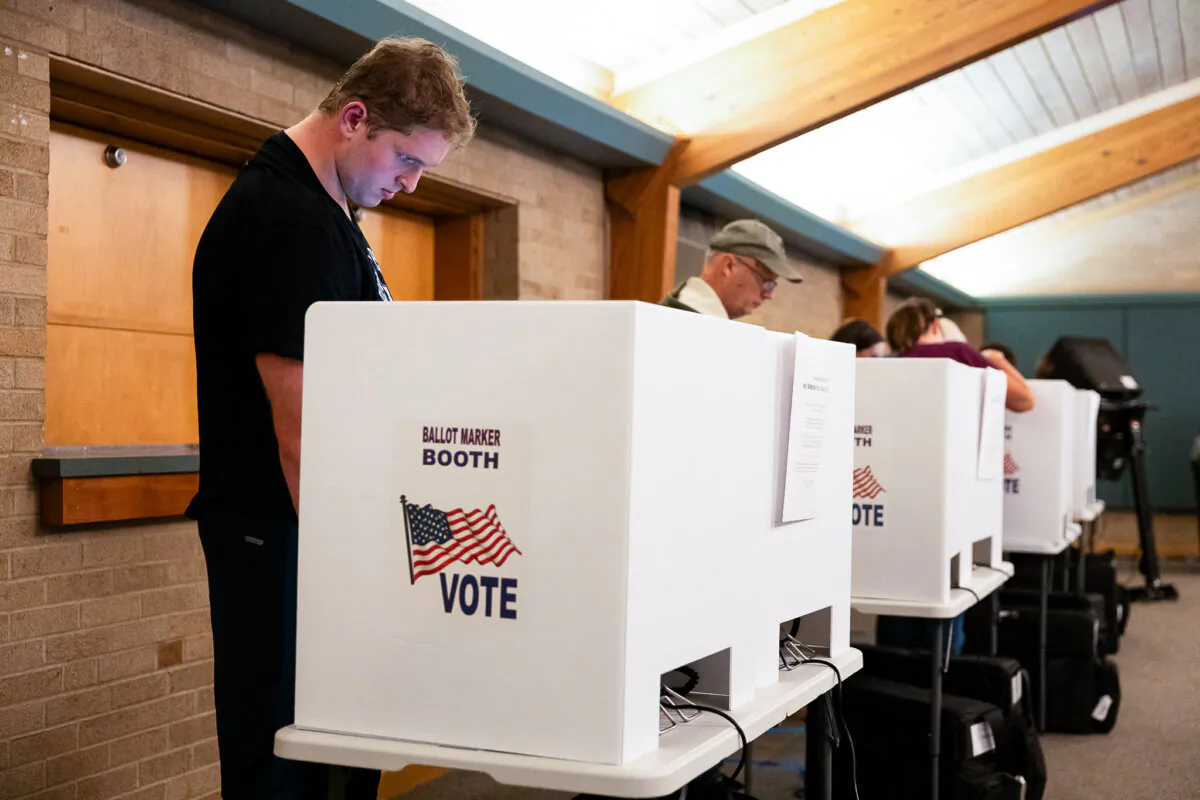
But as the May 5 primary election approaches, a Republican challenger says not to count him out yet—despite a statewide poll and financial reports showing that he lags far behind the GOP front-runner.
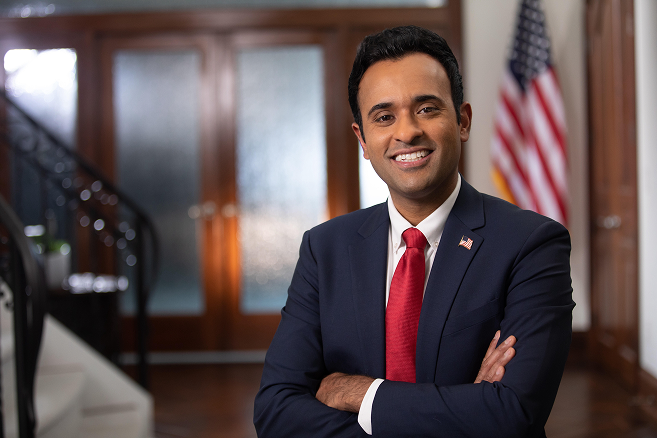
Automotive entrepreneur Casey Putsch, a political newcomer from the Toledo area, opposes 2024 presidential candidate and biotech businessman Vivek Ramaswamy, a native Cincinnatian, on the Republican ballot.
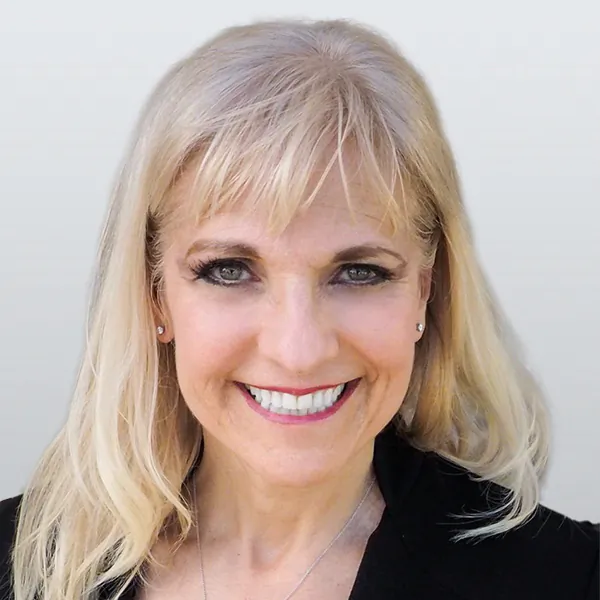
Ex-Ohio health director Dr. Amy Acton, who grew up in Youngstown, faces no opponent for the Democratic nomination.
Among that trio of Ohio natives, none has held elected office before.
Both Acton and Ramaswamy reside in a suburb of the state capital, Columbus—near the Governor’s Mansion where each of them aspires to live.
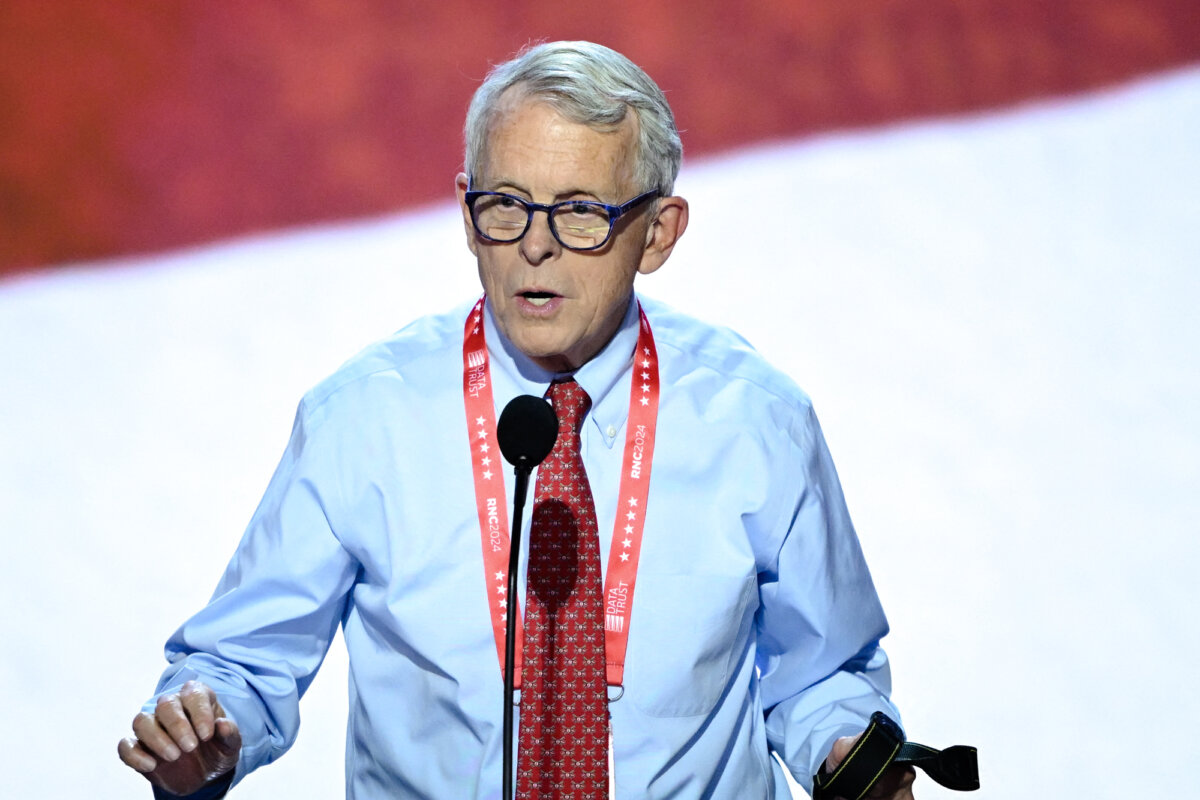
Current Gov. Mike DeWine, a term-limited Republican who formerly employed Acton in his Cabinet, endorsed Ramaswamy.
However, DeWine has praised Acton for her guidance during the COVID-19 pandemic in 2020.
Acton’s personal website asserts that she “helped save countless lives” in that role.
However, Ramaswamy is among many who criticized Acton for advocating aggressive COVID-19 pandemic restrictions, including weeks-long lockdowns for citizens and businesses.
Just before running for governor, Ramaswamy was involved in cost-cutting work for President Donald Trump’s Department of Government Efficiency.
Trump has endorsed Ramaswamy.
A fourth Ohio gubernatorial hopeful, Republican Heather Hill, was disqualified from the race in late April because her running mate, Stuart Moats, withdrew amid a dispute between the two of them.
The Ohio secretary of state’s office declared that, by state law, a deadline had passed for Hill to name a replacement lieutenant governor candidate.
Therefore, votes cast for the Hill/Moats ticket will remain uncounted.
A Shift in ‘Reliably Red’ Ohio?
Earlier in April, a poll by Bowling Green State University showed Ramaswamy with 76 percent support in the Republican primary. Putsch and Hill each drew 12 percent among 1,000 Ohio registered voters surveyed.
Putsch, in an email to The Epoch Times, called Hill’s disqualification “a significant development” in the race, solidifying him as “the sole credible opposition to Vivek.”
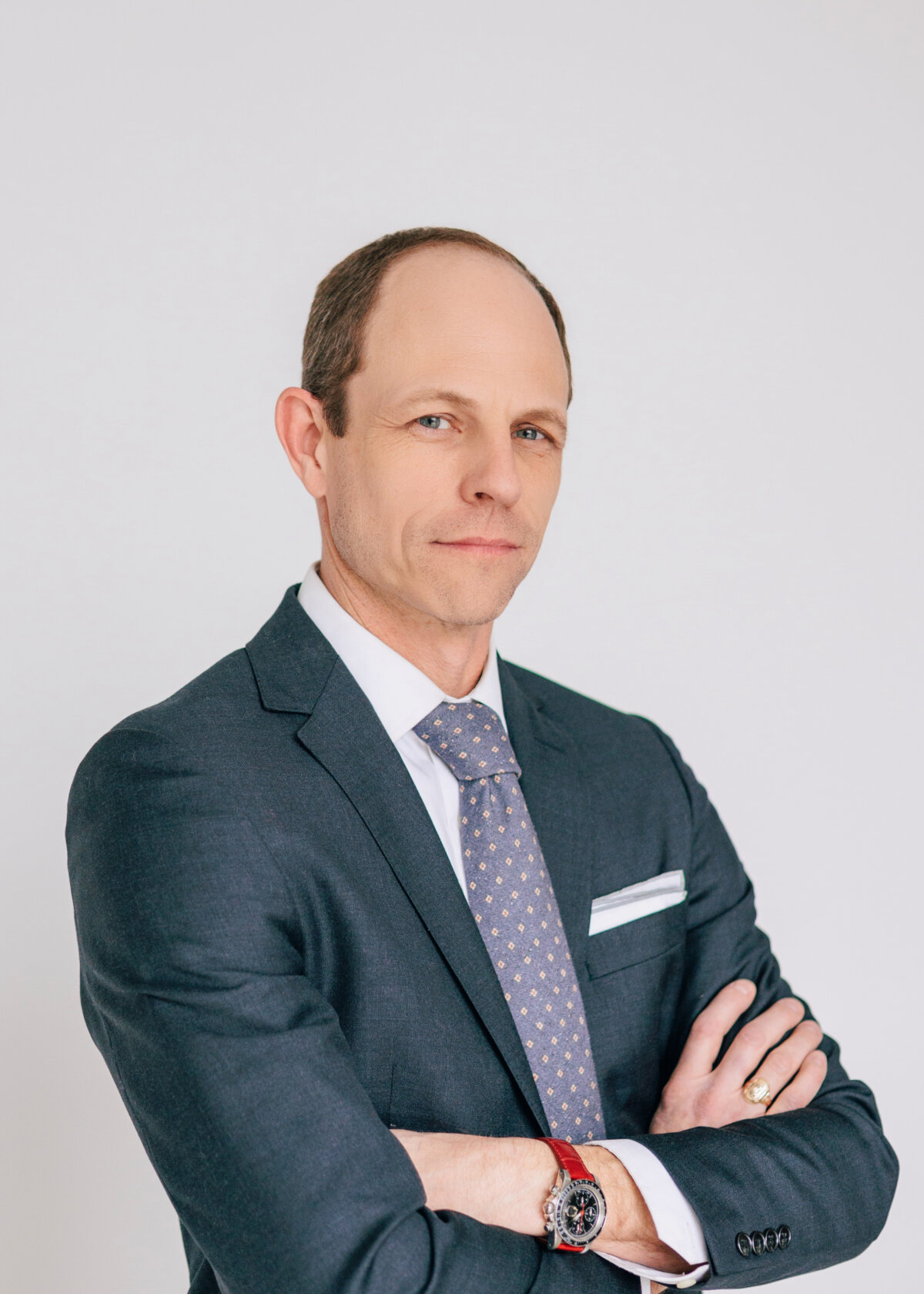
He describes himself as “the only candidate committed to stopping the unchecked expansion of data centers, protecting Ohio jobs, and restoring Christian, American values in government.”
Ramaswamy’s campaign spokesman, Evan Machan, wrote in an email to The Epoch Times that “Vivek is focused on defeating liberal Amy Acton in November and delivering real change for Ohioans.”
The Bowling Green poll showed that, if Acton and Ramaswamy had faced off against each other at the time of the survey, they would have been in a statistical tie; only 1 percentage point separated them in the poll whose margin of error is about 4 percent.
The survey also showed that 23 percent of Putsch’s supporters would consider him as a write-in candidate if the predicted Acton-Ramaswamy faceoff materializes.
Those findings followed the Cook Political Report’s decision to shift the Ohio governor’s race to “lean” Republican, rather than “likely” Republican.
Citing polling and other factors, Putsch said he believes that Ramaswamy “is on track to lose despite Ohio being a reliably red state.”
However, Machan argues that Ramaswamy is campaigning on a simple scoreboard with broad appeal: “Lower costs, bigger paychecks, and better schools.”
“He believes every decision in state government should be measured by whether it improves those outcomes for Ohio families,” Machan said.
Affordability Approaches Differ
As a businessman, Ramaswamy has created jobs “and operated in the real economy,” Machan said.
“He knows what it takes to expand opportunity because he has done it,” he said.
Ramaswamy’s business ventures and investments turned him into a billionaire.
Both Acton and Putsch have criticized that status, characterizing themselves as being more in touch with everyday people who are struggling financially.
Putsch, in a statement to The Epoch Times, said, “Ohio is being sold out to foreign interests and Silicon Valley elites, and Vivek is the establishment’s rubber stamp for this.”
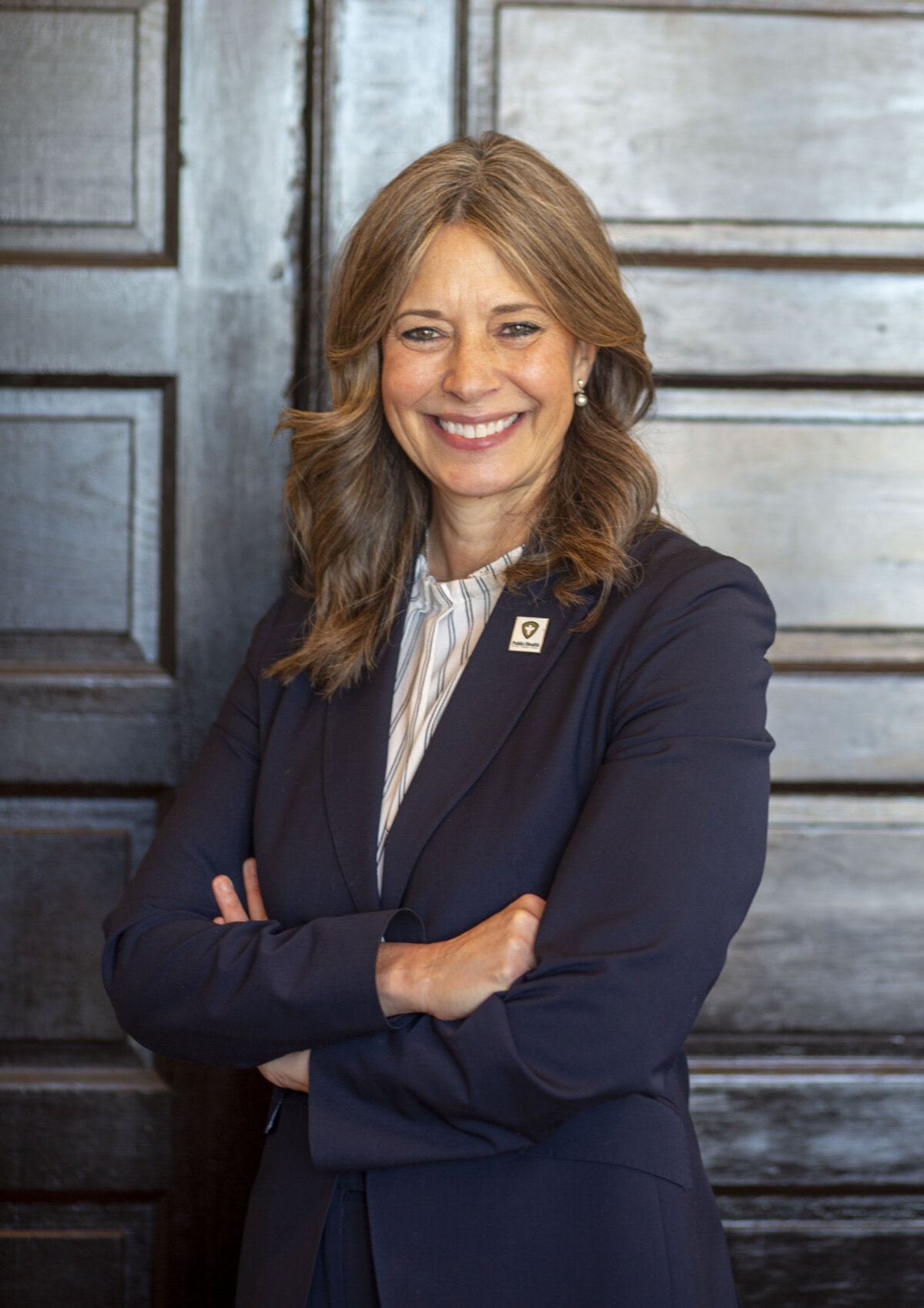
Acton’s website states: “I’m running for Governor because I refuse to look away from Ohioans who are struggling while billionaires and special interests continue to take our state in the wrong direction.”
Machan countered that Ramaswamy welcomes “open dialogue” with all Ohioans and that his business acumen better qualifies him to spur Ohio’s economic growth, “unlike … unelected bureaucrats like Amy Acton.”
Among Ramaswamy’s core proposals: reducing and eliminating the state income tax.
It is part of his plan for transforming Ohio into “the most affordable state in America, where families get ahead, not fall behind.”
He also pledges to implement “the largest property tax rollback in Ohio history,” his website states.
Putsch favors “ending property taxes,” but his online platform does not specify an income tax strategy.
However, he does say that he would impose “impact fees on data centers and other high-consumption, for-profit industries.”
Acton’s “affordability agenda” calls for tax credits and tax cuts, rather than phasing out or ending taxes, her campaign website states.
Drawing on her background as a doctor, Acton also outlined proposals for lowering health care costs, helping people stay on Medicaid, and forgiving medical debt.
Ramaswamy’s campaign alleges that those ideas, coupled with others from Acton, could create billions of dollars in new state spending—and a huge increase in state income tax to cover those expenses.
Acton’s campaign counters that Ramaswamy’s tax elimination plans would “gut schools, healthcare and public safety,” a statement reads, and would likely need to be replaced with a large sales tax.
Campaign Costs Tallied
Pre-primary financial reports show that Acton and Ramaswamy have each spent millions of dollars on their campaigns already, while Putsch has not yet spent $100,000.
Ramaswamy had nearly $31 million on hand—including $25 million from his own pocket—after spending about $12.6 million.
Cash available for Acton totaled about $5 million after spending $3.3 million.
Putsch’s report showed that he had less than $9,000 on hand after spending about $94,000.
When asked about strategies for combating Ramaswamy’s financial and name-recognition advantages, Putsch replied that his messaging draws “a clear contrast” between his campaign and Ramaswamy’s, “powered by a strong grassroots network that amplifies that message statewide.”
“When facing establishment-backed candidates, success comes from focusing on the right issues and communicating them creatively and relentlessly,” he wrote.
 Friends Read Free
Copy
Facebook
Tweet
Friends Read Free
Copy
Facebook
Tweet