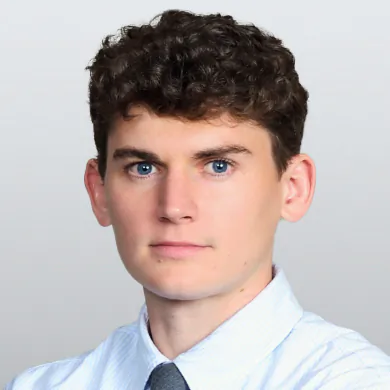
After working for U.S. forces in Afghanistan for about two years, Sammy Nemat’s luck had nearly run out.
As an interpreter, Nemat’s task was to help U.S. troops navigate a battlespace where their insurgent enemies blended in with the civilian population. In that time, he faced the same threats of ambushes and roadside bombs as some of America’s most highly trained warfighters.
For Nemat, and Afghans like him, the consequences of working with U.S. forces often fell on their family members.
“If you’re fighting against the Taliban, of course death awaits you—and not only you, but your family members,” Nemat said in a recent interview with The Epoch Times.
In 2009, members of the Taliban went to the home of Nemat’s parents and beat his father. To protect Nemat, his parents lied and told the Taliban their son was already dead.
As the risk to his family rose, Nemat left Afghanistan. He eventually immigrated to the United States and became a U.S. citizen in 2021.
After an Afghan national was arrested and charged for the Nov. 26 shooting of two National Guard members patrolling a short distance from the White House, the U.S. government began imposing new restrictions on individuals immigrating from Afghanistan.
On Dec. 2, the Department of Homeland Security announced it would halt and review all pending asylum applications from Afghanistan and 18 other countries of concern.
Now, Afghans living in the United States contend with heightened scrutiny and questions of whether they truly belong.
Allies Welcome
Among the U.S. troops who worked with Nemat in Afghanistan was Corey Terry, an Army Special Forces veteran. As Terry and Nemat spoke with The Epoch Times, they repeatedly referred to each other as a brother.
“When we were going on mission, and there was enemy, he would be at the front of our formation, so he would be the one taking the first rounds,” Terry said. “I have a lot of respect for Sammy.”
Terry attested to the added threat Nemat’s family faced due to his work with U.S. forces.
“There was a constant threat and hunt of Afghans that were contracting with, and working for, the United States military,” the Special Forces veteran said.
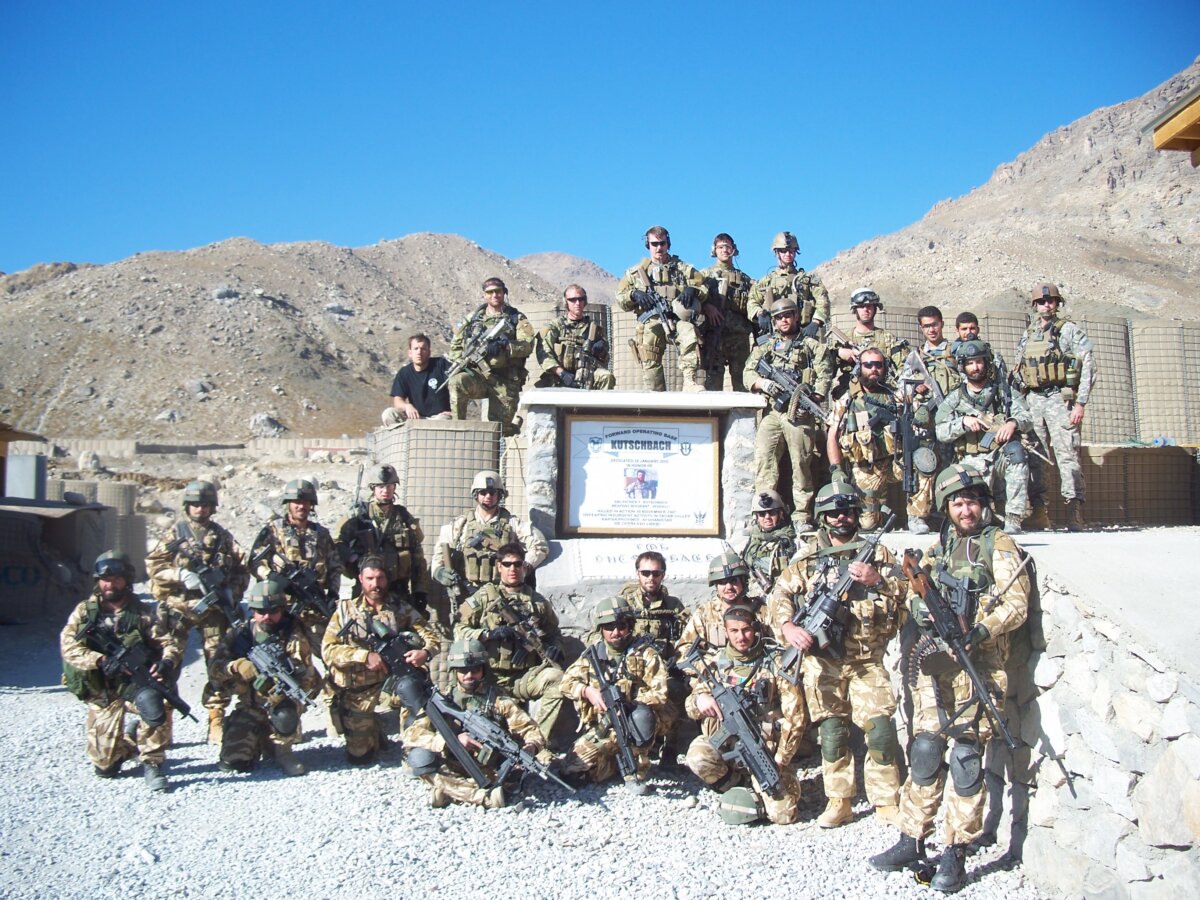
In recognition of the risks their partners faced, Congress began taking steps in 2006 to help resettle Afghans and Iraqis who assisted U.S. forces through the conflict in those two countries.
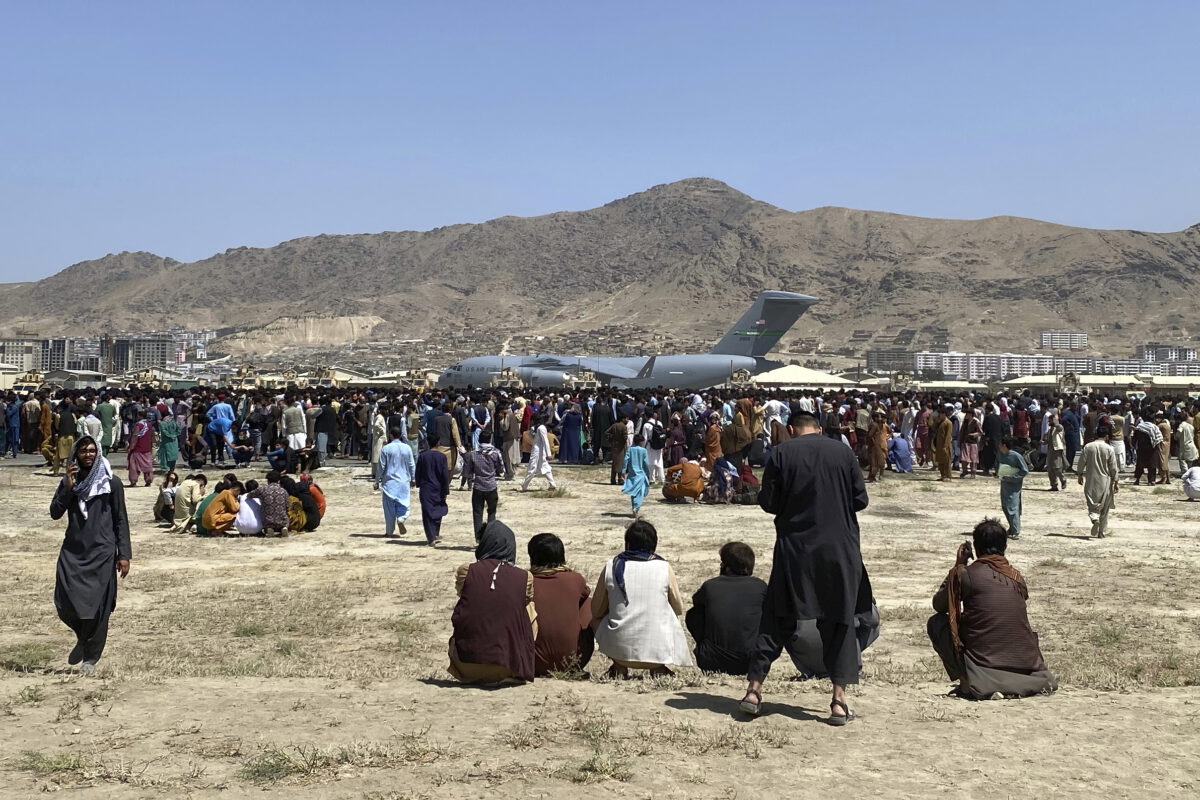
In the summer of 2021, as the U.S. government closed down its military presence in Afghanistan, efforts to evacuate Afghan allies expanded. The sudden collapse of the U.S.-backed Afghan government and the Taliban takeover of the capital city of Kabul injected new urgency into the evacuation efforts.
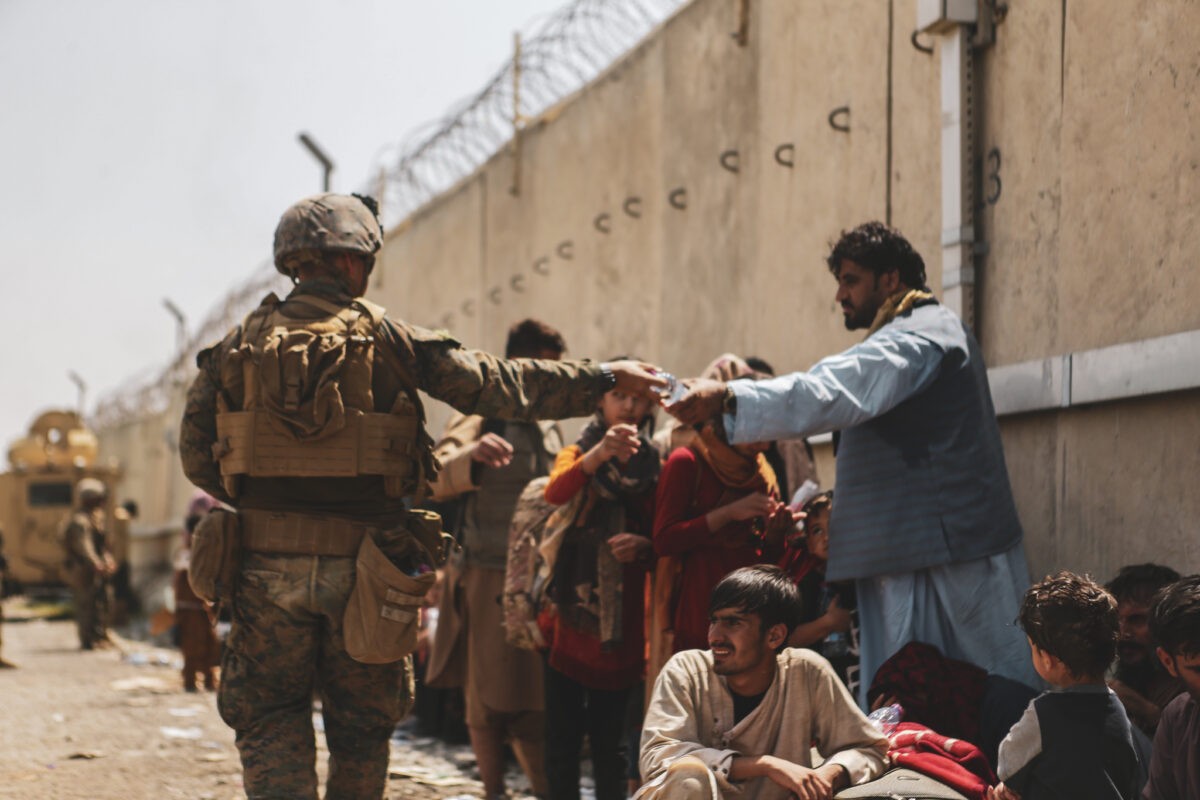
From the surrounded Kabul airport, U.S. forces helped tens of thousands of people leave Afghanistan. On Aug. 26, 2021, amid the harried evacuation mission, a suicide bomber slipped into the crowd of evacuees thronging the airport’s Abbey Gate entrance, and set off a blast that killed 13 U.S. troops and killed and wounded hundreds more civilians.
By Aug. 30, 2021, the U.S. military had ended its airlift, and the last U.S. troops boarded their flight out of Kabul, concluding the U.S. military mission in Afghanistan just weeks shy of the 20-year mark.
The Kabul evacuation formed the main effort of Operation Allies Welcome. A subsequent effort, known as Operation Enduring Welcome, continued to relocate people from Afghanistan to the United States in the years since the Taliban takeover of the country. More than 190,000 people have been resettled in the United States under the two operations, according to U.S. State Department data.
One such Afghan national who relocated to the United States during this Kabul airlift was Rahmanullah Lakanwal, the suspect charged in the shooting of the two National Guard members on Nov. 26.
Spc. Sarah Beckstrom was killed, and Staff Sgt. Andrew Wolfe was seriously injured in the shooting last month.
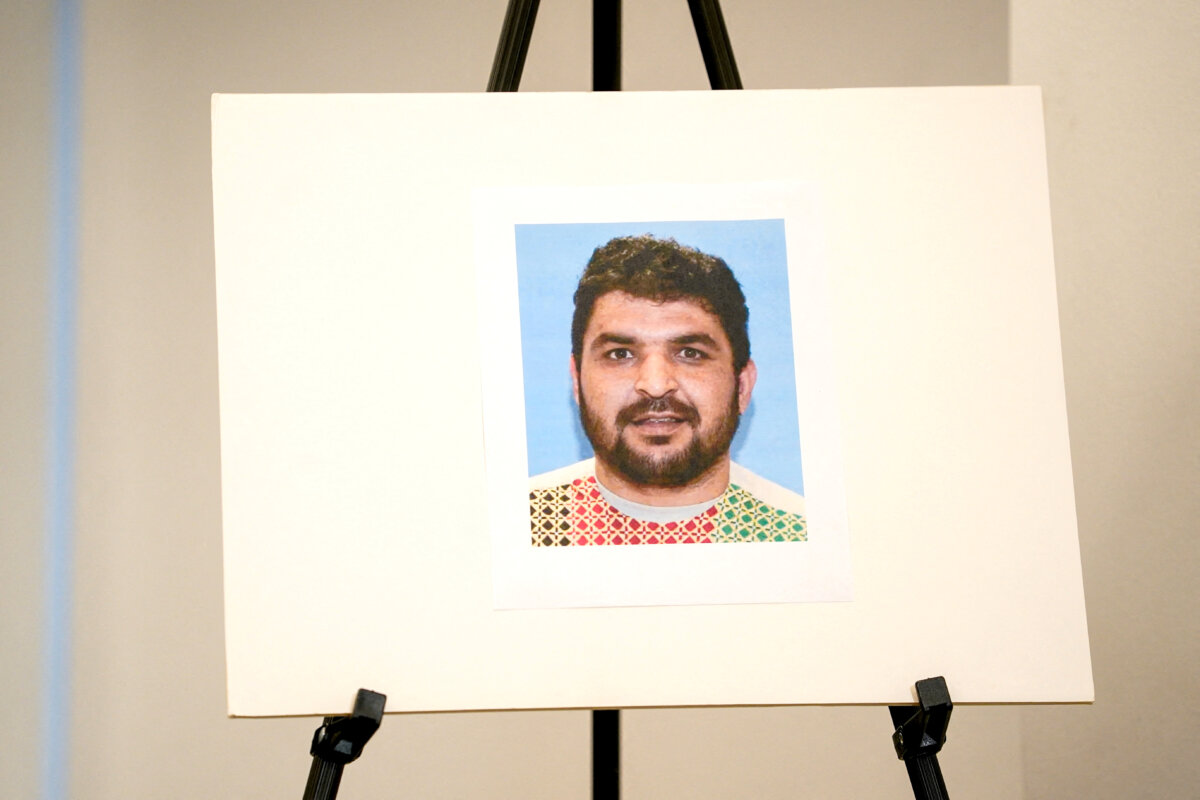
Lakanwal faces one count of first-degree murder, three counts of assault with the intent to kill while armed, and a count for criminal possession of a weapon. He pleaded not guilty at his initial hearing on Dec. 2.
In the hours after the shooting, the Department of Homeland Security referred to Lakanwal as a “terrorist” and “one of thousands of unvetted Afghan nationals let into the country under the Biden Administration’s Operation Allies Welcome program.”
CIA Director John Ratcliffe, in an interview with Fox News the same day as the shooting, likewise said Lakanwal, “should have never been allowed to come here.”
Ratcliffe also revealed Lakanwal had served with U.S.-backed partner forces in Afghanistan. These partner forces, colloquially referred to as the Zero Units, trained and worked with the CIA.
‘We’re Going to Pay for It’
Nemat had already resettled in the United States and gained U.S. citizenship by the time the Kabul airlift began.
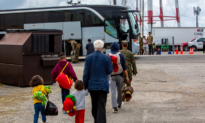
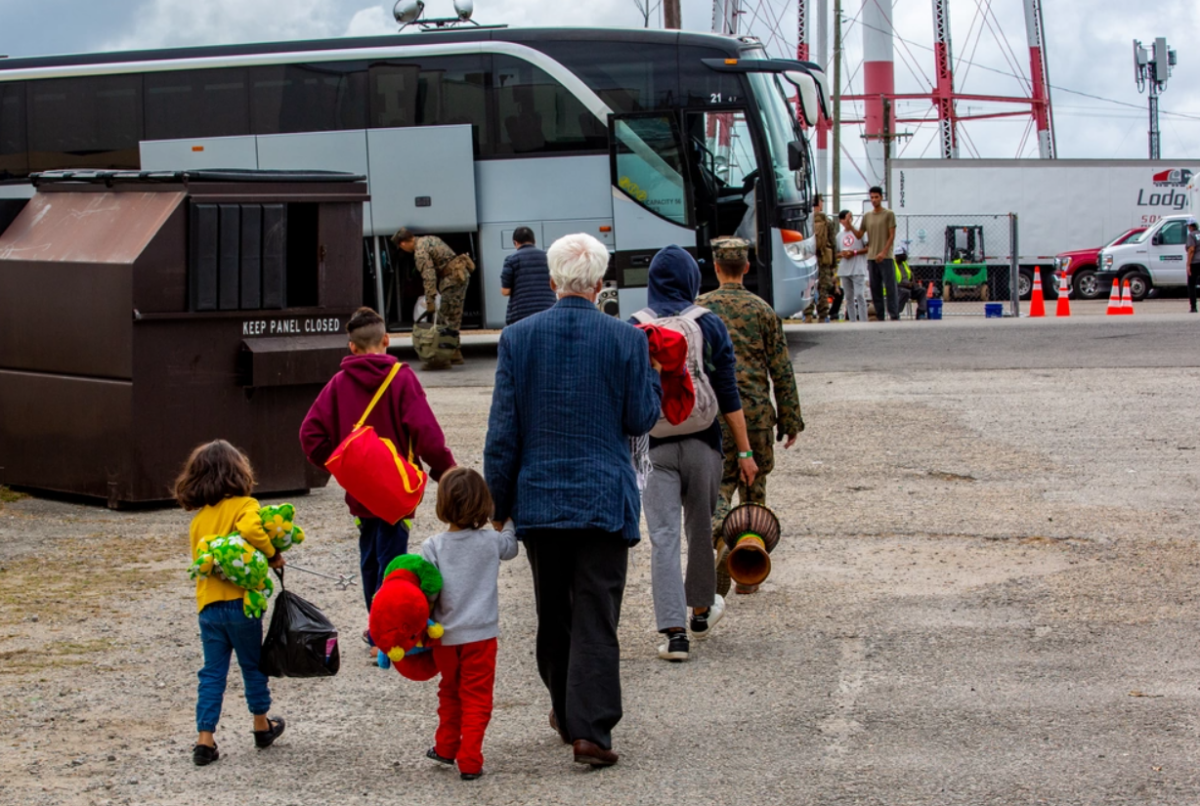
When evacuees from his homeland began arriving in the United States in the summer of 2021, Nemat volunteered to assist his adoptive country again as an interpreter, helping screen the new arrivals at a temporary intake site established at Holt Logistics Corp.’s Pier 5 terminal in Camden, New Jersey. There, Nemat reconnected with Terry, who had also volunteered in the effort.
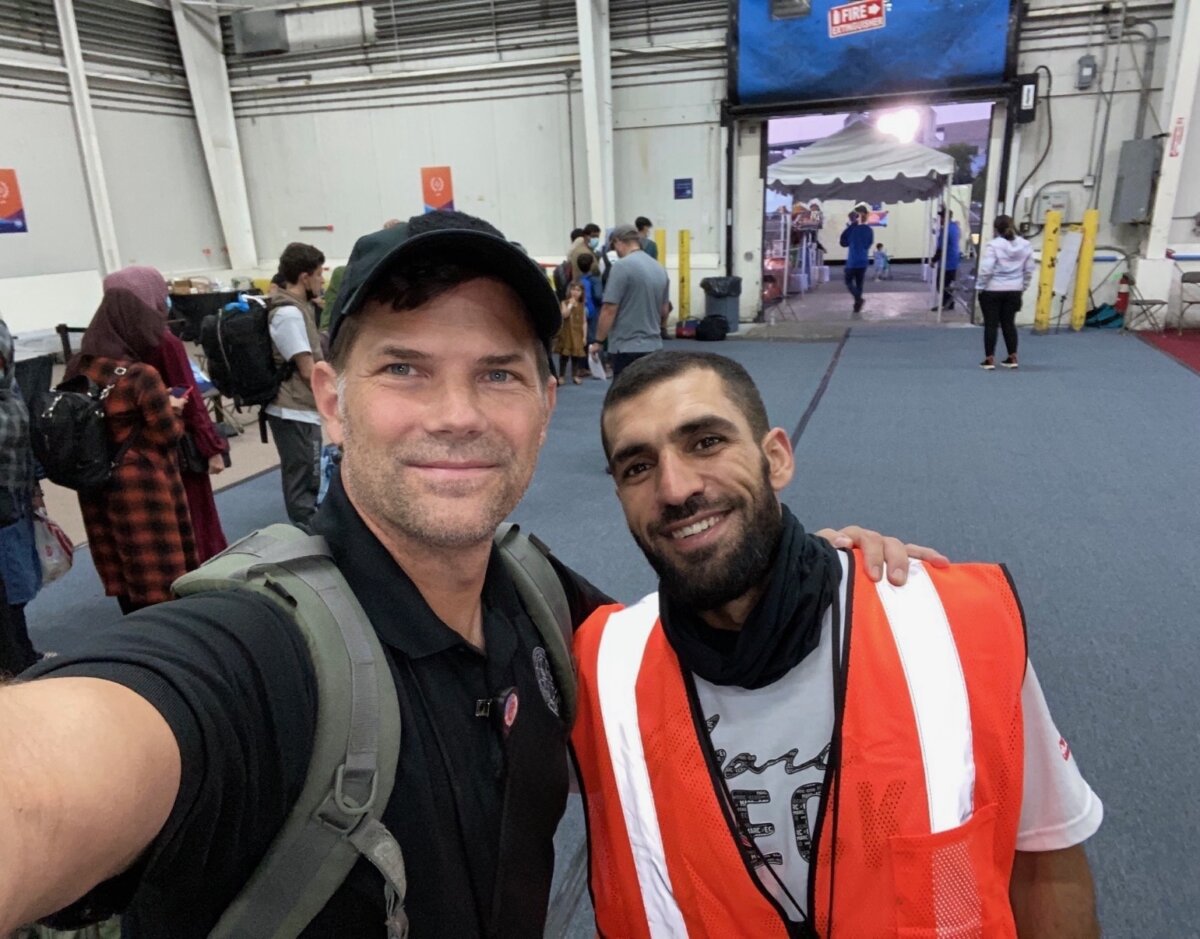
As they assisted in Operation Allies Welcome, Nemat and Terry began to raise concerns about the people arriving in the United States.
For Nemat, there was the added fear that Afghans who escaped thorough scrutiny and later committed crimes would reflect negatively on the whole community, including Afghans like Nemat’s parents, who are still actively seeking a chance to relocate to the United States after fleeing their homeland.
“It’s going to bite us back, and it’s going to bite the United States, and we’re going to pay for it,” Nemat said.
On Dec. 2, as the Department of Homeland Security announced its decision to halt and review all pending asylum applications from Afghanistan, the department noted an Afghan national named Nasir Ahmad Tawhedi was charged and later pleaded guilty in a 2024 Election Day bomb plot.
On Dec. 3, the Department of Homeland Security announced the arrest of two other Afghan nationals on terrorism-related charges. Federal authorities arrested one Afghan national, identified as Jaan Shah Safi, in Virginia after he allegedly provided support to the Islamic State of Iraq and Syria-Khorasan (ISIS-K), a foreign terrorist organization. The other Afghan national, identified as Mohammad Dawood Alokozay, was arrested after allegedly posting a TikTok video indicating he planned to set off a bomb in the Fort Worth area of Texas.
The Department of Homeland Security said both Safi and Alokozay relocated to the United States under Operation Allies Welcome.
Vetting, Integration, and Radicalization
While members of the Trump administration have repeatedly faulted the vetting process during Operation Allies Welcome for the Nov. 26 shooting, one official who helped with the screening during the Biden-era effort pushed back on the criticisms in an interview with The Epoch Times.
Haris Tarin, who worked with the Department of Homeland Security during Operation Allies Welcome, pointed to Lakanwal’s CIA ties as evidence that poor screening standards during the evacuation effort aren’t solely to blame for Afghans who go on to commit crimes in the United States.
“The amount of screening, security screening that [Lakanwal] would’ve gone through would have been actually immense,” said Tarin, who now works as a vice president of policy and programming for the Muslim Public Affairs Council Foundation.
The Epoch Times reached out to the Department of Homeland Security with specific questions about what screening Lakanwal would have undergone between his time working in partnership with the CIA and when he relocated to the United States. In response, department spokeswoman Tricia McLaughlin said “the Biden administration admitted more than 190,000 Afghan nationals with a vetting process that was demonstrably inadequate.”
“No overseas criminal background checks were performed, social media accounts were not screened, and there was no systematic cross-referencing of information. In many cases, entry was granted on the basis of a single recommendation,” McLaughlin added.
Citing anonymous sources, The Associated Press and Rolling Stone have both reported that Lakanwal had struggled with a sense of isolation and abandonment by the CIA, and other mental health issues prior to the Nov. 26 shooting.
Noting the recent public reporting, Tarin said it does not appear Lakanwal was radicalized by any specific terrorist group or ideology, but rather that he struggled to adjust to his new environment in the years since he relocated to the United States.
“This individual does not represent someone who had security failures. It is rather an individual who had mental health challenges and integration challenges,” Tarin said. “And our system, unfortunately, our system does not work to even reintegrate our own veterans, let alone veterans of a foreign country, a foreign national.”
When a reporter asked, on Nov. 27, about Lakanwal’s vetting history and his CIA ties, President Donald Trump said, “He went cuckoo. He went nuts. And that happens, too. It happens.”
Trump then held up a photo of evacuees crowded onto a plane leaving Afghanistan during the fall of Kabul in 2021.
“Look, this is how they come in. … They’re standing on top of each other in a—that’s an airplane. There was no vetting or anything. They came in unvetted,” Trump said at the time.
In a Nov. 30 interview, Homeland Security Secretary Kristi Noem raised the possibility that Lakanwal was radicalized after resettling in the United States and through contacts within his home community.
The Epoch Times reached out to lawyers representing Lakanwal, but did not receive a response by publication time.
Calls for Discernment
Amid the fallout from the attack on the National Guard troops in Washington, Afghans and those who worked closely with them are hoping the U.S. government will exercise discernment.
“We need to help those that helped us and stand by them like brothers and sisters,” Terry said. “At the same time, do proper vetting, background checks of everybody that came here, and eject those that don’t deserve to be here or are security risks, and then double down on our help of our allies that really deserve it.”
Another Afghan who worked with Terry identified himself to The Epoch Times by his first name Ahmadullah, citing concerns for his safety and the safety of family members still living in Taliban-controlled Afghanistan.
Ahmadullah was one of many Afghans who were unable to flee the country before the U.S. airlift out of Kabul had ended. Instead, Terry recalled providing some funding and guidance to Ahmadullah as the former interpreter and his family navigated through Taliban-controlled areas of Afghanistan to reach an airstrip in the northern city of Mazar-i-Sharif and leave the country.
Ahmadullah and his wife and daughters were able to relocate to the United States.
In March of this year, Ahmadullah survived a stabbing attack in Lancaster, Pennsylvania. He said the suspect in the attack was speaking Pashto, a common language in Afghanistan and Pakistan. Ahmadullah said his attacker referred to him as an “American spy.”
Having just received lawful permanent resident status in the United States, Ahmadullah expressed fears about what fate would await him and his family if they were ever to be sent back to Afghanistan.
As the Trump administration responds to the Nov. 26 shooting and other similar incidents involving Afghan nationals, Ahmadullah expressed hope that it will treat those suspects as individuals rather than “blaming all Afghans.”
In a comment to The Epoch Times on Dec. 15, Sen. Mike Rounds (R-S.D.) said, “I don’t see anything wrong with inviting them to come in rather than subject them to possible execution by the Taliban, but they have to be properly vetted.”
Rounds has previously supported legislation to establish a clear pathway to lawful permanent resident status for Afghans who supported the U.S. government’s efforts in Afghanistan over the years.
In her emailed statement to The Epoch Times, McLaughlin said that, under the Trump administration, the Department of Homeland Security has “instituted rigorous, multi-layered screening: mandatory biometric enrollment, comprehensive social-media vetting, expanded recurrent background checks, and a requirement for annual in-person reporting.”
“The safety of Americans must come first,” she added.
Nathan Worcester contributed to this report.
 Friends Read Free
Copy
Facebook
Tweet
Friends Read Free
Copy
Facebook
Tweet