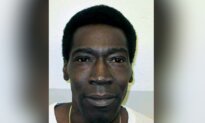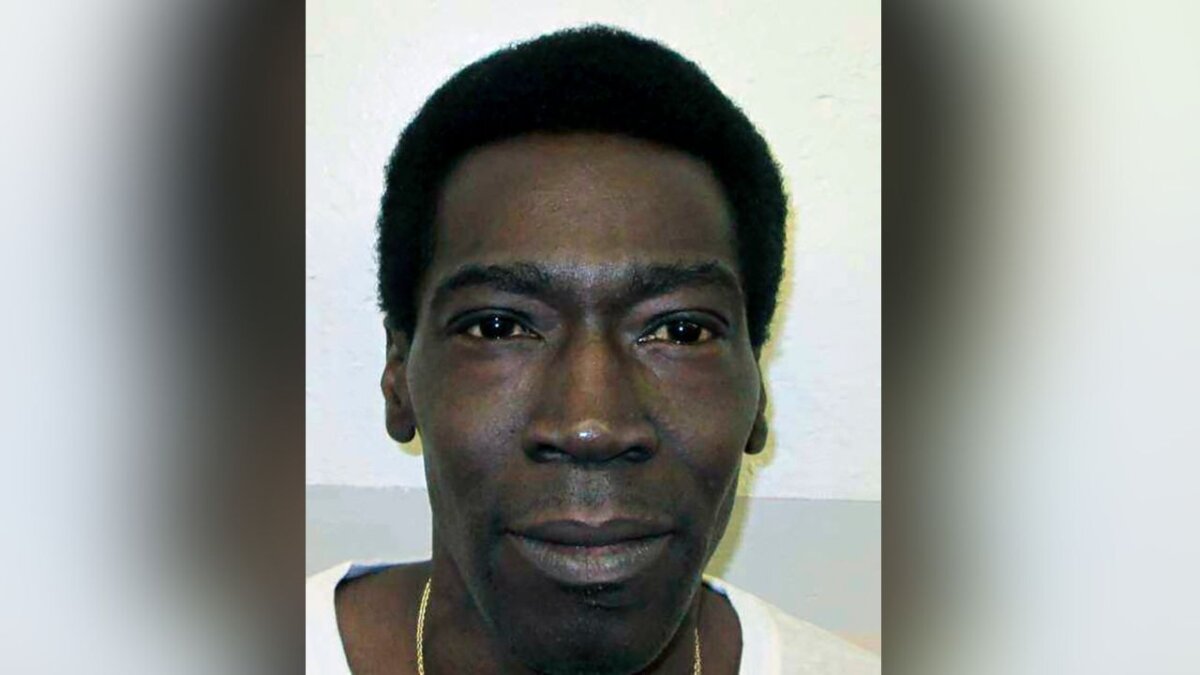

ATMORE, Ala.—An Alabama man convicted of helping to burn a man alive in 1993 over a $200 drug debt was executed by nitrogen gas on Thursday.
Anthony Boyd, 54, was pronounced dead at 6:33 p.m. at William C. Holman Correctional Facility, authorities said. The execution was carried out by nitrogen gas, a method Alabama began using last year. Boyd was sentenced to death for his role in killing Gregory Huguley in Talladega County. Prosecutors said Huguley was set on fire after he didn’t pay for $200 worth of cocaine.
Boyd used his final words to proclaim his innocence and criticize the criminal justice system.
“I didn’t kill anybody. I didn’t participate in killing anybody,” he said.
“There can be no justice until we change this system,” he continued. He said he wanted to express love to those who are still fighting, before closing with, “Let’s get it.”
The execution appeared to take longer than prior nitrogen gas executions. The state does not reveal the exact time the gas began flowing.
At about 5:57 p.m. Boyd clenched his fist, raised his head off the gurney slightly and began shaking. He then raised his legs off the gurney several inches. At about 6:01 p.m. he began a long series of heaving breaths that lasted at least 15 minutes, before becoming still. The curtain closed to the execution chamber at 6:27 p.m. The prison commissioner said the gas is kept flowing for five minutes after monitoring shows the inmate no longer has a heartbeat.
A prosecution witness at Boyd’s trial testified as part of a plea agreement and said that Boyd taped Huguley’s feet together before another man doused him in gasoline and set him on fire. Defense lawyers said he was at a party on the night Huguley was killed and the plea deal testimony was unreliable.
A jury convicted Boyd of capital murder during a kidnapping and recommended by a vote of 10–2 that he receive a death sentence.
Alabama Attorney General Steve Marshall said in a statement that the state “remains steadfast in its commitment to uphold the law and deliver justice for victims and their families.”
“For more than 30 years, Boyd sought to delay justice through endless litigation, yet he never once presented evidence that the jury was wrong,” Marshall said.
Boyd had been on Alabama’s death row since 1995. He was the latest chair of Project Hope to Abolish the Death Penalty, an anti-death penalty group founded by men on death row.
Alabama began using nitrogen gas last year to carry out some executions. The method uses a gas mask strapped over the inmate’s face to replace breathable air with pure nitrogen gas, causing the person to die from lack of oxygen.
Nationally, the method has now been used in eight executions: seven times in Alabama and once in Louisiana.
Boyd’s lawyers had asked a federal judge to halt the execution to give the method more scrutiny. A federal judge declined the request. She ruled Boyd was unlikely to prevail on claims that the method is unconstitutionally cruel.
The U.S. Supreme Court on Thursday afternoon also denied Boyd’s request to stay the execution and to instead let him die by firing squad.
Alabama has maintained that any shaking or gasping exhibited by inmates during nitrogen gas executions are largely involuntary actions caused by oxygen deprivation.
 Friends Read Free
Copy
Facebook
Tweet
Friends Read Free
Copy
Facebook
Tweet