Bipartisan lawmakers have stepped into a dispute between the nation’s largest hospital systems and its biggest pharmaceutical company over divvying up revenue from prescription drug sales.
Seventy-two members of Congress signed a June 29 letter urging the Department of Health and Human Services to reinstate huge discounts on prescription drugs currently being withheld from certain hospitals by Eli Lilly.
At stake are billions of dollars in product discounts, which drug manufacturers are obligated to offer under certain conditions.
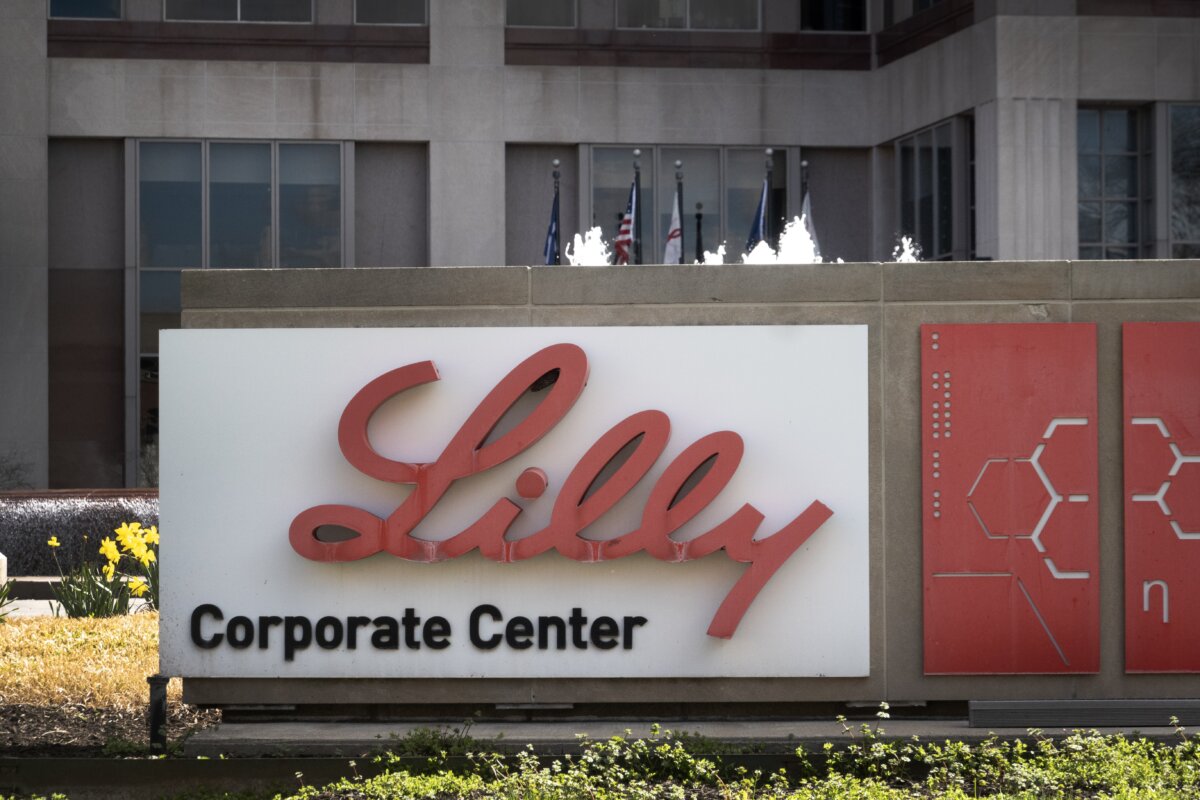
Eli Lilly suspended the discounts to certain hospitals on June 8, saying it can’t be sure if they meet the criteria.
Here’s the latest.
Discounts on Top of Rebates
The 340B Drug Pricing Program—named for a section of federal law—was created to provide a boost to struggling rural hospitals, community clinics, and other financially strapped providers.
These providers are entitled to buy prescription drugs at a discount and sell them at retail prices. The extra money is supposed to help them provide care to low-income people.
Also, states can claim a rebate on some drugs dispensed to Medicaid patients, thanks to the Medicaid Drug Rebate Program. That program ensures that states get the lowest available price on any drug sold to a Medicaid beneficiary. If Medicaid paid more than that for a prescription, the company has to rebate money to the state.
But manufacturers don’t have to offer both a discount and a rebate.
If a Medicaid beneficiary receives a drug through a pharmacy owned by a hospital or health system, the manufacturer could owe a rebate to the state Medicaid program.
In that case, the hospital or health system would not be allowed to claim the 340B discount on that same prescription.
Preventing these discounts on top of rebates is actually the critical issue facing Medicaid programs, according to the Medicaid and CHIP Payment and Access Commission.
The problem, according to Eli Lilly, is that it can’t be sure it’s not offering discounts and rebates on the same drug sales. To check on that, the company asked to see claims data—with personal identifiers removed.
In effect, Lilly told 340B providers, show us the receipts, or we’re not going to keep giving you the discount. That policy started on June 8.
Novo Nordisk and AstraZeneca instituted similar policies on April 1 and May 1 respectively.
Money on the Line
There’s a lot of money at stake.
In 2024, healthcare providers spent more than $81 billion on drugs through the 340B program, according to federal data. The average discount is about 55 percent of the average wholesale price, according to pharmaceutical data company IQVIA.
Nobody knows for sure how much hospitals profit from the sale of these drugs acquired at a steep discount, but the University of California health system reported that it generated at least $1.3 billion through its 18 covered entities in 2024, according to a report to the Board of Regents Health Services Committee.
About 79 percent of the drug purchases made with the 340B discount in 2024 were made by hospitals.
Hospitals Cry Foul
Most providers have complied with the data-sharing policy, according to Eli Lilly. But the drugmaker said some large hospitals had staged a boycott.
Now 72 members of Congress have sided with the hospitals.
The group, organized by Reps. Doris Matsui (D-Calif.) and Jack Bergman (R-Mich.), wrote to Health Secretary Robert F. Kennedy Jr., urging him to compel Eli Lilly to reinstate the discounts for the noncompliant hospitals.
The group argues that Eli Lilly is imposing requirements that Congress never intended, and that “threatens the financial stability of these providers and undermines access to care for underserved communities.”
Eli Lilly has disputed those claims.
Americans Pay More
This dispute comes at a time of increasing frustration among Americans over the cost of prescription drugs.
More than three-quarters of Americans believe that there should be more government regulation of the cost of medications, according to a March poll by health research group KFF.
About 60 percent of Americans are worried about affording their prescription medications, and four in 10 say they have skipped doses over the past year because of the cost, the same poll reported.
President Donald Trump’s Most Favored Nation prescription drug pricing policy has brought some reductions in price, as has the Medicare Drug Price Negotiation Program. Both remain limited to a subset of medications and do not include many of the most expensive new drugs.
Americans routinely pay the highest prices in the world for prescription drugs, averaging between two and three times more than in other developed countries, according to a Rand report.
The nation’s top 20 hospital systems had combined revenue of $580 billion in 2024, according to the Hospitology newsletter.
Eli Lilly reported revenue of $65 billion for 2025, a 45 percent increase over the previous year, according to documents filed with the Securities and Exchange Commission.
Over the past year, 160 companies or organizations employed 240 agencies to lobby Congress on the 340B program.
Among those, the American Hospital Association spent $25 million on lobbying the federal government, and the Pharmaceutical Research and Manufacturers Association spent $37 million.
The Epoch Times requested comments from Eli Lilly and the American Hospital Association but did not receive responses by the time of publication.
 Friends Read Free
Copy
Facebook
Tweet
Friends Read Free
Copy
Facebook
Tweet