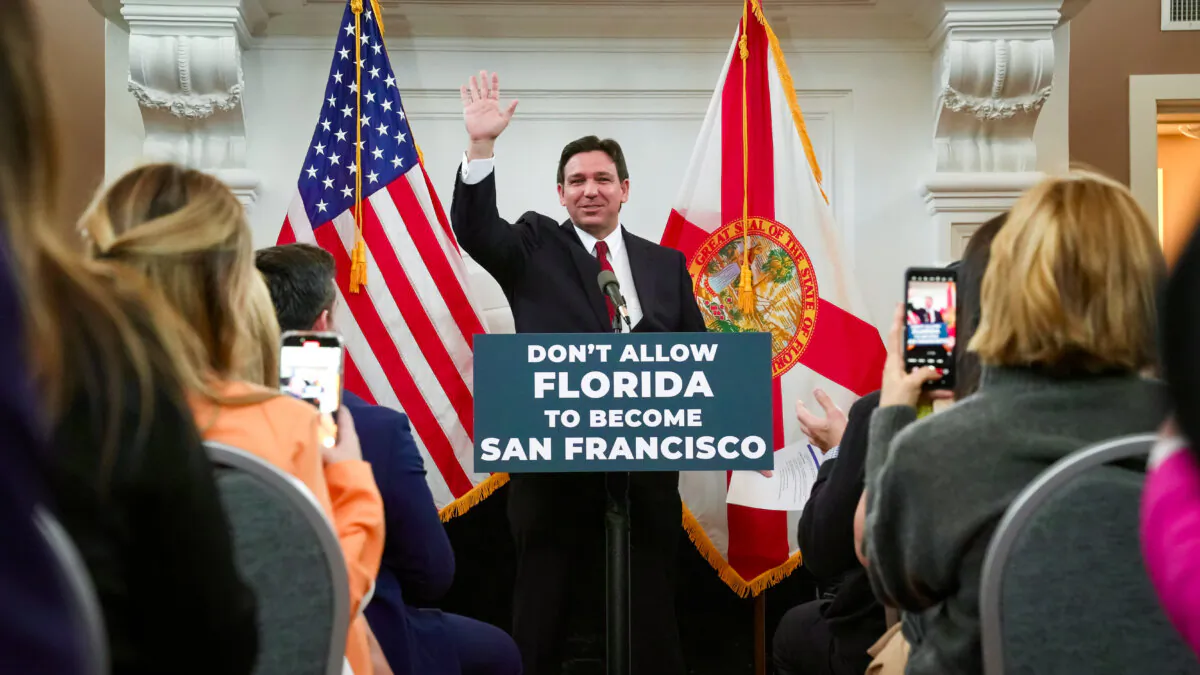

Florida won’t ever become like San Francisco, Gov. Ron DeSantis is vowing. And he’s asking Florida lawmakers, currently in their regular legislative session, to pass laws to back up that promise.
The Republican governor, who recently suspended his presidential campaign, described the distant California city as an example of one plagued by urban decay during a press conference in Miami Beach on Feb. 5.
“When people have flooded into Florida over these last many years, I’ve talked to so many of them that just did not feel that their public officials were keeping their community safe,” Mr. DeSantis said, spotlighting the city where Mr. Newsom served as mayor for seven years until 2011.
“I mean, you look at places like San Francisco, where you can rob the stores blind, and they don’t do anything,” he said, pointing to recent shoplifting rampages in the city.
It’s not unusual for Mr. DeSantis to point out conditions in California to contrast policies in Florida. He and California Gov. Gavin Newsom, a Democrat, often publicly jab at each other’s policies. They argued with each other aggressively in a nationally televised debate in November 2023.
He used examples of San Francisco’s chronic problems to explain why he’s proposing new laws in Florida to combat problems brought about by homelessness.
He’s suggesting legislation to prohibit camping on city streets and sidewalks and in parks. He wants to increase funding for homeless shelters, while requiring occupants not to use drugs and to participate in services to help them secure jobs. He hopes to increase public funding for treatment for substance abuse and mental health problems.
And he wants to create “state enforcement tools to ensure local governments comply,” rather than ignore homelessness, he said.
San Francisco and cities like it have crime in the streets, open drug use, human excrement on the sidewalks, and more, all because leaders refuse to fix the problems, Mr. DeSantis said.
“It’s policy,” he said. “It’s the policies that are creating this type of an environment.”
Mr. DeSantis said his proposals will ensure “we’re not going to let any city turn into a San Francisco. Not on our watch.”
Crime in California
Statistics show that crime in San Francisco and other areas of California has increased dramatically.
Some people link the increase to California laws, such as Proposition 47. It has recategorized some felonies as misdemeanors, making punishments lighter for thefts of items valued below $950.
San Francisco also has seen the number of hypodermic needles left on the streets rise rapidly.
Open the Books, a California nonprofit watchdog group, found that since 2011, there have been at least 29,300 reported instances of hypodermic needles discarded on San Francisco’s streets. The group also documents human waste found on city thoroughfares.
The group files Freedom of Information Act requests to document federal, state, and local government spending. In 2022 alone, researchers there filed 50,000 of these requests, according to the organization.
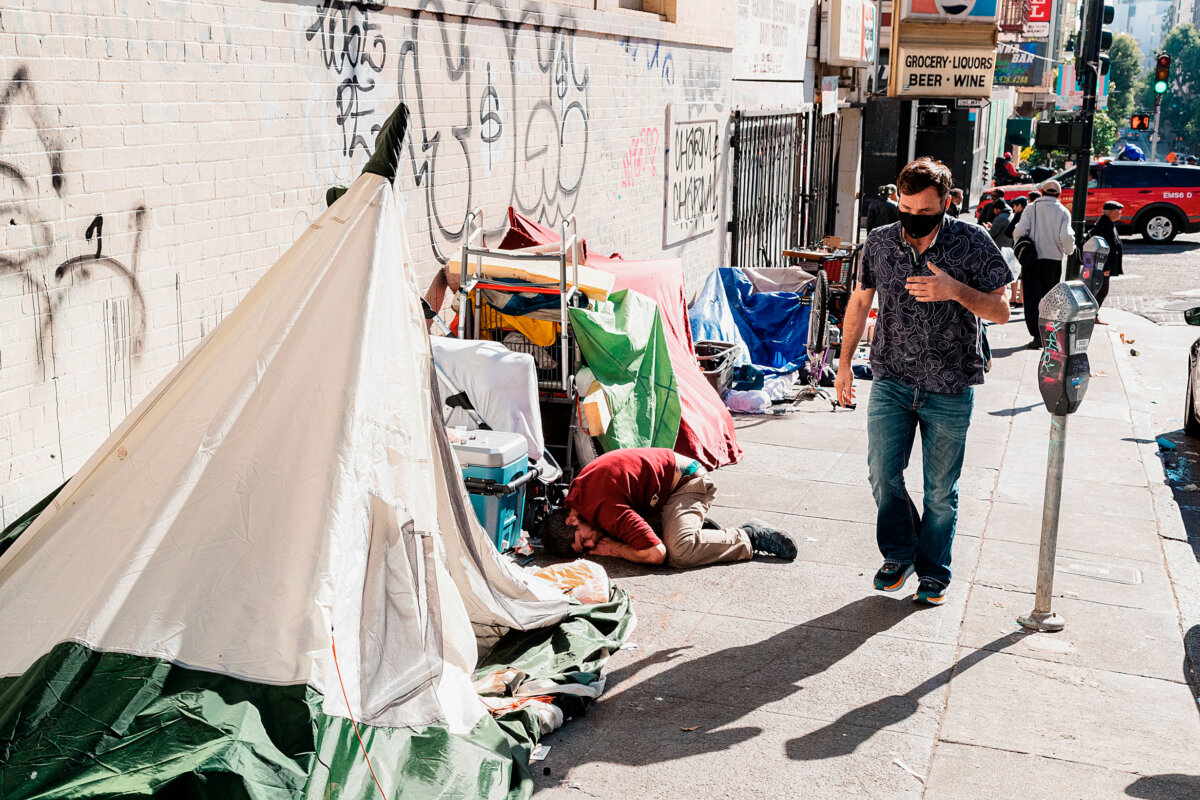
About a third of America’s homeless people live in California.
A 2023 study by the University of California San Francisco found that 90 percent of these people became homeless while they were California residents.
Two-thirds reported current mental health symptoms, and more than a third experienced physical or sexual violence during their time spent homeless, study researchers reported.
But city leaders have been able to curb the appearance of homelessness and related problems temporarily during large public events.
They were criticized recently for rapidly improving the city’s appearance of cleanliness just ahead of a visit by Chinese Communist Party leader Xi Jinping in November 2023.
Residents have complained that there have been similar temporary clean-up operations before the Super Bowl or large conferences, but no long-term solutions.
The Epoch Times contacted San Francisco city government but received no comment by publication time.
Proposals to Curb Florida Homelessness
While California’s homelessness rate went up 15 percent from 2019 to 2022, Florida’s rate went down 11 percent in the same time frame, according to the office of the Florida governor.
But, Mr. DeSantis said, “We understand this stuff can change very, very quickly. So we feel that if the legislature is willing to lean in on this, that we want to be there to be able to offer support, but it’s got to be done right.”
So lawmakers should put policies in place to ensure that in Florida, cities will not end up like San Francisco, he said. Taking steps to curb homelessness will ensure public order, better quality of life for Floridians, and will protect property values, he said.
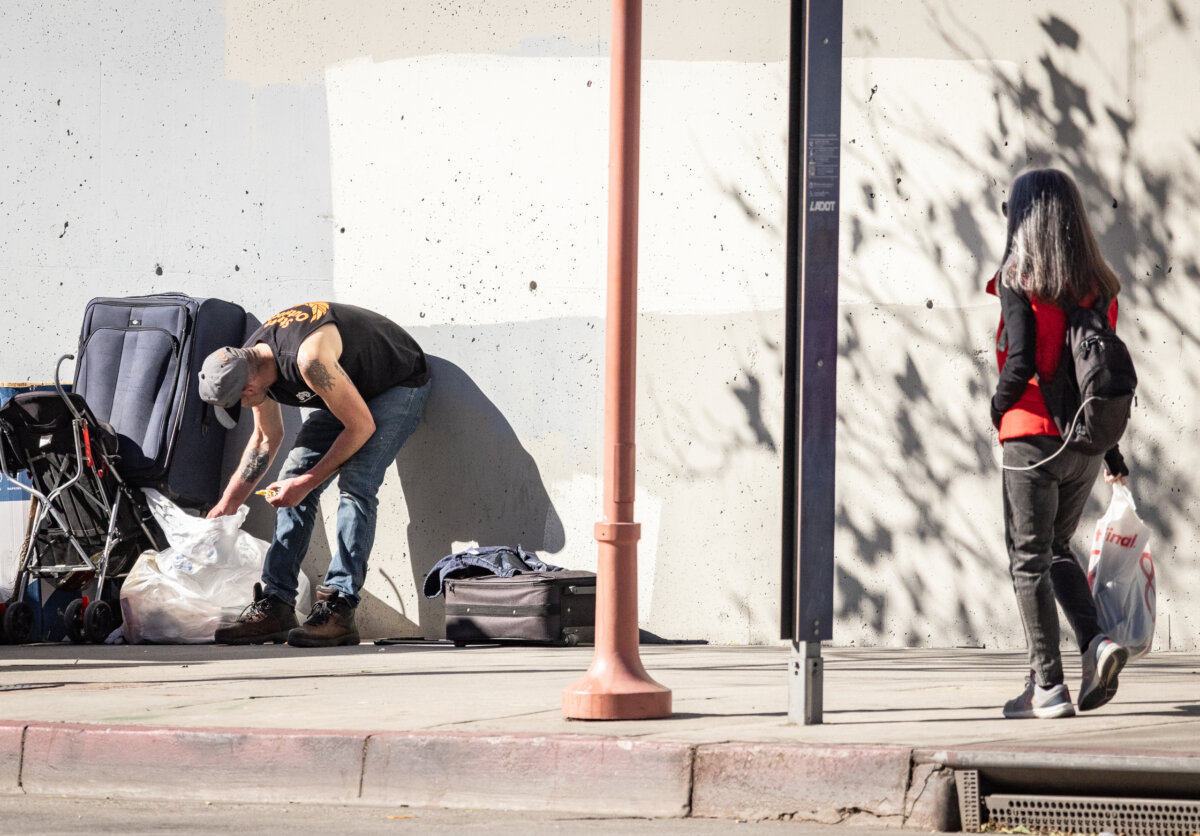
And that starts by passing laws that make it more difficult for people to choose to reject help and remain homeless, he said. It also will require the passage of laws to compel local officials to enforce legislation already in place.
In two instances, Mr. DeSantis has removed local prosecutors with histories of not bringing suspects to trial.
“Prosecutors have a duty to faithfully enforce the law,” Mr. DeSantis said when he removed Monique Worrell, the state attorney for the 9th Judicial Circuit.
“One’s political agenda cannot trump this solemn duty. Refusing to faithfully enforce the laws of Florida puts our communities in danger and victimizes innocent Floridians.”
Ms. Worrell declined to prosecute 16,243 cases. That equaled 43 percent of arrests during her term.
Before removing Ms. Worrell from her post, Mr. DeSantis removed Hillsborough County’s State Attorney Andrew Warren. Mr. Warren publicly had said he wouldn’t enforce state abortion law.
In many states, so-called “sanctuary cities” have become a difficult problem for legislators.
Some “sanctuary cities” refuse to enforce federal laws on illegal immigration. Others refuse to enforce other laws or they vow to “protect” certain lifestyles, such as homelessness.
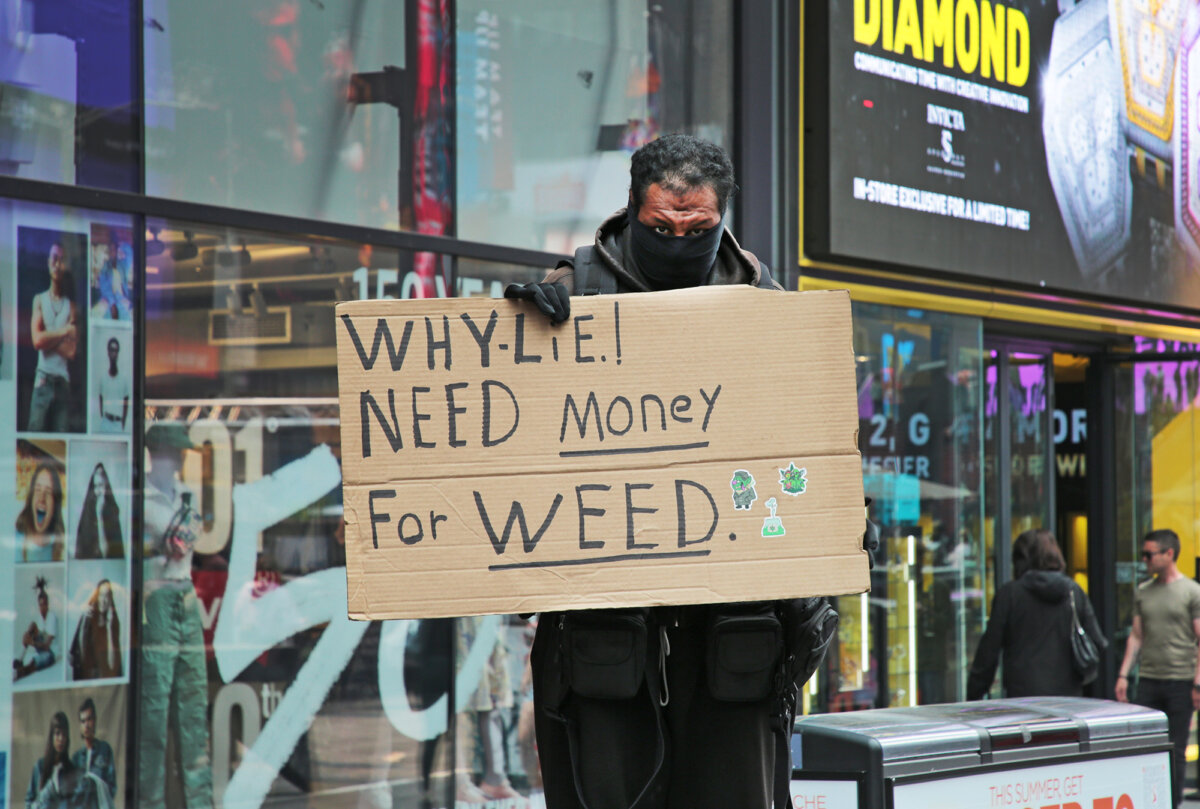
Mr. DeSantis is urging Florida lawmakers to pass a law that would prevent left-leaning cities from ignoring state laws on homelessness.
Current Florida law has created government programs designed to help the homeless. Vagrancy and public drunkenness are illegal.
Many local governments around the state have ordinances addressing homelessness.
“I think these [statewide] protections will be very good for Floridians,” Mr. DeSantis said. “It’ll ensure that we don’t see any part of our state descend into the madness that you’ve seen in places like San Francisco, New York City, or Seattle.”
Reuters contributed to this article.
 Friends Read Free
Copy
Facebook
Tweet
Friends Read Free
Copy
Facebook
Tweet