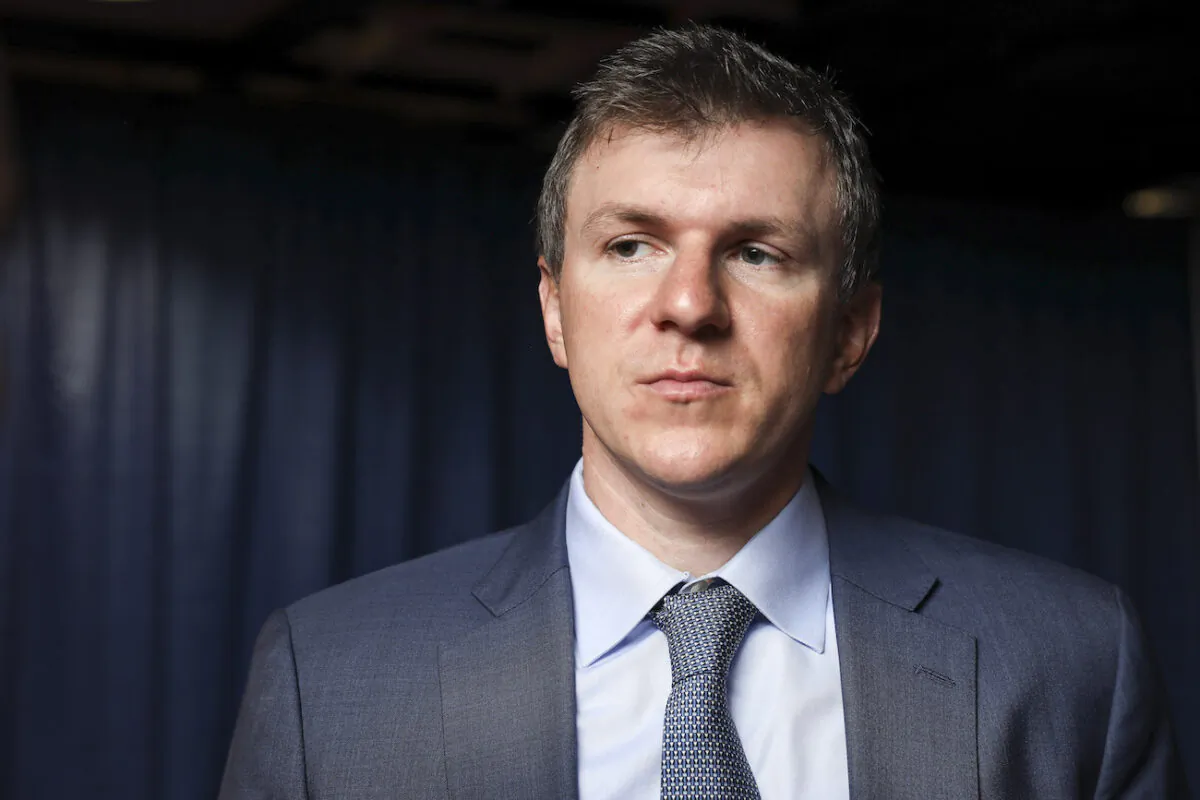

A U.S. appeals court has entered a judgment in favor of James O’Keefe, founder of Project Veritas, and a Project Veritas reporter.
A split panel of U.S. Court of Appeals for the District of Columbia Circuit judges said on Aug. 21 that a district court judge had erroneously kept in place $130,000 in damages against O’Keefe over an undercover operation that targeted Democratic strategists.
“The principal question in this appeal is whether the jury’s damages award violated the First Amendment by punishing the defendants for publishing a news story,” Circuit Judge Karen LeCraft Henderson, writing for the majority, said. “We conclude that it did.”
The case was brought after Project Veritas released a video showing conversations with strategist Robert Creamer and other Democratic operatives, including discussions secretly recorded by Allison Maass, a Project Veritas reporter, while she spent eight days as an unpaid intern at the Democracy Partners firm in 2016.
Creamer, who owned a consulting organization that was part of the firm, said two other groups canceled contracts with his organization because of footage Maass illegally obtained inside Democracy Partners. The contracts were primarily canceled because of footage of conversations with another Democratic strategist that was recorded by other Project Veritas personnel in public places, the appeals court majority said. That footage is protected under the First Amendment, Henderson said.
“The First Amendment required Creamer to show that the defendants’ unlawful conduct, rather than protected speech, was the prevailing cause of his damages,” the majority said. “But the record proved the opposite. Because the protected content of the Rigging the Election video was the principal cause of Creamer’s lost contracts, the resulting damages award impinges on the First Amendment.”
A district court judge had in 2025 upheld a jury ruling in favor of Democracy Partners, finding that Supreme Court precedent meant he had to be deferential to the jury because the case did not involve speech protected by the U.S. Constitution’s First Amendment.
The D.C. Circuit panel in the new ruling also threw out the jury decision that Maass violated federal and D.C. wiretapping laws when she secretly recorded conversations with Creamer and others she came into contact with during her eight days as an unpaid intern at Democracy Partners in 2016.
The wiretapping claims were predicated on Maass breaching a fiduciary duty to Democracy Partners, but no evidence showed that Maass was an agent for, or had the authority to take legally binding action on behalf of, the firm, the majority said.
The panel set aside all the damages.
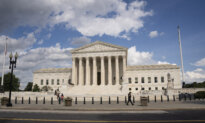
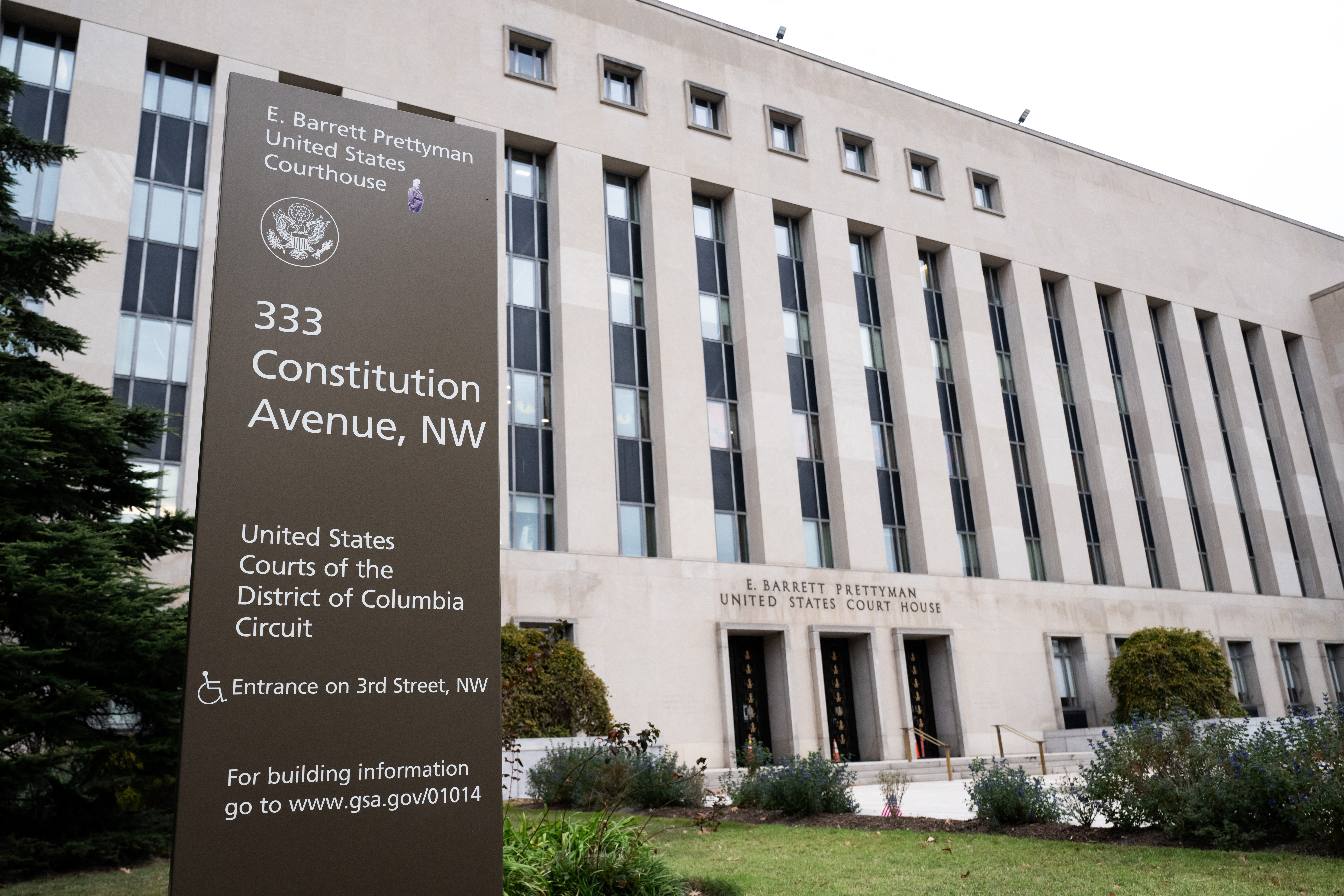 The E. Barrett Prettyman United States Courthouse, for the U.S. District Court and U.S. Court of Appeals for the District of Columbia Circuit, in Washington on Nov. 3, 2025. (Saul Loeb/AFP via Getty Images)
Project Veritas said in an Aug. 22 post on X that the ruling was “a win for every undercover journalist exposing the truth.”
Democracy Partners did not respond to a request for comment.
Circuit Judge Harry Edwards was also part of the majority.
Circuit Judge Robert Wilkins concurred in part and dissented in part.
He said that the majority properly applied Supreme Court precedent, but that he would have affirmed the jury’s decision on both the fraudulent misrepresentation and wiretapping claims, while reducing the damages to a nominal amount.
“Because the evidence was sufficient to establish that the Plaintiffs proved their fraudulent misrepresentation claim, I do not believe it is appropriate to enter judgment for the Defendants,” he said.
“Indeed, the Defendants have never seriously contended that their unprotected conduct did not constitute fraudulent misrepresentation. The verdict is completely consistent with the evidence that the infiltration, which was the fruit of the tort, was at least ‘a factor’ in the termination of the business relationships.”
 Friends Read Free
Copy
Facebook
Tweet
Friends Read Free
Copy
Facebook
Tweet