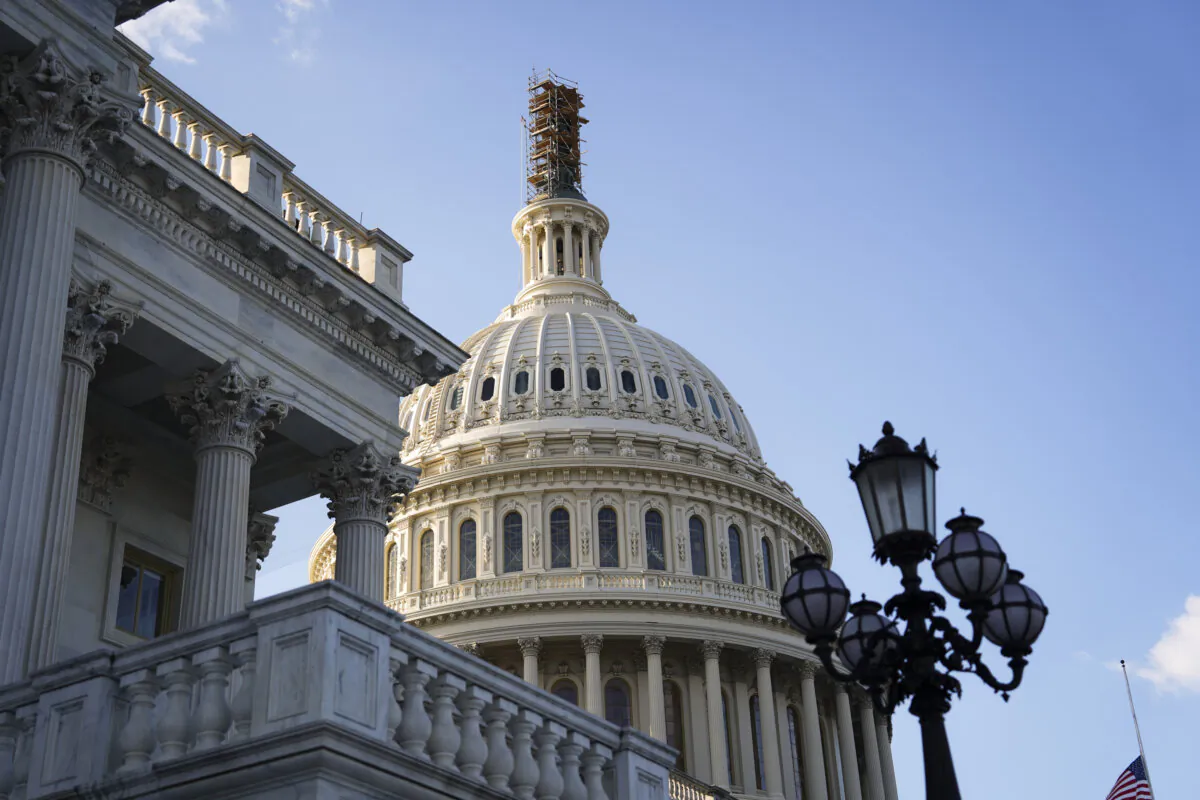

The House overwhelmingly passed on Nov. 3 a bill that would impose sanctions on Iranian oil.
It passed 342–69 and comes as the Iran-backed Hamas and Hezbollah terrorist groups have launched attacks on Israel. Iran is a major producer and exporter of petrochemicals, with China being the major importer. Additionally, the funds the regime receives helps finance terrorist groups.
The Stop Harboring Iranian Petroleum Act, or SHIP Act, was introduced by Rep. Mike Lawler (R-N.Y.) and would sanction those who import or aid and abet the importation of Iranian petroleum products. It would require the president, 90 days following the bill’s enactment and thereafter, to sanction foreign persons involved in the trade of Iranian petrochemicals or crude oil. Such persons would be ineligible for visas to stay in or enter the United States.
The 12-page bill would require the administrator of Energy Information Administration, which is part of the Department of Energy, to submit a report to Congress, no later than 120 days after the enactment of the legislation, about Iran’s exportation of petroleum and petroleum products.
The United States has already levied sanctions related to Iranian petroleum.
Overall, Mr. Lawler’s bill was part of a series of resolutions and bills related to Israel and Iran.
The Hamas International Financing Prevention Act, introduced by Rep. Brian Mast (R-Fla.), passed 363–46 on Nov. 1, with one Republican joining 45 Democrats in voting against it.
It would impose sanctions on foreign states and persons supporting Hamas and Palestinian Islamic Jihad (PIJ), which is also a U.S.-designated terrorist organization.
 Friends Read Free
Copy
Facebook
Tweet
Friends Read Free
Copy
Facebook
Tweet