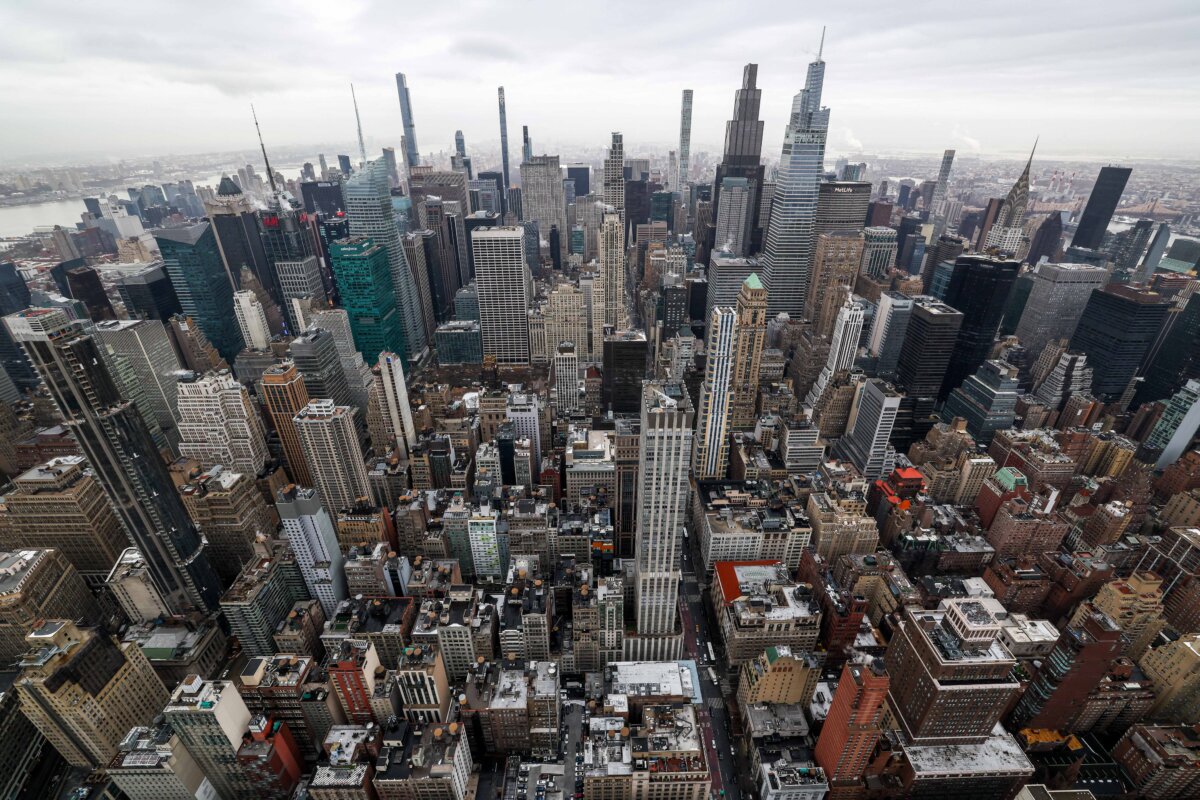

Many large metro areas are facing population stagnation or even decline. Not only are they losing population to smaller cities, but the steady stream of immigrants that had kept them growing has also greatly diminished, according to new Census Bureau data.
The 56 metropolitan areas with more than 1 million residents received nearly 1 million immigrants in the 12 months ending in June 2025. That is down from more than 2 million the year before.
Meanwhile, the same counties lost more than 400,000 people to domestic migration, slightly up from the year before and nearly 2.6 million over five years.
The immigrant population has declined over the past year because of the Trump administration’s strict immigration enforcement. However, the Census Bureau data covers less than six months of the new policies and does not reflect their full impact.
Not all large metros struggle to retain residents. Although New York City, Los Angeles, Miami, Chicago, Boston, and San Francisco were the biggest losers, Charlotte, North Carolina; Phoenix; Austin, Texas; San Antonio; and Dallas saw more Americans moving in.
Overall, Americans tend to move from the largest cities to smaller ones. Most pick those with a population of more than 50,000, the data show.
However, the largest metros tend to have much higher natural population growth, calculated by the difference between births and deaths. Counties with populations of more than 1 million experienced natural growth of about 0.3 percent, compared with about 0.1 percent in counties below 1 million but above 50,000. In counties below this threshold, the natural growth rate is usually negative.
Many midsize metros have experienced phenomenal growth in recent years. Myrtle Beach, South Carolina, leads the pack with expansion of nearly 22 percent since 2020. Some Florida areas, such as Lakeland and Wildwood, also saw growth of more than 20 percent.
However, soaring property prices and natural disasters have stunted Florida’s popularity more recently. Tampa, for example, has had negative domestic migration for the first time in five years.
The largest cities have seen people leave in droves during the COVID-19 pandemic lockdowns. Many have since returned, but an increase in remote work has allowed many Americans greater flexibility in picking their domicile.
A desire for better or cheaper housing has been the top reason for moving, followed by changes in family situation and employment, according to the 2023 Census Bureau survey.
However, overall, fewer and fewer Americans are moving. In 2000, more than 43 million moved. In 2012, 36 million moved. In 2023, it was less than 26 million.
Correction: An earlier version of this article misstated the location of Myrtle Beach, South Carolina. The Epoch Times regrets the error.
 Friends Read Free
Copy
Facebook
Tweet
Friends Read Free
Copy
Facebook
Tweet