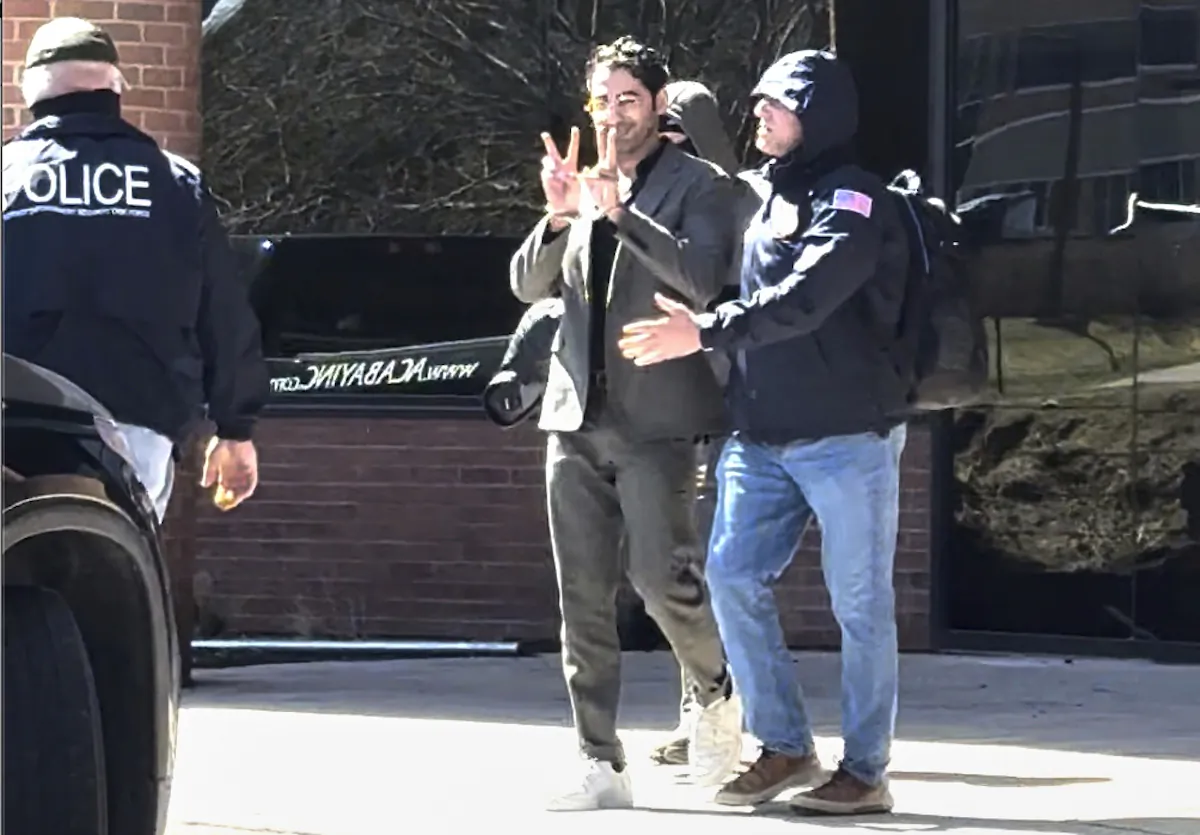

An immigration judge on Feb. 17 blocked the Trump administration’s bid to deport Mohsen Mahdawi, a Columbia University student detained last year for his role in campus protests against Israel’s actions in the Israel–Hamas war.
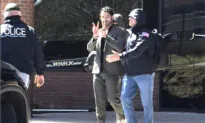
Mahdawi, a Palestinian and lawful U.S. permanent resident, was arrested by Immigration and Customs Enforcement (ICE) agents on April 14, 2025, while attending an interview at an immigration field office in Vermont for his citizenship application.
Following his arrest, a federal judge issued a temporary restraining order blocking the administration from deporting or transferring him out of Vermont. Mahdawi was eventually released from detention on April 30, 2025, according to the American Civil Liberties Union (ACLU).
Attorneys for Mahdawi have submitted the immigration judge’s decision to terminate the federal government’s deportation proceedings to the U.S. Court of Appeals for the Second Circuit, which is overseeing the case.
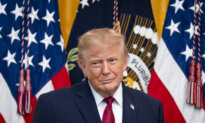
The judge said the administration had failed to authenticate a memorandum purportedly from Secretary of State Marco Rubio, which called for Mahdawi’s deportation and declared him a threat to U.S. foreign policy over his role in protests against Israel’s military actions in Gaza following the Oct. 7, 2023, Hamas attacks, according to a statement by the ACLU.
Despite the ruling, the administration retains the option to appeal the decision to the Board of Immigration Appeals or refile its case against Mahdawi if it can properly authenticate the memorandum and attachments purportedly from Rubio.
In the statement carried by ACLU, Mahdawi praised the judge’s decision, saying it affirmed people’s right to free speech.
“I am grateful to the court for honoring the rule of law and holding the line against the government’s attempts to trample on due process,” he said. “This decision is an important step towards upholding what fear tried to destroy: the right to speak for peace and justice.”
Commenting on the ruling, the Department of Homeland Security (DHS) said Mahdawi’s green card was a privilege and that his actions should warrant its revocation.
“No activist judge, not this one or any other, is going to stop us from doing that,” DHS spokesperson Tricia McLaughlin said in a statement to media outlets.
Columbia University was one of many campuses in the United States where protesters set up encampments to protest against Israel’s actions in Gaza amid the Israel–Hamas war last year. Some of these protests escalated into anti-Semitic activities, as protesters set up barricades that prevented Jewish students from accessing certain buildings on campus.
President Donald Trump has said his administration will not tolerate such acts, alleging that many participants are not students but rather “paid agitators.”
The Associated Press contributed to this report.
 Friends Read Free
Copy
Facebook
Tweet
Friends Read Free
Copy
Facebook
Tweet