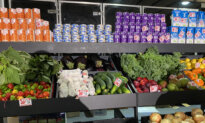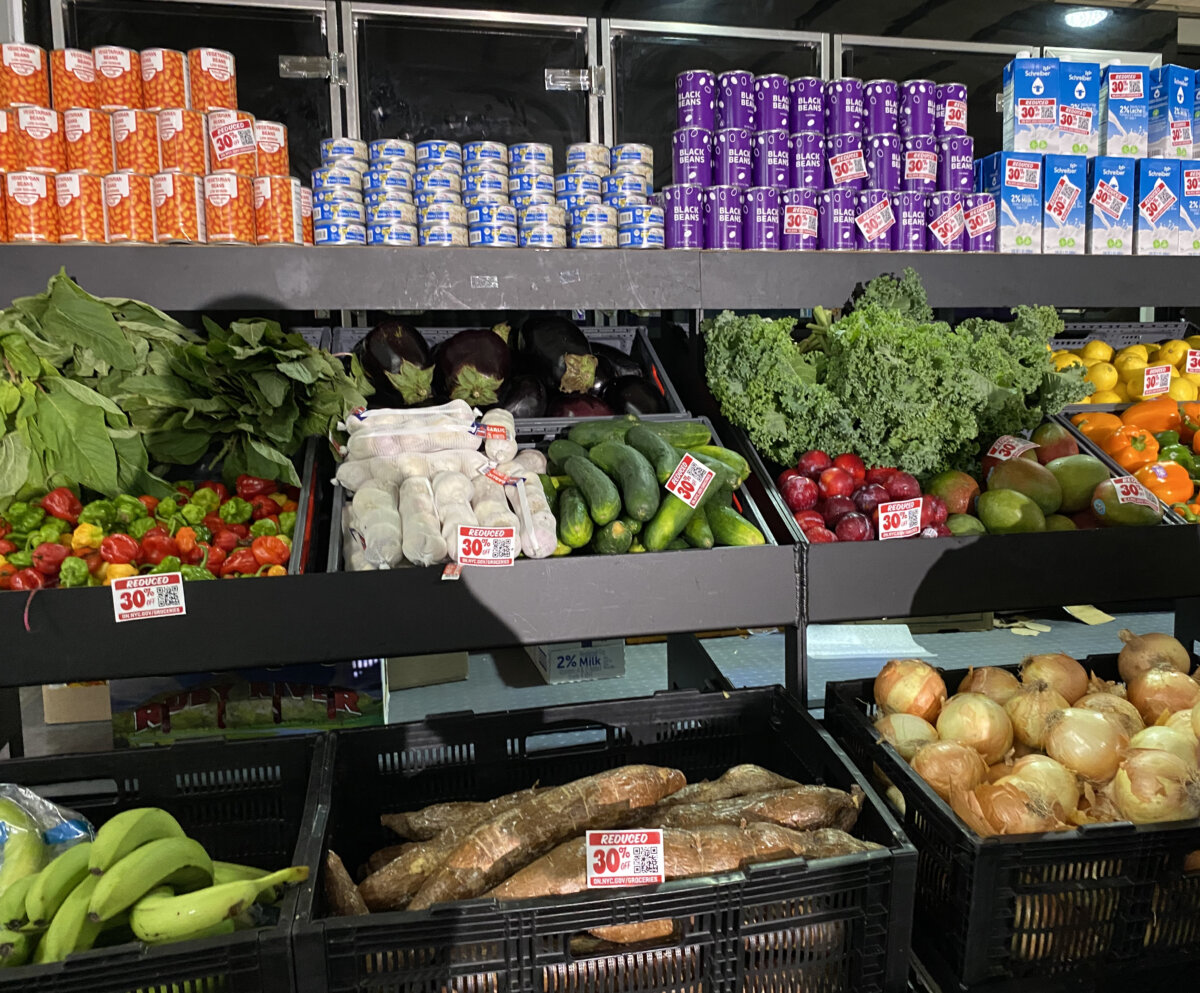

NEW YORK CITY—Mayor Zohran Mamdani announced that city-owned grocery stores will charge 30 percent less for core food staples than other local grocers, speaking with the press in Brooklyn July 27 to announce that the search for an operator for the stores is now open.
The selected operator will pay no rent or taxes at the selected site but must source and deliver the deep 30 percent discount on a list of food staples, including fresh meat and seafood (and some frozen items), all fresh fruit and vegetables, deli meats, yogurt, milk, cheese, eggs, butter, tofu, pasta, bread, nuts, rice, beans, and prepared deli salads as well as others.
To avoid empty shelves, the operator will be required to keep the store stocked to meet daily demand. The city may also implement something similar to a library card to prevent customers from hoarding or bulk purchasing and then reselling the discounted food items.
If the tax break and free rent aren’t enough to help the operator break even, the city will provide subsidies to cover the 30 percent discount on food items.
Asked if these attractive prices won’t siphon business from nearby grocers, the mayor said the consumer base is large enough to support more markets, and that it would be even larger except that so many New Yorkers have moved away.
“The absence of affordability in this city has pushed so many working-class New Yorkers out of the city,” said Mamdani. Adding that all those who left could have been customers for bodegas and local grocery stores, “and instead, we’ve seen an exodus.”
“We see this as a city that is big enough for the more than 1000 existing grocery stores we currently have and five city-run grocery stores, one in each borough,” said Mamdani.
The city-run grocery stores are expected to avoid selling unhealthy snacks in the checkout aisle and are expected to “promote healthy eating throughout the store.” The mayor highlighted that the city-run stores will not sell prepared food, lottery tickets, alcohol, or cigarettes—items he says drive revenue for bodegas.
Grocers don’t agree. They say selling all these staple items at a 30 percent discount will compete directly with existing neighborhood supermarkets.
“Excluding alcohol, cigarettes, lottery tickets and prepared foods does not change that reality—the discounted products are the heart of the supermarket business,” said Anthony Peña, president of the National Supermarket Association, in a statement emailed to The Epoch Times.
Peña said the city should instead partner with existing grocery stores and offer tax relief, grants, refrigeration assistance, and targeted discounts for shoppers.
He said the city should report on the subsidies it is providing, conduct economic impact studies, and do more to protect the grocers already serving these communities.
Peña said grocers are ready to partner with the mayor to lower grocery prices, but “affordability cannot come at the expense of the immigrant- and minority-owned supermarkets that have invested in these neighborhoods for generations.”
 Friends Read Free
Copy
Facebook
Tweet
Friends Read Free
Copy
Facebook
Tweet