
On opposite sides of the state, Ohio Republicans are attempting to flip two Congressional seats currently occupied by Democrats.
Ohio Congressional Districts 1 and 13 face competitive primaries on May 5.
For the third straight election cycle, Ohio will have 15 seats in Congress. That is the state’s smallest delegation since before the Civil War.
Republicans currently hold 10 of those seats.
The 2026 election features newly drawn House district maps after a last-minute agreement between Democrats and Republicans, which have a supermajority in the state legislature.
Congressional District 1
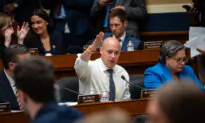
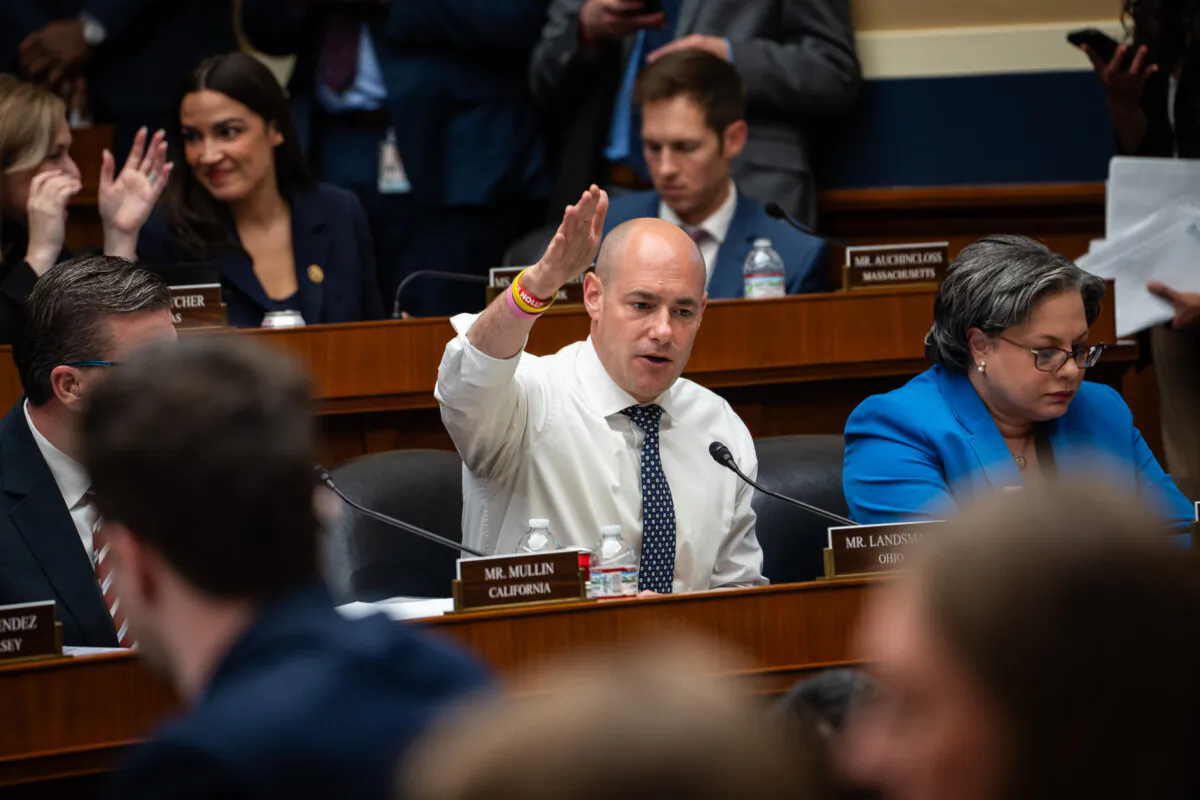
In the First Congressional District—which covers part of southwest Ohio, including left-leaning Cincinnati—three candidates in the Republican primary are vying to earn their party’s nomination and unseat incumbent Democrat Rep. Greg Landsman, who is facing a primary clash with Damon Lynch.
The new maps made Landsman’s district more competitive, converting it from an area President Donald Trump lost by 6 points to one he won by almost 3 points.
The Cook Political Report calls the district’s race a toss-up.
The Republican primary originally included four candidates—former CIA officer Eric Conroy, former businesswoman Holly Adams, nonprofit CEO Rosemary Oglesby-Henry, and dentist Steven Erbeck.
Conroy, a former Air Force intelligence officer, received Trump’s endorsement on April 14. Erbeck dropped out and backed Conroy, leaving Adams and Oglesby-Henry as the other challengers.
“A Brave U.S. Air Force Veteran, and former Central Intelligence Agency (CIA) Officer, Eric knows the Wisdom and Courage it takes to Ensure LAW AND ORDER, Strongly Support our Great Heroes in Law Enforcement, and Champion our Military and Veterans,” Trump wrote.
“In Congress, Eric will work hard to Grow the Economy, Cut Taxes and Regulations, Promote MADE IN THE U.S.A., Advance American Energy DOMINANCE, Keep our Border SECURE, Stop Migrant Crime, and Defend our always under siege Second Amendment.”
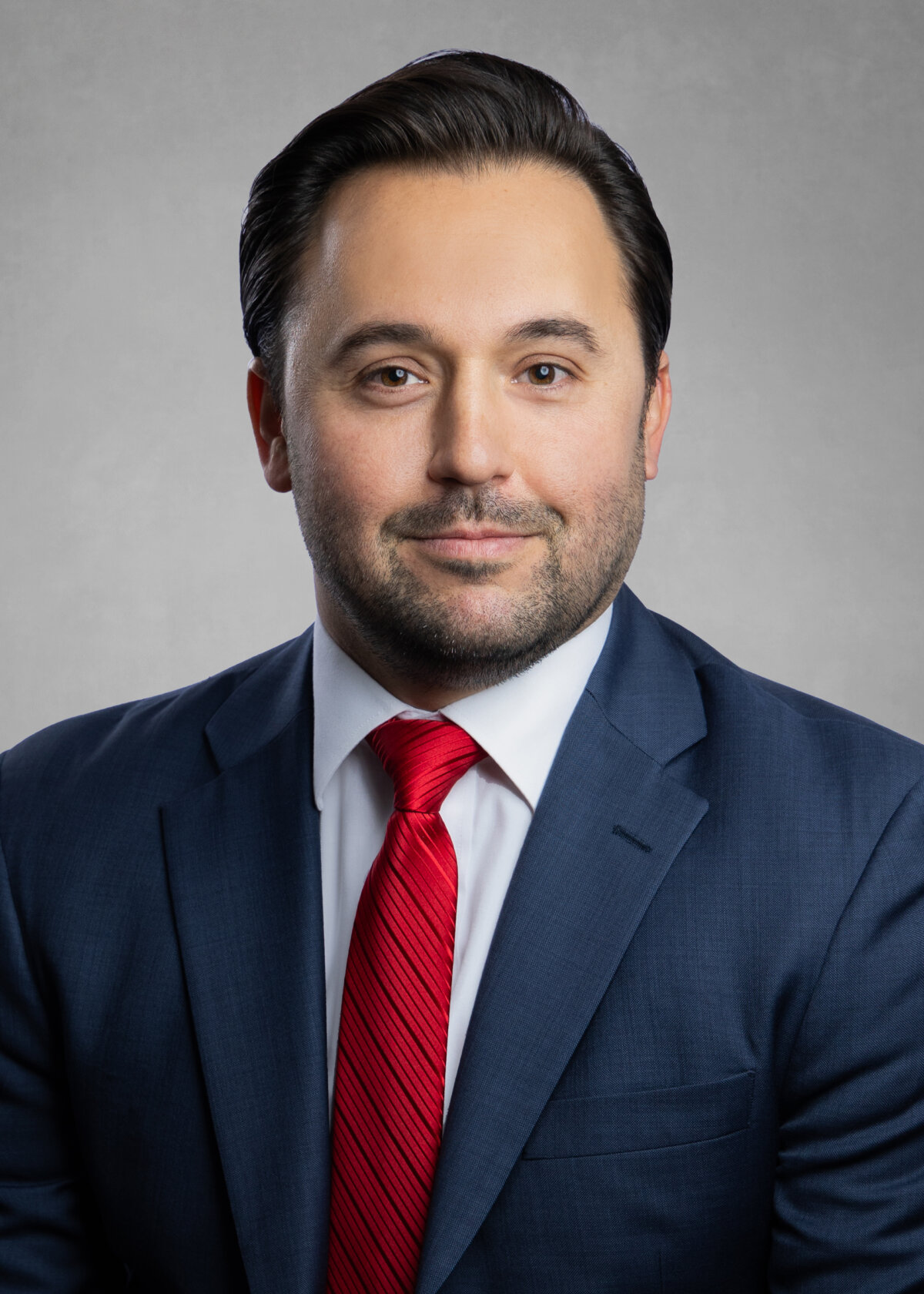
Conroy said Trump’s backing helps “unify the party both in the primary and also the general, and that’s going to be critical for voter turnout.”
“This is going to be a very tight election in the general and we need max Republican participation to be successful,” Conroy said.
Conroy said there is a clear contrast between him and Landsman.
“Greg Landsman voted against the largest tax cut in American history, he wants to defund ICE, supported defunding the police, and voted to allow transgender men to compete in girls’ sports. Landsman’s radical agenda is out of touch with Southwest Ohio,” Conroy said.
Adams was not deterred when Trump endorsed Conroy and remained in the race. She earned a business and marketing degree from Bowling Green State University and worked for nearly three decades in sales.
“President Trump has begun the hard work of fixing the damage done during the Biden years, but that work is not finished. We still have to tame inflation, secure our border, strengthen our military, and stop the radical agenda coming out of Washington,” Adams said.
“Sometimes, when Washington has made such a mess of things, it takes a woman willing to roll up her sleeves and clean it up.”
Oglesby-Henry is a Cincinnati businesswoman who founded Rosemary’s Babies Co., an organization that promotes self-sufficiency for teen parents. She is also the owner of Petals Playhouse & Activity Center, an indoor playground.
“I know what it’s like to not have,” she said in her campaign video.
“I also understand what resilience is, what faith is, what it means to push forward beyond anything else. That’s what makes me very different from the other candidates. I know what it’s like and I have the grit to be able to sit at the table and make things happen.”
In the Democratic primary, incumbent Landsman and challenger Lynch face off in a race shaped by the newly redrawn district lines.
The candidates have sharp disagreements over foreign policy.
A former Cincinnati City Council member, Landsman is seeking a third term in Congress.
Lynch is his first primary opponent since taking office.
Landsman won reelection in 2024 when he defeated Republican Orlando Sonza with 56 percent of the vote.
“My focus has always been on the things that we all have in common. You know, people want us focused on the economy and their financial well-being and public safety and so those things don’t change,” Landsman said.
Lynch is an entrepreneur and the father of two young children. His family includes several generations of reverends active in the civil rights movement.
“The Democratic Party, they’re not happy. The Democratic party establishment is not happy that I am in this primary race,” Lynch said.
“They would rather Brother Landsman be free and clear, which would seem terrible at this moment because of all of the terrible votes that he’s had. But the primary process is very important,” Lynch said.
Lynch has criticized Landsman’s initial support for the U.S. attack on Iran and the incumbent’s continued support of Israel and Israeli causes.
Landsman disagrees with Lynch. The incumbent has described himself on the campaign trail as one of the most transparent and engaged congressional members.
Landsman supported the initial attack on Iran, calling it necessary to eliminate the regime’s missile and nuclear capabilities.
Since then, he has called for an end to the war and advocates for a congressional war powers resolution that would limit the U.S. president’s ability to conduct more military action in Iran.
“They should have gotten this done in 30 days. The military leaders did get it done,” Landsman said.
“Our military got it done. Trump just cannot get out of this and stop when in fact the military objectives were complete weeks ago,” he added.
Congressional District 13
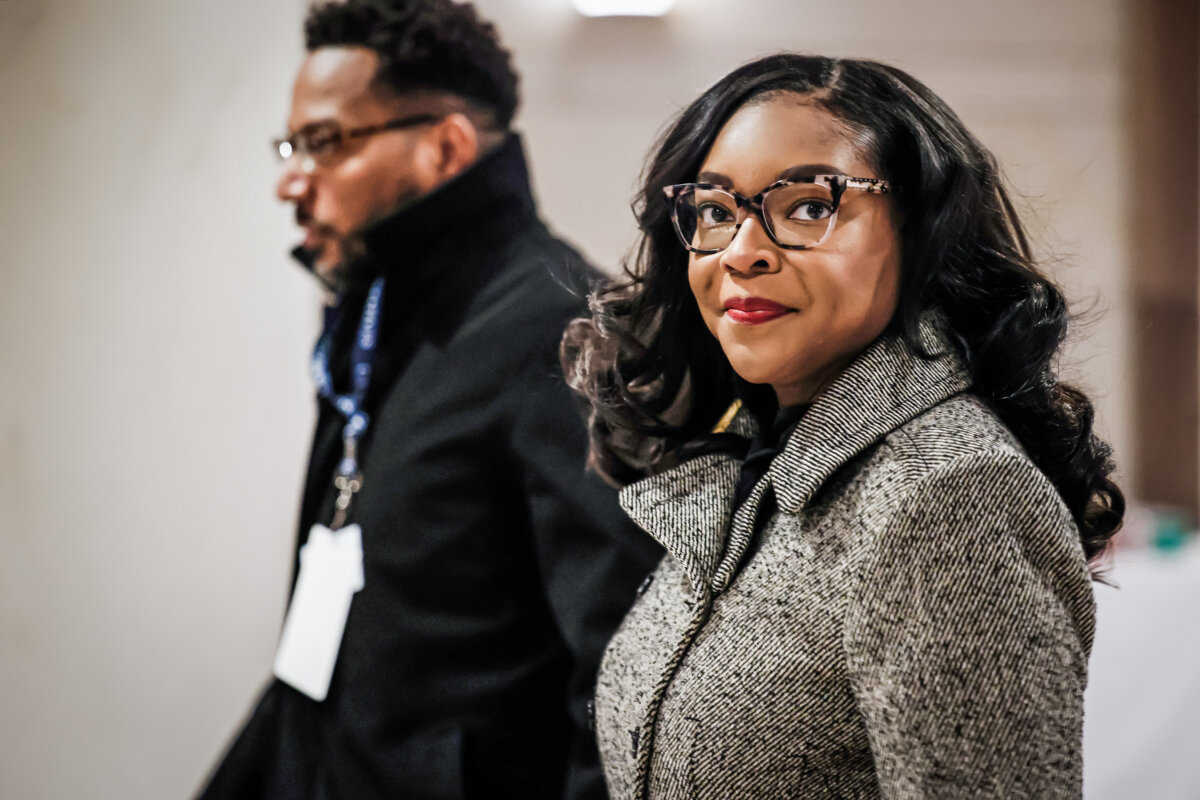
Even with the new maps, Ohio’s 13th Congressional District remains heavily partisan. Rep. Emilia Sykes, a Democrat, is seeking a third term in office. She is unopposed in the primary.
In 2024, Sykes narrowly defeated Republican Kevin Coughlin 51.1 percent to 48.9 percent.
The new map, approved by the Ohio Redistricting Commission, strengthened Sykes’s position according to the Cook Political Report, which rated the race as leaning in Sykes’ favor.
Five Republican candidates are bidding for their party’s nomination on May 5.
Margaret Briem is a U.S. Army veteran and retired businesswoman. Her platform highlights “America First” priorities and draws from her military intelligence experience.
Carey Coleman is a former radio host and television meteorologist in northeast Ohio. He gained the Summit County Republican endorsement in March.
Sanjin Drakovac is a former physician.
“A traditional Republican probably doesn’t have much chance of winning in this district,” Drakovac wrote.
“But me, while many of my ideas align with Republicans, I have enough to also appeal to independents and Democrats, so I probably have the biggest chance of actually winning in the general election in November.”
Neil Patel is a businessman who previously ran for U.S. Senate.
“My journey has never been about politics—it has always been about people,” Patel wrote on his website.
“From international boardrooms to grassroots community centers, I have dedicated my life to building bridges, opening doors, and creating opportunities for those who need them most. Ohio deserves a leader who fights for every family, every worker, and every dream.”
Kevin Siembida has served as the mayor of Leetonia in northeast Ohio since 2016. He has secured endorsements from U.S. representatives.
Siembida lives outside the current boundaries of the 13th District, but Ohio law allows any state resident to run for the seat.
Sandeep Dixit, an independent candidate, also filed for the general election. He promised to publish statements on major votes explaining bills, their potential fiscal impact, the population affected, and the reasons for his votes.
“Washington rewards loyalty to party. I will practice loyalty to Ohio — every vote, every time,” he said on his campaign website.
 Friends Read Free
Copy
Facebook
Tweet
Friends Read Free
Copy
Facebook
Tweet