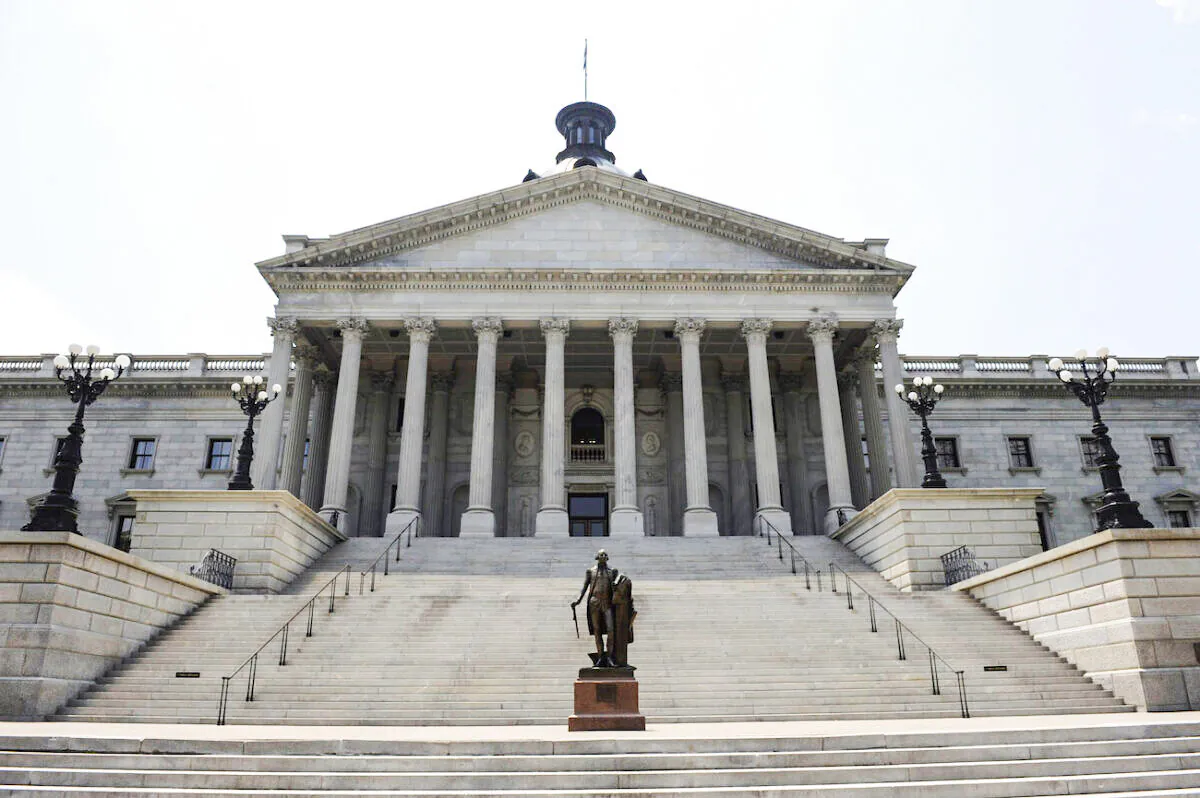

The South Carolina House passed a new U.S. congressional map on May 20 that could eliminate the only Democratic seat in the state.
The Republican-led state House passed the bill 74–37 in the early morning hours on May 20. The legislation, which would likely push out long-serving Democrat Rep. James Clyburn, moves to the GOP-majority state Senate.
The proposal would redraw the map, making all of the state’s seven U.S. congressional districts lean Republican ahead of the midterms.
“This fight is bigger than one district,” Clyburn, who has held his seat since 1993, wrote on social media earlier this month.
“It’s about whether our democracy belongs to the people, or to politicians who change the rules when they don’t like the results. We cannot let them succeed.”
Currently, Republicans hold six of the state’s seven U.S. congressional seats.
States like South Carolina, Tennessee, and Louisiana kicked off redistricting efforts in the spring after the Supreme Court ruled in April that race was not allowed to be used as the primary factor when drawing boundaries for election districts.
During remapping efforts in South Carolina, House Democrats said the redistricting attempt was unfair and motivated by race.
“For over 27 hours across 3 days of debate, Democrats fought to stop Republicans from cheating voters by redrawing congressional districts,” the South Carolina House Democrats wrote in a statement after the bill passed on May 20.
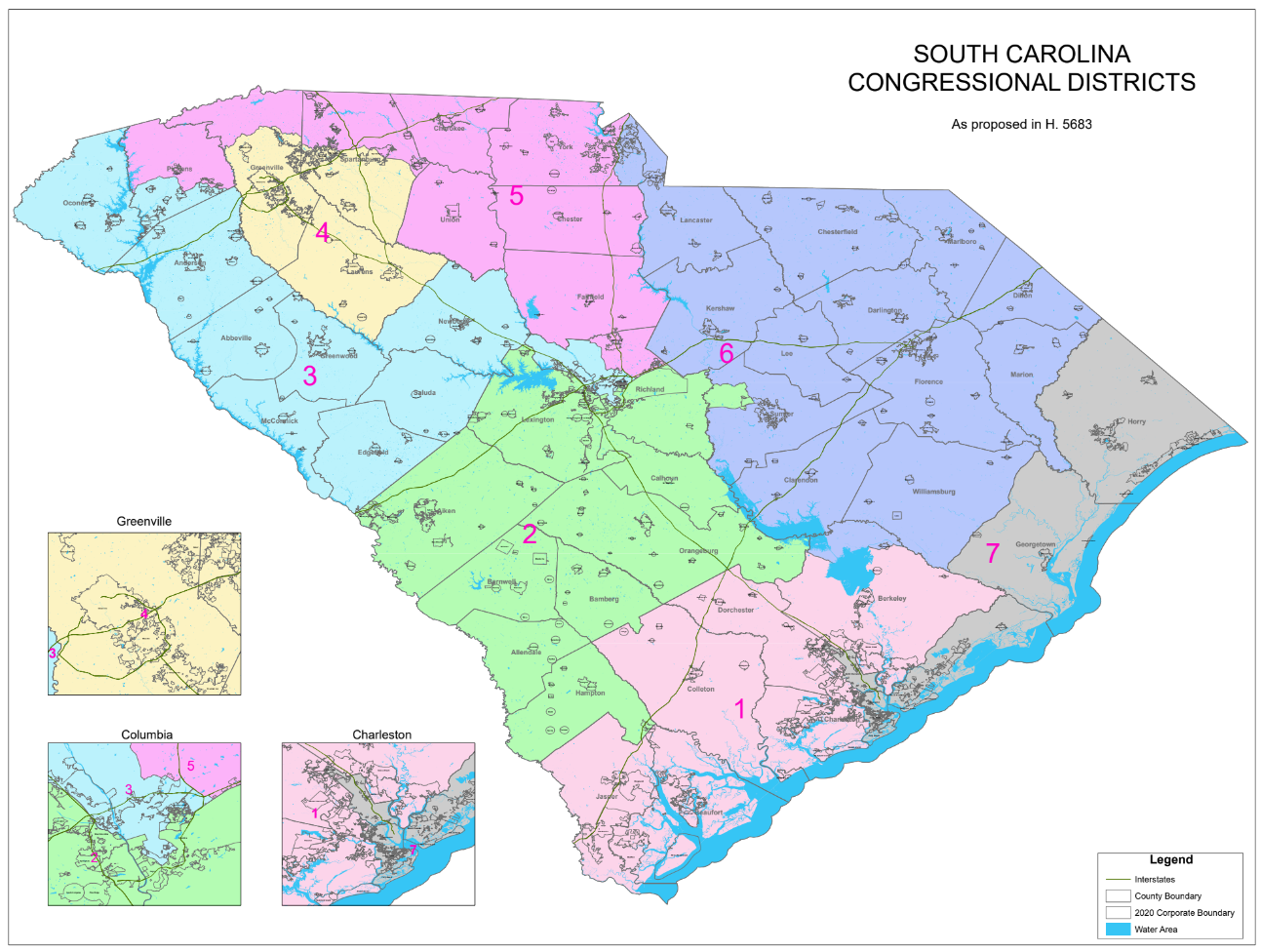
State Rep. Luke Rankin, a Republican who was the lead sponsor of the map, suggested that efforts to redistrict were made to ensure that his party was represented in Washington.
“President Trump decisively won in South Carolina, not once, not twice, but three times,” Rankin said. “It’s completely reasonable for the people that elected us here to expect that we send a full 7–0 Republican congressional delegation to Washington, D.C.”
If passed, the new map would push the state’s primary elections for the U.S. House from June 9 to August 18 so election officials could redistrict areas in Charleston, Greenville, and Columbia.
It would also allow a special runoff primary on Sept. 1, if needed.
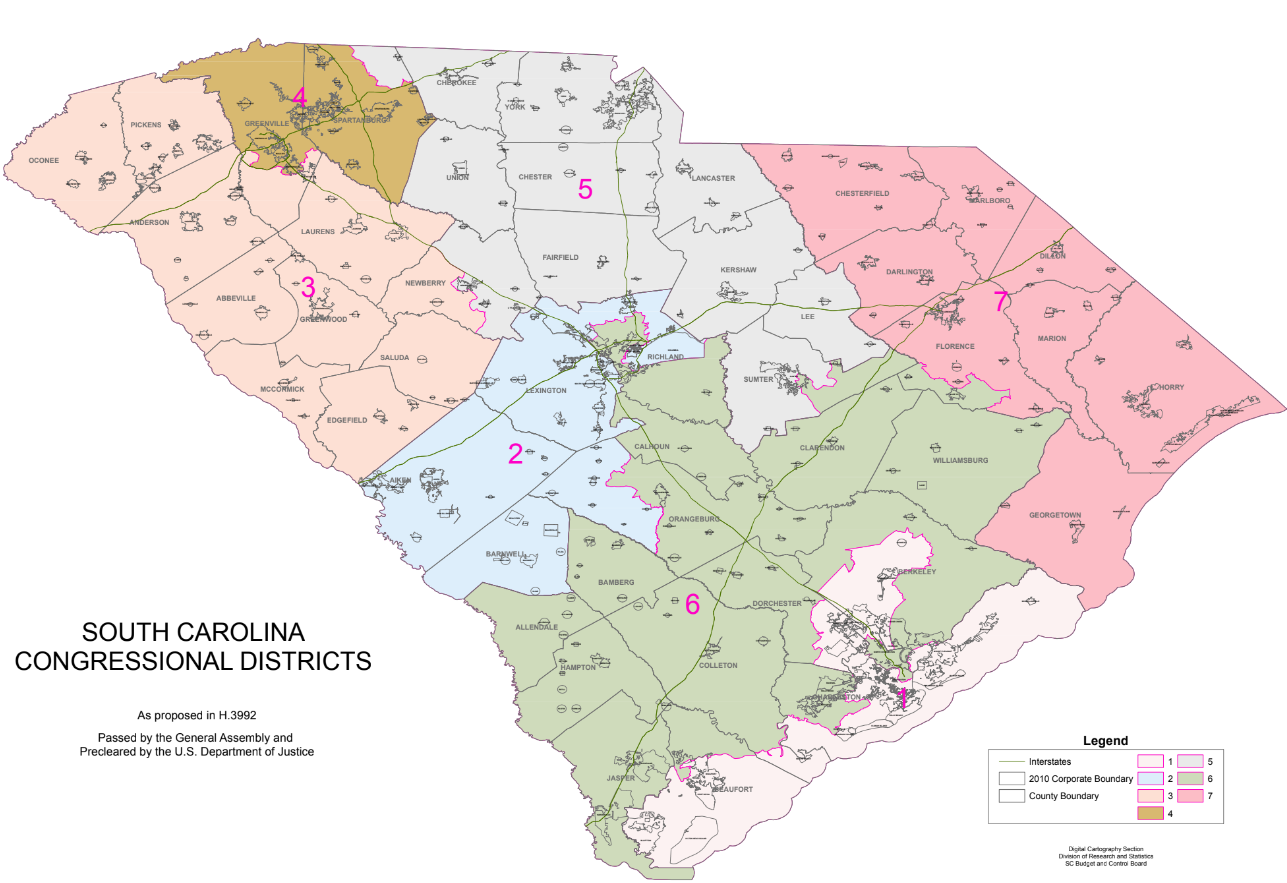
The Senate Judiciary Committee scheduled a public hearing on the new map for the afternoon of May 20, but it faces an uncertain future because some Republican senators crossed party lines earlier in the month to oppose efforts to redraw the maps.
A handful of Republican lawmakers joined Democrats on May 12 in rejecting a bid to extend the session to discuss remapping congressional districts.
The state Senate’s effort to halt redistricting efforts did not last long.
Gov. Henry McMaster quickly stepped in and ordered the entire South Carolina General Assembly to reconvene on May 15 and “continue consideration of South Carolina’s congressional districts.”
Jackson Richman and Reuters contributed to this report.
 Friends Read Free
Copy
Facebook
Tweet
Friends Read Free
Copy
Facebook
Tweet