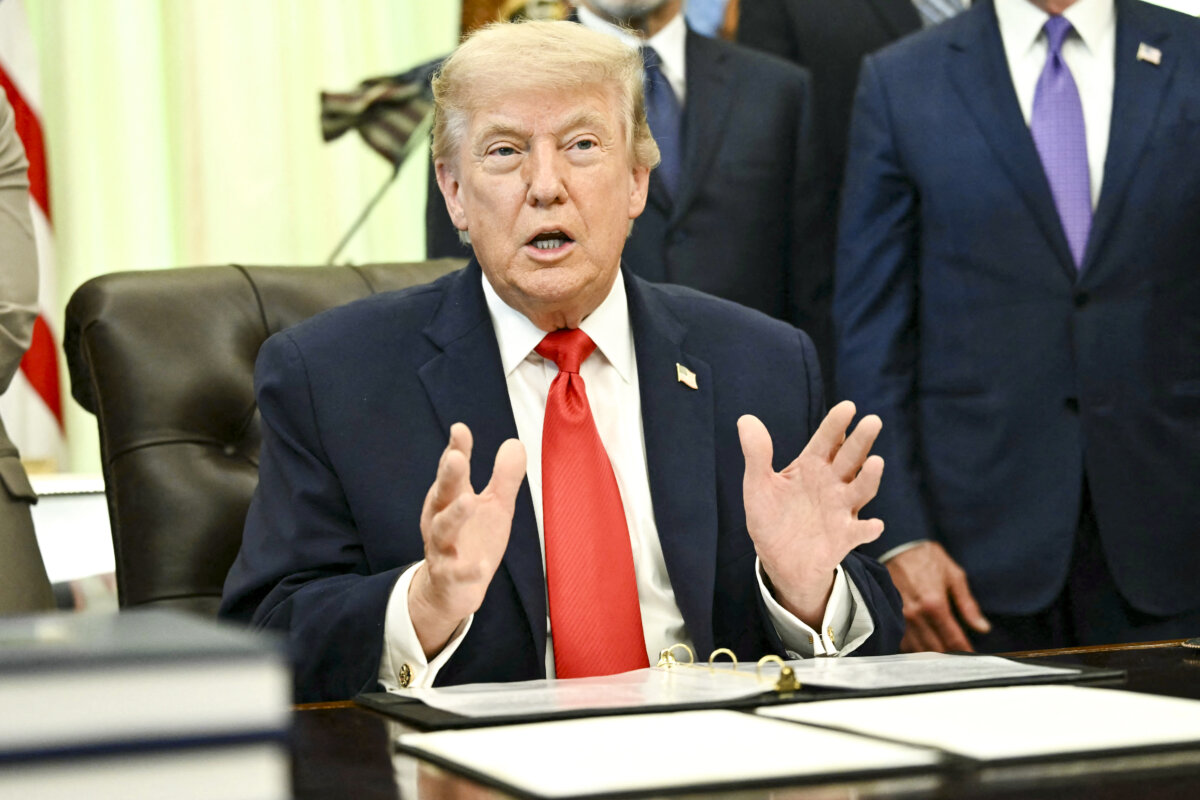

WASHINGTON—An important but controversial spy law has lapsed amid a partisan impasse over President Donald Trump’s choice of Bill Pulte as acting director of national intelligence.
Section 702 of the Foreign Intelligence Surveillance Act (FISA) was temporarily renewed in late April with an expiration date of June 12.
The authority allows agencies to gather information on foreign targets outside the United States. Its defenders stress its importance to national security amid the Iran war and the World Cup, which the United States is co-hosting.
“Failing to extend FISA Section 702 could be fatal,” Sen. Tom Cotton (R-Ark.), the chairman of the Senate Intelligence Committee, wrote on social media on June 11.
Section 702 also enables the warrantless surveillance of American citizens, raising Fourth Amendment issues that trouble lawmakers on both sides of the aisle.
“All we’re asking for is some accountability,” said Sen. Rick Scott (R-Fla.), who joined almost all Democrats and some Republicans to reject a three-year extension of FISA’s Title VII, which includes Section 702, in a vote on June 5.
That three-year extension passed the House in late April despite concerns that it failed to mandate warrants for querying of Americans.
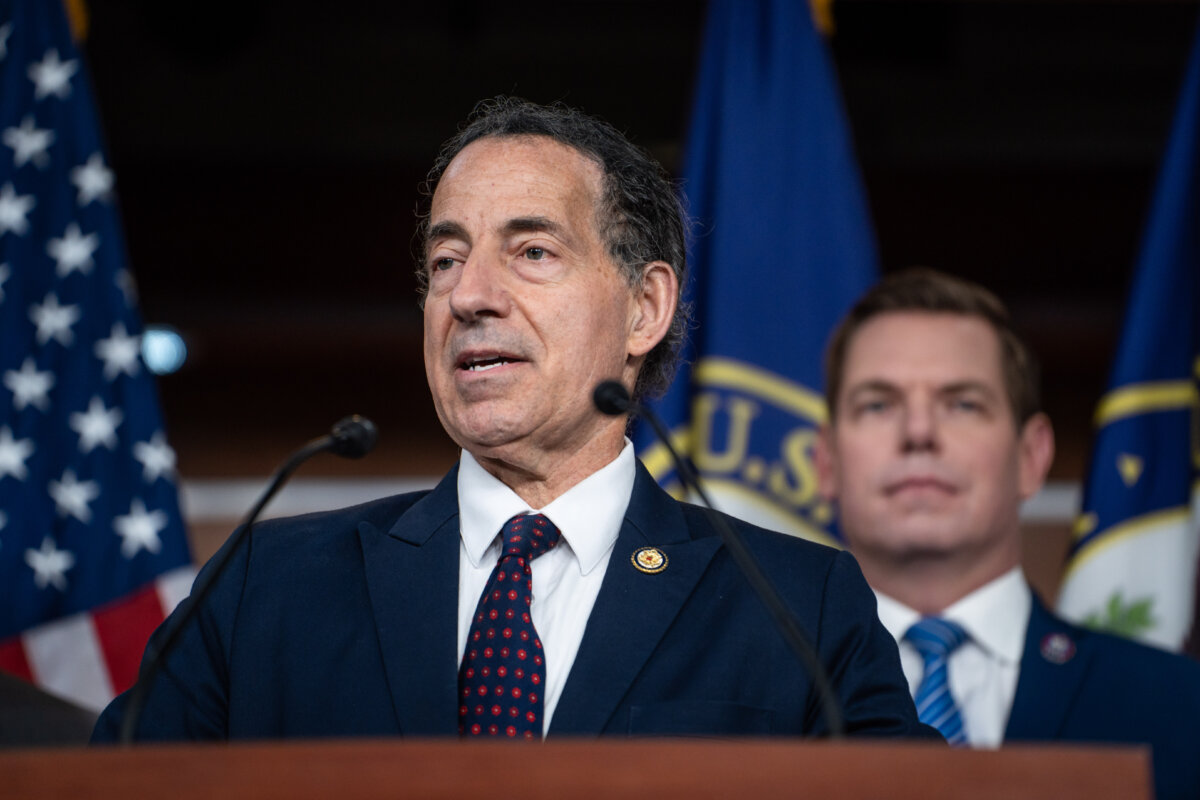
Rep. Jamie Raskin (D-Md.), ranking member of the House Judiciary Committee, voiced worries about the Trump administration’s adherence to 2024 reforms to FISA Section 702.
“We can say with some confidence that the FBI has no idea how many U.S. person queries they ran last year,” he said on the House floor on June 10.
A 2025 report from the Department of Justice’s Office of the Inspector General found that although FBI compliance in its querying procedures had improved, oversight from within and outside the agency “is nevertheless critical.”
In March, the U.S. Foreign Intelligence Surveillance Court extended Section 702 certifications for another year, meaning intelligence gathering under the authority can continue even though the authority has lapsed.
Trump’s selection of Pulte, the director of the Federal Housing Finance Agency, to serve as acting director of national intelligence following Tulsi Gabbard’s departure rankled many lawmakers in Washington. Senate Democrats and some Senate Republicans—the gatekeepers for nominees, although not for acting officials—expressed that they were not happy with the decision.
Pulte is set to replace Gabbard on June 19.
Sen. Mark Warner (D-Va.), ranking member of the Senate Intelligence Committee, quickly raised concerns about Pulte’s relevant experience after Trump announced his pick on June 2.
Similar objections helped drive Democratic opposition to the June 5 measure that ultimately failed.
On the morning of June 11, the House rejected a short-term reauthorization of Section 702. Against the backdrop of wider concerns over the Fourth Amendment, 19 Republicans joined 199 Democrats to oppose the vehicle for the renewal, which required a two-thirds majority.
Representatives then left Washington for a break that will extend until June 23.
Later that day, Cotton sought unanimous consent in a maneuver that would have temporarily extended the authority. Sen. Ron Wyden (D-Ore.), an advocate for guardrails on Section 702, objected, derailing Cotton’s effort.
“My understanding is you can’t do anything,” Wyden said, noting the House vote and the body’s subsequent departure.
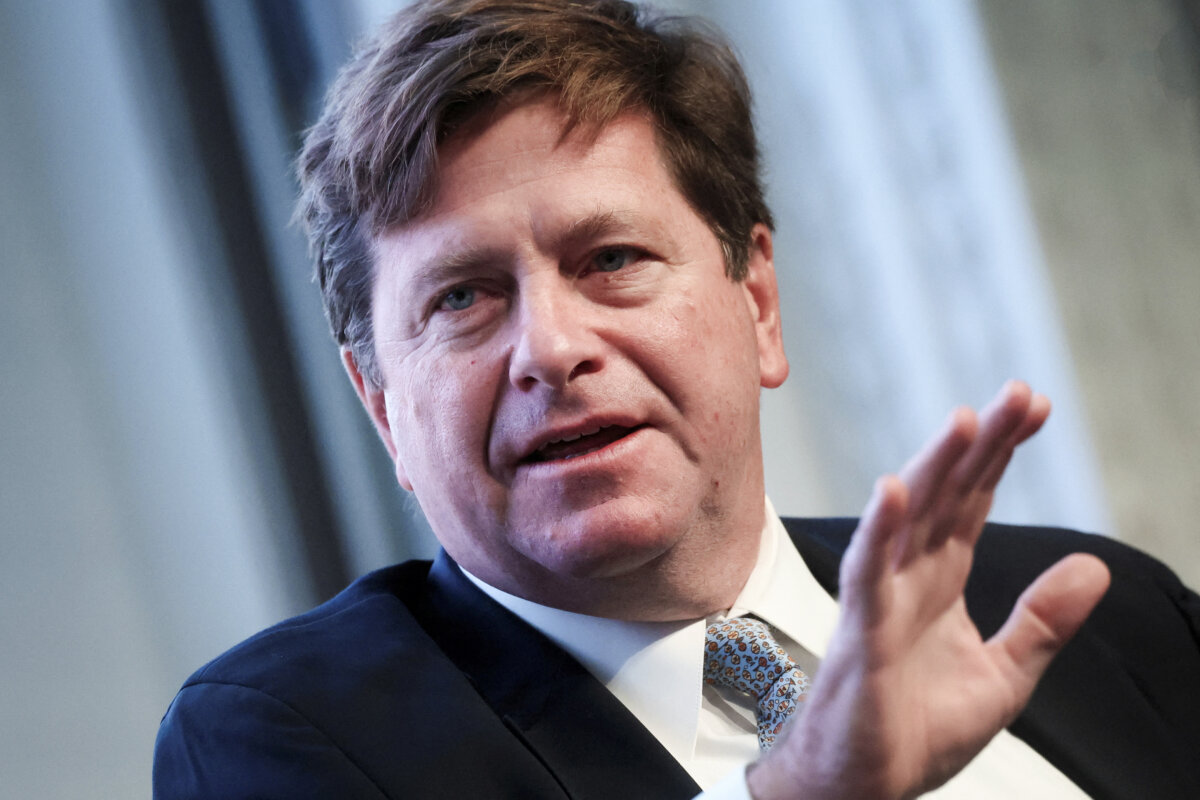
Also on June 11, Trump announced a permanent nominee for the director of national intelligence, attorney Jay Clayton.
Clayton, the U.S. attorney for the Southern District of New York and former chairman of the Securities and Exchange Commission, was met with a positive reception from Democrats and Republicans alike.
Yet news of his selection came hours after the House shot down a FISA extension and adjourned for the week, leaving little, if any, room for Congress to maneuver on the authority.
“Had this nomination been made a week ago, lots of pain might have been avoided,” Rep. Jim Himes (D-Conn.), ranking member of the House Intelligence Committee, wrote on social media in a post that praised Clayton’s “intelligence, temperament, and deep commitment to public service.”
The Senate would also struggle to confirm Clayton by June 19, the date Pulte is slated to take over Gabbard’s office.
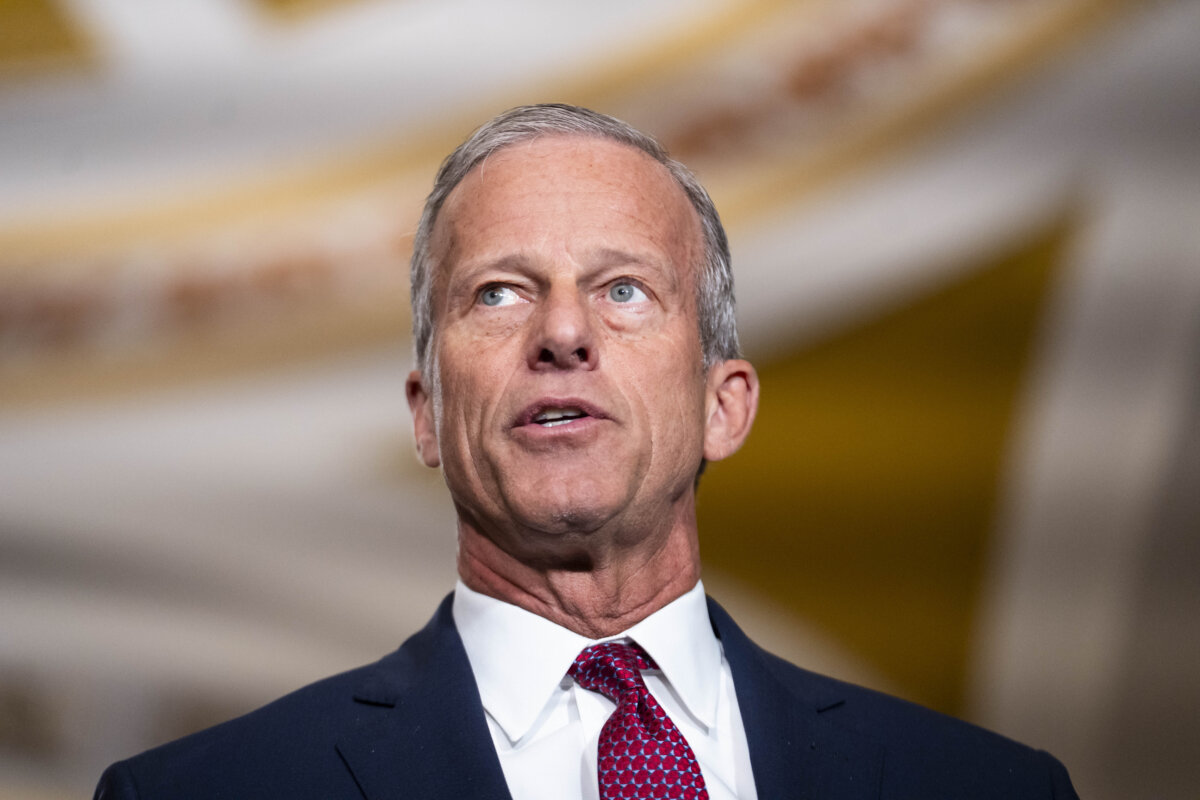
Senate Majority Leader John Thune (R-S.D.) told reporters on June 11 that he and his colleagues would be “probing the limits” of what’s realistic to get Clayton across the line by then.
Senate Democrats remain wary of Pulte’s potential ascent.
“Before the Senate can take up a FISA extension there needs to be a clear guarantee that Mr. Pulte will not serve as acting DNI,” Warner wrote in a statement about Clayton.
As the legislative branch falters, the executive could seek to bridge the gap.
On June 12, Trump told reporters he was considering using an executive order to address Section 702’s impending lapse.
“Let’s see what happens,” he said.
He also said that the authority is “very important” for the U.S. military.
 Friends Read Free
Copy
Facebook
Tweet
Friends Read Free
Copy
Facebook
Tweet