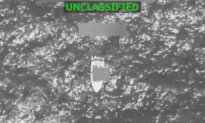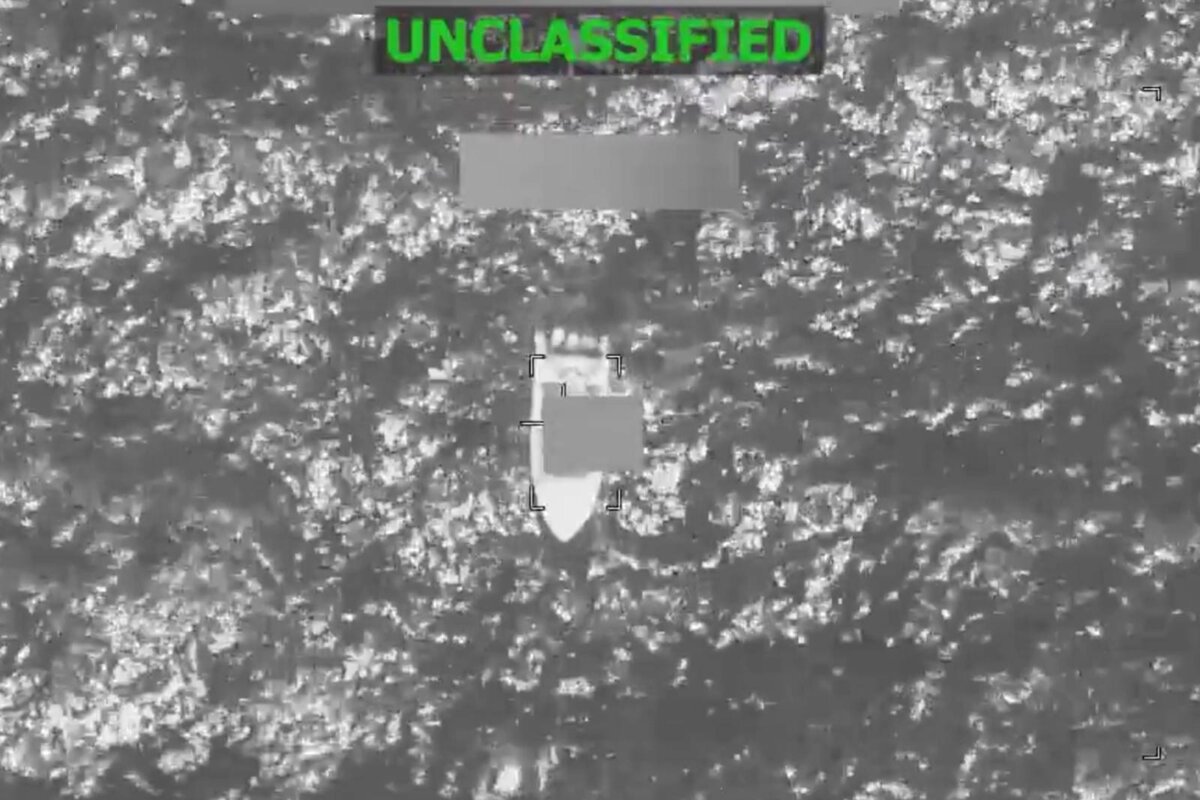

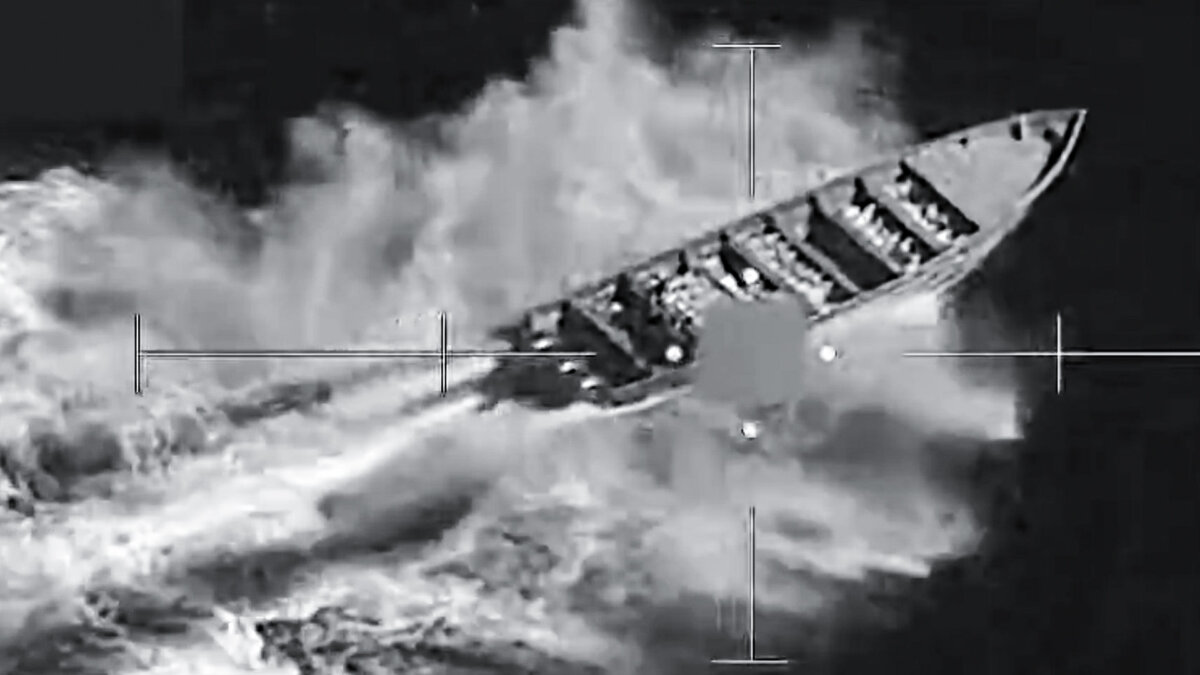
The U.S. military said it carried out a lethal strike on a vessel in the Eastern Pacific on April 15, as part of a campaign targeting maritime drug routes under the Trump administration.
In an April 16 post on X, the U.S. Southern Command (SOUTHCOM) said the targeted vessel was operated by designated terrorist organizations.
“Intelligence confirmed the vessel was transiting along known narco-trafficking routes in the Eastern Pacific and was engaged in narco-trafficking operations,” SOUTHCOM said.
The operation was conducted at the direction of Southern Command commander Gen. Francis L. Donovan. Three men, described by SOUTHCOM as “narco-terrorists,” were killed in the strike. The military said that no U.S. forces were harmed in the operation.
The April 15 strike follows a series of similar actions in recent days. SOUTHCOM said on April 14 that it had destroyed a drug-smuggling vessel in the Eastern Pacific, killing four “male narco-terrorists.”
Last week, the U.S. military said it had destroyed two drug-smuggling vessels in two strikes in the Eastern Pacific. Two alleged traffickers were killed in the first strike and three in the second. One individual survived the initial attack.
SOUTHCOM said in an April 13 post on X that it “ immediately notified U.S. Coast Guard to activate the Search and Rescue system for the survivor.”
The command described its broader strategy as applying “total systemic friction on the cartels,” a phrase used in the April 13 post to characterize efforts to disrupt trafficking networks across the region.
Since September 2025, the U.S. military has conducted dozens of such strikes in the Caribbean Sea and Eastern Pacific Ocean, targeting what officials describe as key transit routes for narcotics shipments.
Strategic Rationale
The operations stem in part from a Jan. 20, 2025, executive order signed by U.S. President Donald Trump directing his administration to designate several Latin American narcotics cartels as terrorist organizations.
The designation, published in the Federal Register on Feb. 6, 2025, includes groups such as the Sinaloa cartel, the Jalisco New Generation Cartel, Venezuela’s Tren de Aragua, and El Salvador-based MS-13.
The administration has said that these groups pose a transnational security threat. In an October 2025 memo, the White House said that the United States is in a “non-international armed conflict” with cartels in Latin America, asserting that the organizations are transnational and “conduct ongoing attacks throughout the Western Hemisphere as organized cartels.”
Officials have said the strikes are intended to disrupt supply chains and reduce the flow of drugs into the United States.
Data cited by the U.N. Office on Drugs and Crime in its 2023 global cocaine report indicated that 74 percent of cocaine moving north from South America travels via Pacific routes.
A March 2025 report by the U.S. State Department’s Bureau of International Narcotics and Law Enforcement Affairs noted that surveillance operations regularly cover a 42 million-square-mile region known as the “transit zone.”
Despite the administration’s justification, some U.S. officials have expressed skepticism about the strategy’s long-term effectiveness. During testimony before the Senate Armed Services Committee on March 17 and March 19, Donovan acknowledged limitations.
“We’ve seen changes in the narco-traffickers’ patterns,” Donovan told lawmakers. “Looking forward, senator, the boat strikes aren’t the answer.”
Critics in Congress have also raised concerns about the effects on criminal investigations.
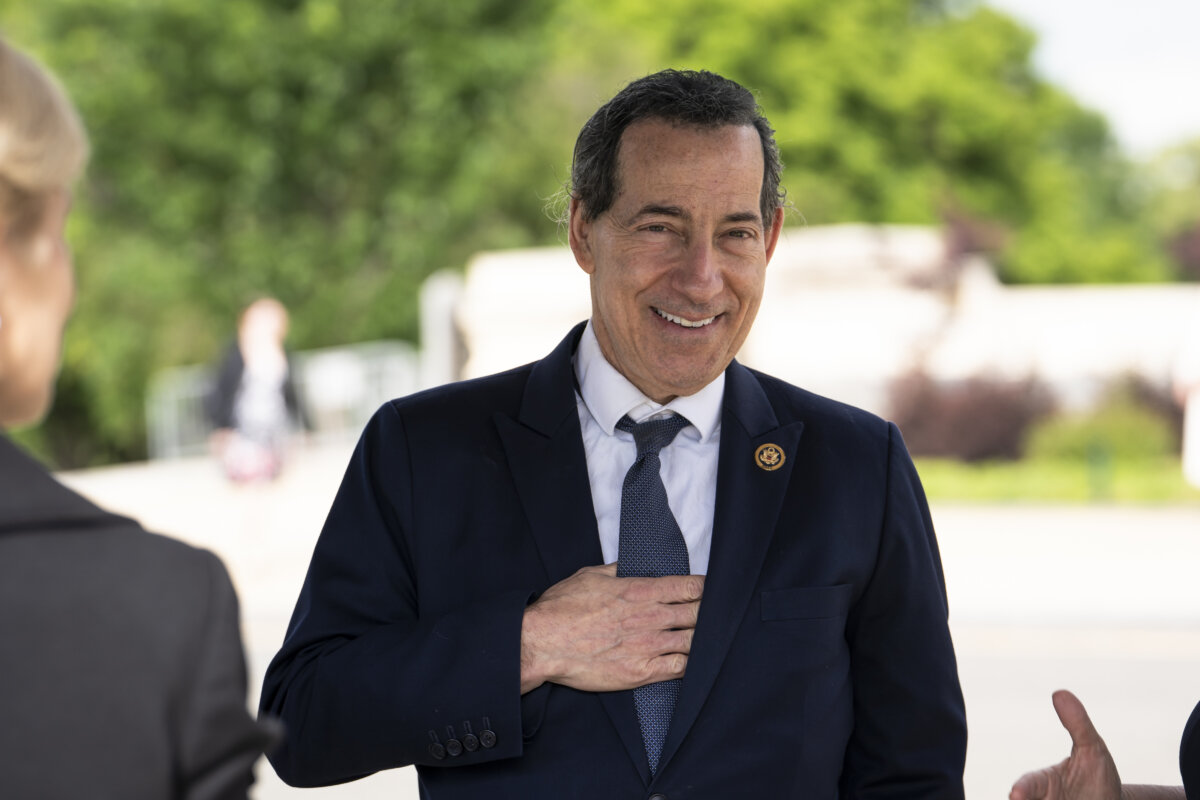
Rep. Jamie Raskin (D-Md.) said in remarks delivered in the House last month that the strikes “also fundamentally weaken [the United States’] ability to bring cases against drug kingpins,” arguing that individuals killed in the operations could otherwise provide testimony against higher-level figures.
The campaign has drawn criticism from legal experts and human rights organizations, which have questioned both its legality and its humanitarian implications.
Human Rights Watch’s Washington director, Sarah Yager, said in a March 31 statement that the strikes “aren’t one-off incidents, they’re part of a pattern of using military force where the law does not permit it, over and over again.”
In the statement, the organization urged the U.S. government to halt the operations, saying it “should immediately end this campaign of lethal strikes.” The group also called on Congress to pursue “independent investigations and accountability” if the administration does not act.
Chris Summers contributed to this report.
 Friends Read Free
Copy
Facebook
Tweet
Friends Read Free
Copy
Facebook
Tweet