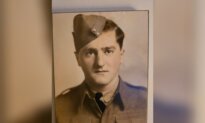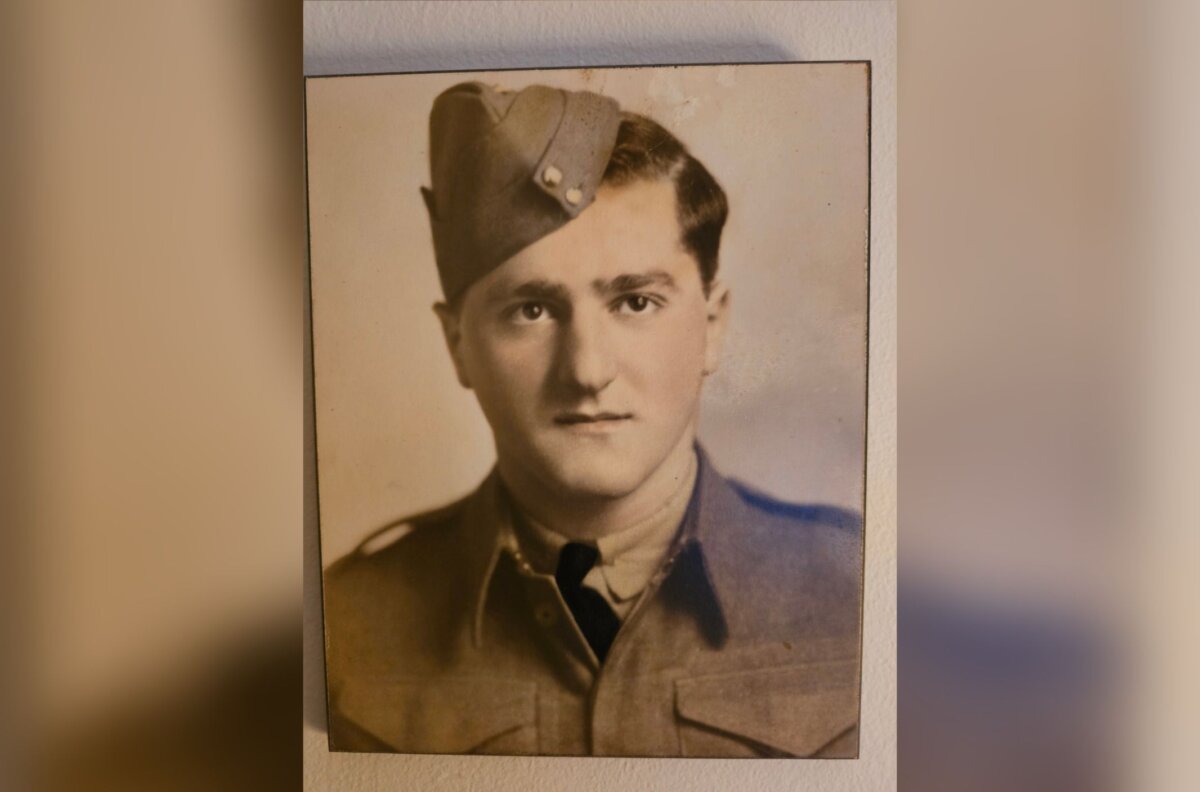

World War II veteran Emilio (Mel) Mizzi has lived most of his long and storied life in Sault Ste. Marie, Ont., but spent some of his most memorable years miles away intercepting enemy radio communications.
Mizzi was a 19-year-old working at Algoma Steel in Sault Ste. Marie when he decided to enlist in 1941.
“It was a good experience, and I was doing something for my country,” he said in a phone interview with The Epoch Times. “I liked the army and the army liked me.”
The young man spent his early days in the military working as a mechanic on vehicles. Mizzi aspired to be a paratrooper, but was turned down due to his high blood pressure. Asked why he wanted to jump out of an airplane, Mizzi joked, “Because it was quicker [to get] where you were going.”
But Mizzi would receive a special role nonetheless, when he was recruited to intercept and decrypt naval code messages radioed by the Japanese. He first took up this role with the Royal Canadian Signal Corps at No. 10 Area Signal Company in Vancouver. Later, he became one of just five orderly room personnel transferred to the No. 1 Special Wireless Group (1SWG), established in mid-1944.
The 1SWG was trained at Patricia Bay Camp near Victoria, B.C. The group relocated to Darwin, Australia, in 1945, after a long journey by boat that included stops in the United States and New Guinea. While on a troop ship there, Mizzi saw medical orderlies escort American soldiers who had escaped jungle warfare.Even then, the sick, wounded, and emaciated soldiers weren’t out of harm’s way. Mizzi heard a call for everyone to “get down” as bullets from the Japanese whizzed by.
“They were shooting over our heads and hitting the side of the boat. The [bullets] couldn’t go through it because the boat was thick,” he said.
The unit survived the encounter and moved on to Brisbane, Australia, in February 1945. In April, they made their way to Darwin and set up camp. Life at the Outback location was often tiring, boring, hot, and dirty, Mizzi recalled.
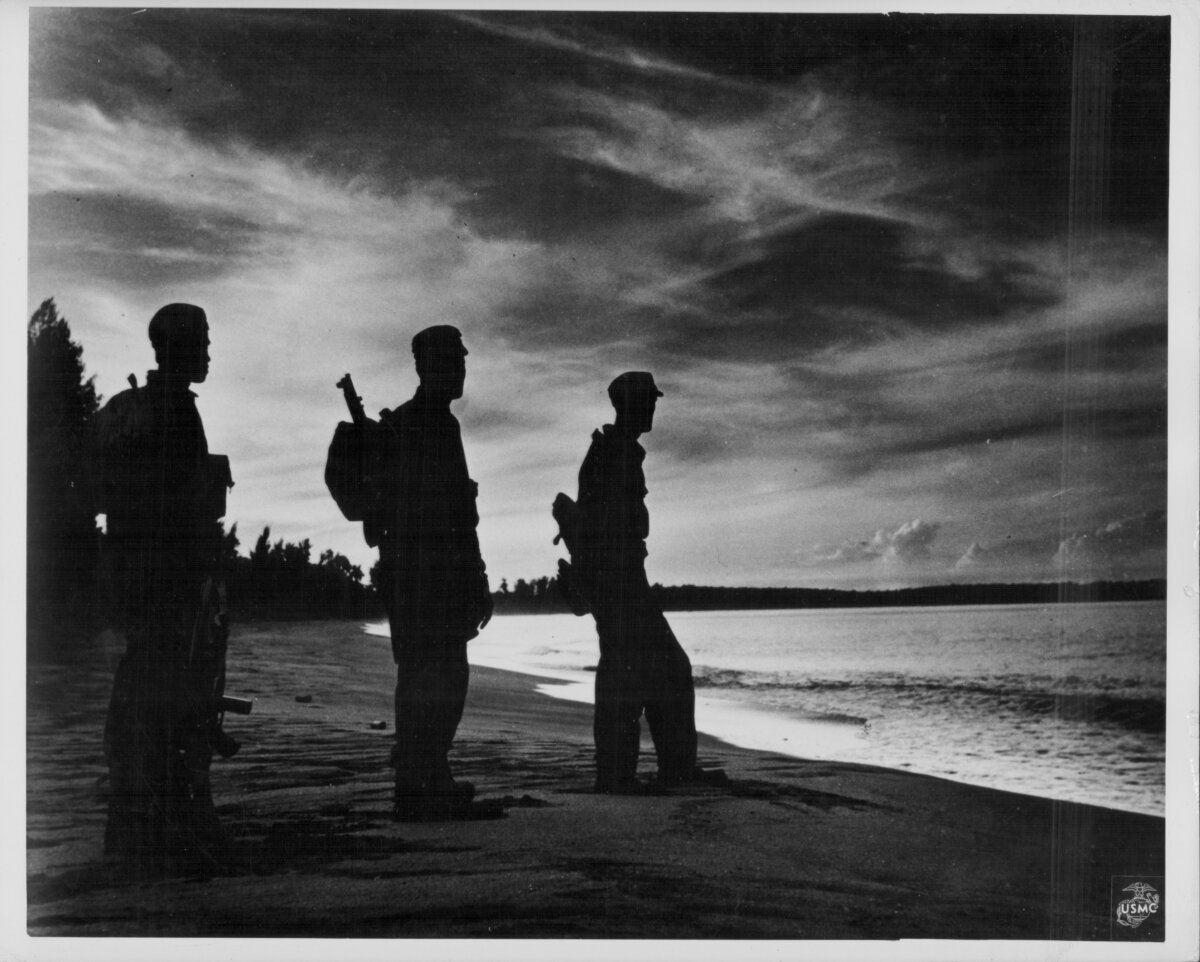
The unit was a key part of the Allied signals intelligence operation known as “Magic.” At one point, the unit processed 80,000 groups of messages per day. The decoded information was relayed to the Central Bureau in Brisbane.
The Pacific War ended after the United States dropped atomic bombs on Japan in August of 1945, prompting Japan’s surrender.
“I felt relieved and I felt happy that we were being looked after,” Mizzi said. He said if the Axis had won the war, freedom would have vanished.
“Oh my, you wouldn’t have been able to walk the streets,” he said.
The group remained in Australia for a few more months, mainly monitoring diplomatic radio traffic. Discipline relaxed somewhat when the war ended.
On one occasion, Mizzi was sent to drive two soldiers to detention for misbehaving. They had some drinks together before Mizzi drove them—or at least tried to. Unfortunately, he rolled the jeep, but was helped by some fellow soldiers.
A commanding officer scolded him the next day, saying, “Mizzi, you’re lucky we’re going home because if we weren’t, you’d be in jail!”
Coming Home
In February 1946, Mizzi left Australia and returned to Sault Ste. Marie. He hoped to reunite with Marion Lajoie, a girl he fell in love with before he enlisted. He had not been allowed to write her during the war because his unit’s existence was classified.
“It was supposed to be secret. Nobody was supposed to know that we were there working,” he said.
But Lajoie, four years Mizzi’s junior, had given up on him and moved to Toronto. Not one to admit defeat easily, Mizzi looked for her in Toronto and finally tracked her down at a bowling alley on a tip from a mutual acquaintance. The couple married in the summer of 1946, and raised four children in the Sault.
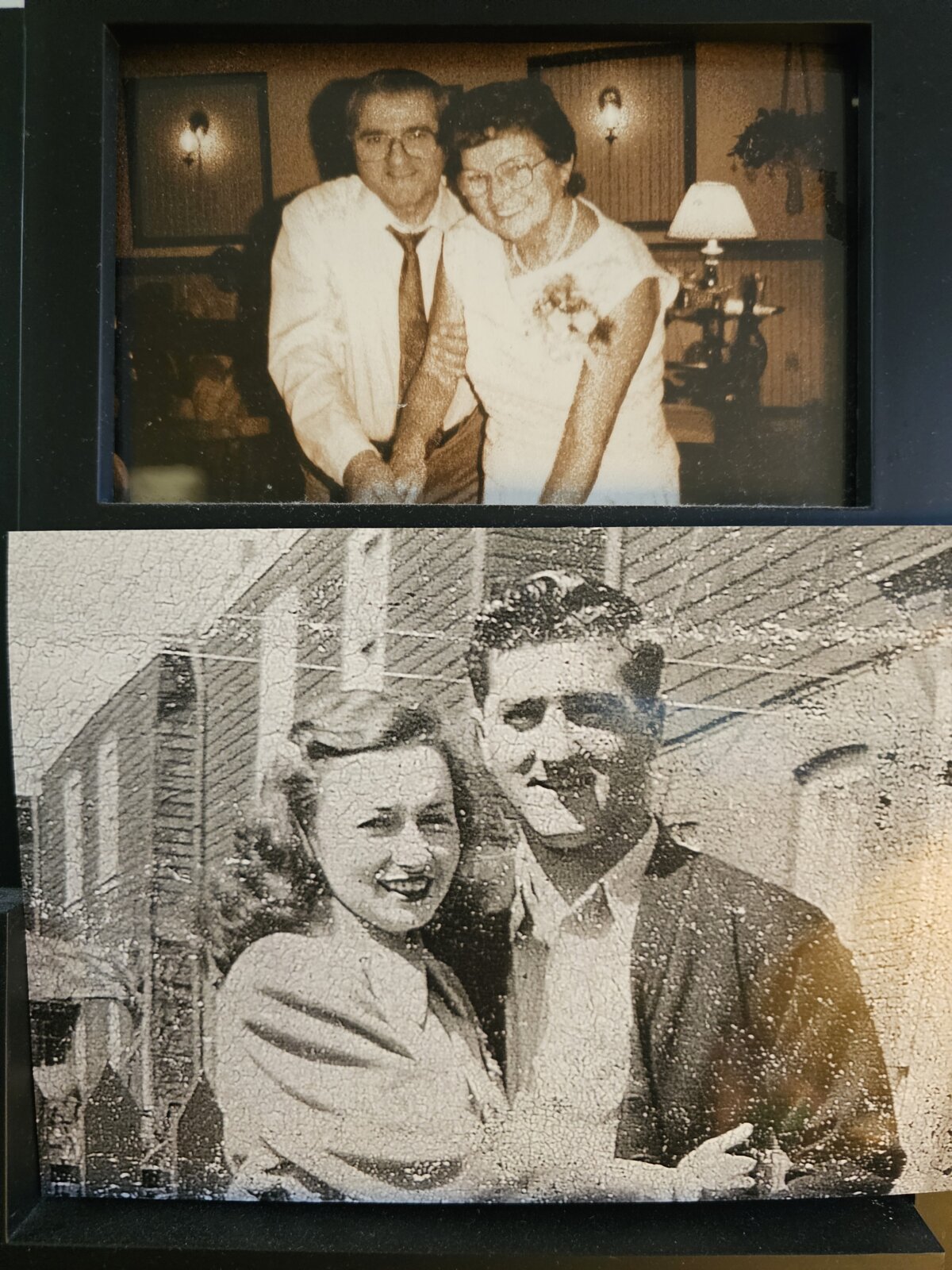
In the early 1950s, Mizzi opened his own mechanic shop, Mel’s Auto. His wife died in 2004, and he continued to work at the shop after his sons Leonard and Patrick took over.
“At 99, I made him stop working,” Mizzi’s daughter Christine Marasco said in an interview. “He would still go in and book appointments and answer the phone. He drove to the bank for them just about every day.”
Declassified
Documentation of 1SWG was classified for decades under the Official Secrets Act, and Mizzi was forbidden to speak of it until these restrictions were lifted.
“Growing up, we just figured my dad didn’t want to talk about the army. He just never ever said too much, and then we found out he was sworn to secrecy,” Marasco said.
The unit’s exploits were finally laid out in a 2001 book by author Gil Murray, “The Invisible War: the Untold Secret Story of Number One Canadian Special Wireless Group.” Murray served in 1SWG and later became a journalist.
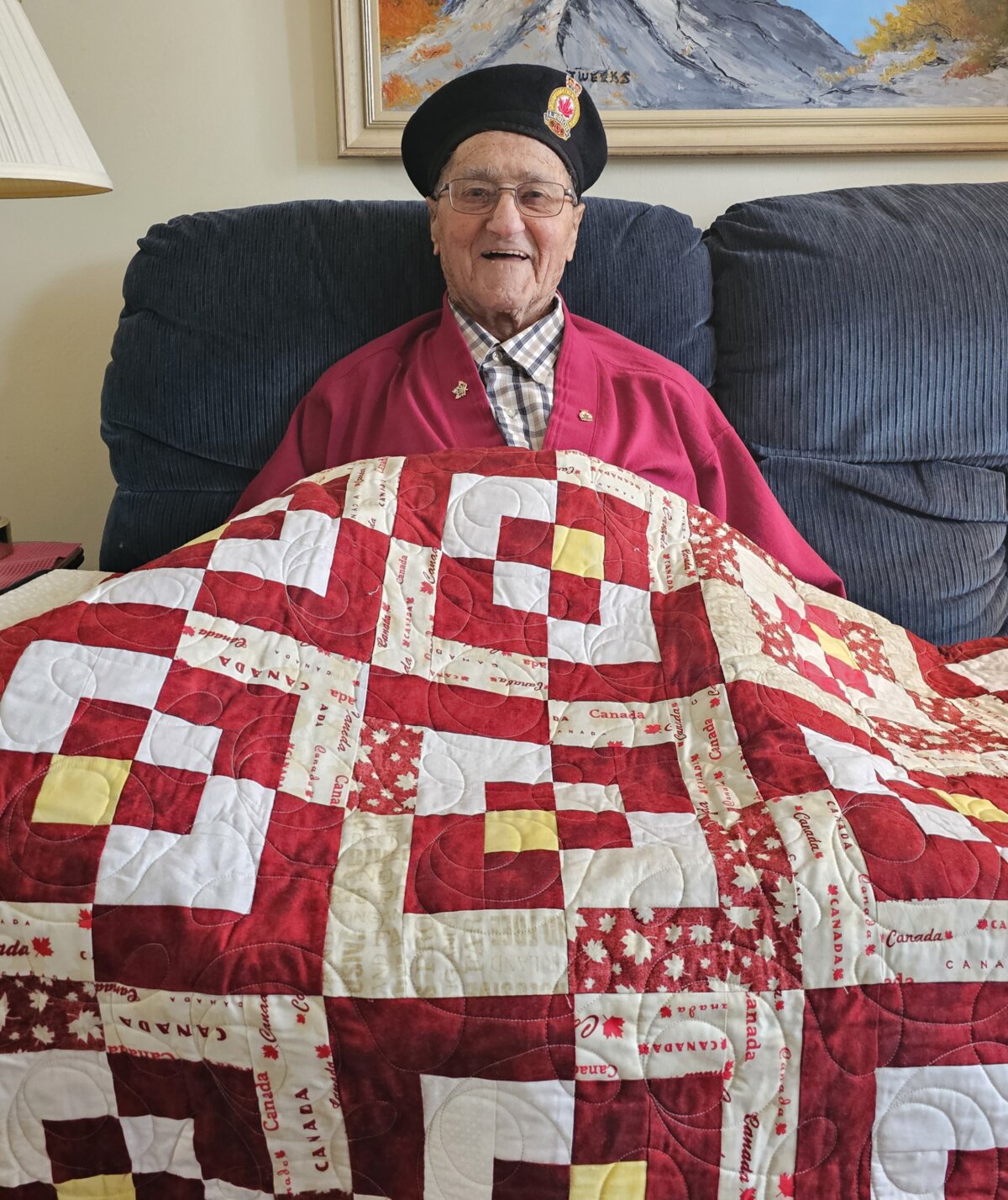
Only recently did Mizzi request to receive the war medals he was due. At a ceremony at the Royal Canadian Legion Branch 25 on Feb. 21, the 102-year-old received the Canadian Volunteer Service Award and the War Medal, presented to him by Sault Ste. Marie Mayor Matthew Shoemaker.
On March 29, Mizzi was one of six veterans from the Sault, each over 100 years old, who received the King Charles III Coronation Medal, presented by MP Terry Sheehan. The medal is awarded to individuals who have made a significant contribution to Canada or to a particular province, territory, region, or community of the country.
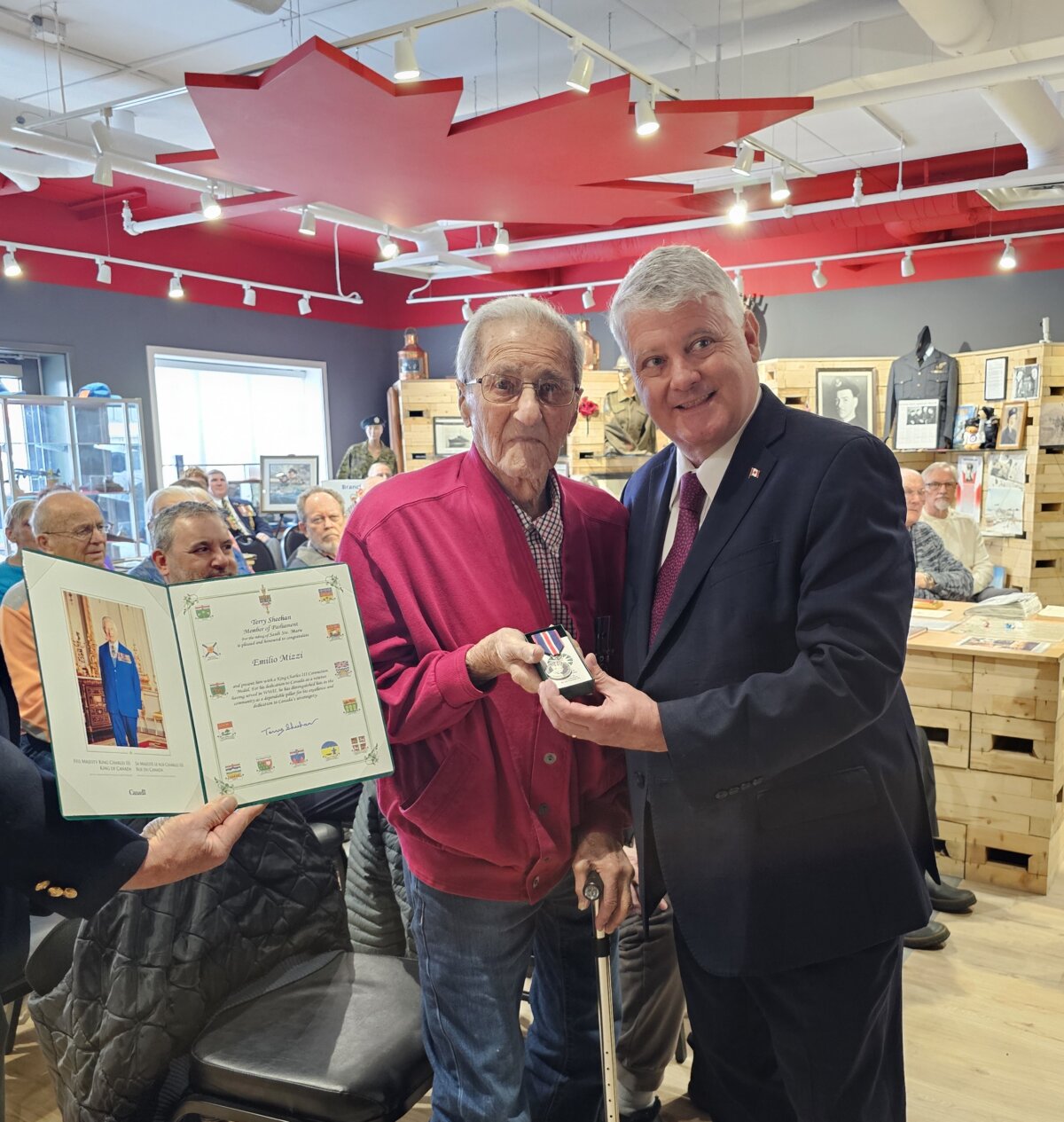
The veterans still call each other “brother.”
“I still feel close” to them, Mizzi says, “and I respect them very much.” He says Remembrance Day is a “very good” occasion for Canadians to “remember where I was and what I did.”
Marasco said these “pretty amazing” veterans gained a long life through a positive outlook. “They’re witty. Their attitudes are upbeat, and maybe that’s what it is—you keep a good attitude,” she said.
Mizzi has been a member of the Legion for 58 years, and Marasco recently decided to honour him by joining as well.
“I joined the Legion this year myself. I want to carry on for my dad after and I want to volunteer,” she said.
 Friends Read Free
Copy
Facebook
Tweet
Friends Read Free
Copy
Facebook
Tweet