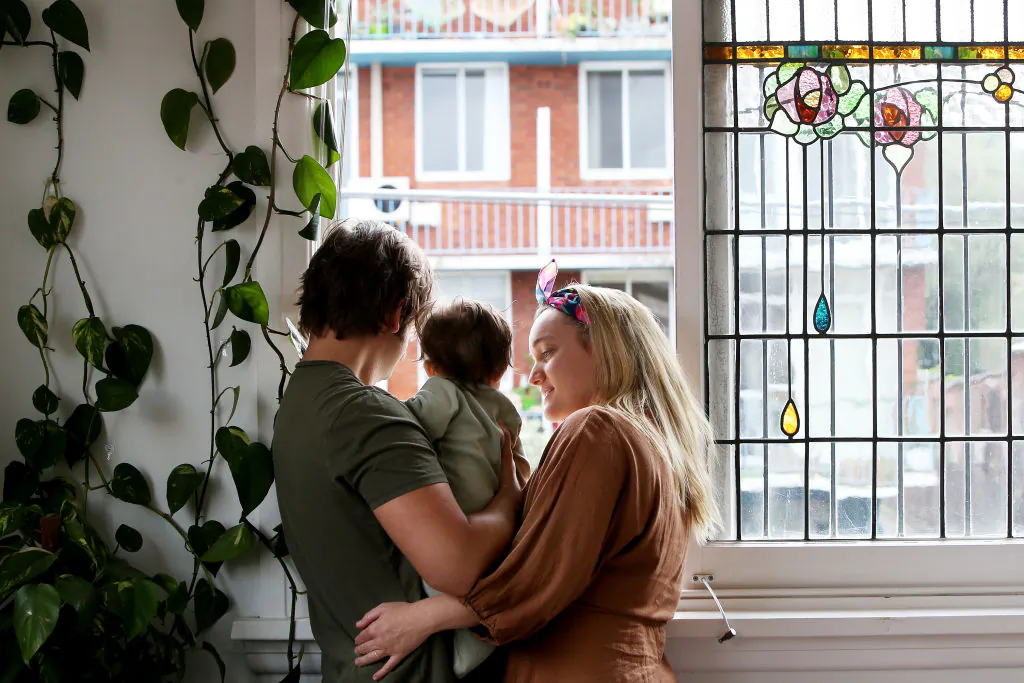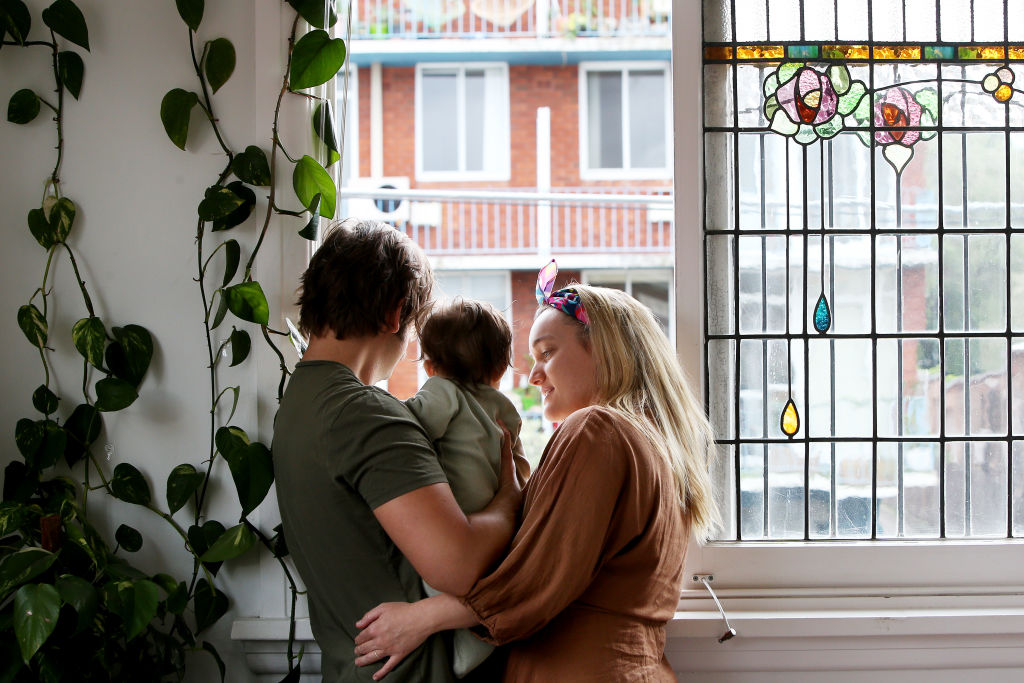

Australia is in the midst of a baby recession, with some experts attributing the record low birth rate to the cost-of-living pressures.
An analysis by KPMG Australia shows the country’s fertility rate fell by 4.6 percent yearly, while the number of births in 2023 was the lowest since 2006.
In 2023, 289,100 babies were born in Australia, a significant drop from the 2021 post-lockdown baby boom, which saw 315,200 babies born.
This came amid the backdrop of a long-term decline in the total fertility rate, from over two children per woman in 2008 to 1.6 in 2023.
KPMG Urban Economic Terry Rawnsley said the country hasn’t seen “such a sharp drop in births” since the period of economic stagflation in the 1970s, which coincided with the initial widespread adoption of the contraceptive pill.
Major City Breakdowns
The decline in births is more pronounced in the capital cities. In Sydney, 60,860 babies were born in 2019, down 8.6 percent from the previous year.
Meanwhile, 56,270 babies were born in Melbourne in 2022, a drop of 7.3 percent compared to four years ago.
Perth recorded 25,020 births in 2023, down 6 percent from 2019, while Brisbane saw 30,250 births, down 4.3 percent.
Canberra was the only capital city to experience no birth decline in 2019, holding steady at 5,530 in 2019 and 2023.
On the other hand, Tasmania was the only region to experience a noticeable rise in births, up 2.1 percent on 2019 data.
Most regional areas saw only modest declines in births compared to four years ago, with regional New South Wales declining 0.3 percent, regional Victoria declining 0.4 percent, and regional Queensland dropping 2.9 percent.
“Births across most regions have returned to pre-pandemic levels as the baby boom driven by younger Australians shifting to the regions ran out of steam,” Mr. Rawnsley said.
Impact Of Weak Economic Growth
Mr. Rawnsley explained that the current cost-of-living crisis is having a powerful impact on Australia’s birth rates.
This followed the uncertainty of pandemic lockdowns, which saw people who had held off having children decided to start families.
During the pandemic, the record-low unemployment rate and the stimulus money that flowed into the economy had “encouraged people to start having children again,” he noted.
“With the current rise in living expenses applying pressure on household finances, many Australians have decided to delay starting or expanding their families,” he said.
“This combination of the pandemic and rapid economic changes explains the spike and subsequent sharp decline in birth rates we have observed over the past four years.”
Meanwhile, University of Melbourne business and economics professor Mark Wooden said the housing crisis was the primary factor behind the plummeting birth rate.
“When you’re thinking about kids, I don’t think you’re really that worried about whether the cost of bananas or apples went up that month,” Mr. Wooden told AAP.
“But when house prices are high, you don’t say ‘oh well they’ll fall next week’, no they don’t.”
At the same time, electricity prices increased by 23 percent in the three months to June 30 compared to the same period last year.
According to the Australian Bureau of Statistics, the total fertility rate for all Australian women was 1.63 births per woman in 2023. Meanwhile, for Aboriginal and/or Torres Strait Islander women, the total fertility rate was 2.35 births per woman.
Globally, the total number of births per woman has plunged from 5.3 in 1963 to 2.3 in 2022, World Bank data showed.
AAP contributed to this article.
 Friends Read Free
Copy
Facebook
Tweet
Friends Read Free
Copy
Facebook
Tweet