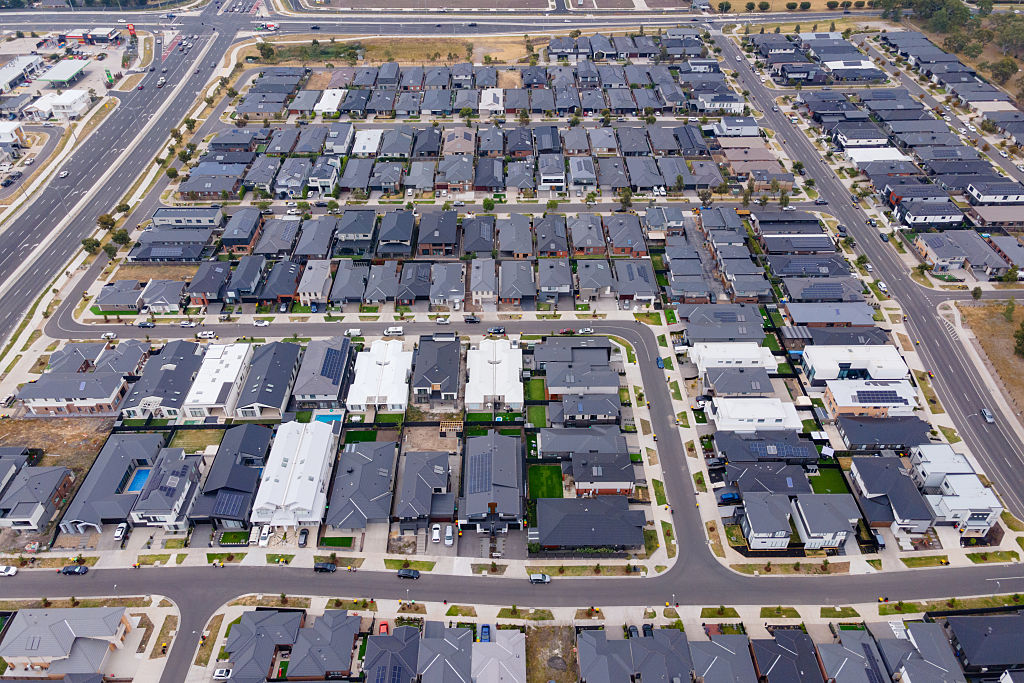

Australians now own $12.3 trillion (US$8.8 trillion) worth of residential real estate after the value of homes rose by $384.8 billion or 3.2 percent in the December quarter of 2025, according to figures released today by the Australian Bureau of Statistics (ABS).
The mean price of residential dwellings rose in all states and territories, led by Western Australia (7.5 percent or $70,500), Queensland (4.8 percent or $48,800) and South Australia (4.5 percent or $40,800).
Western Australia became the third state—after New South Wales and Queensland—to reach a mean house price of over $1 million. It was also an outlier in new construction, being the only state besides Tasmania not to record a decline in new home approvals in January compared with the previous month.
Mish Tan, ABS head of finance statistics, said Australian dwelling prices had experienced 13 quarters of consecutive growth since September 2022 and attributed the December quarter’s growth to rising property prices as the national mean dwelling value increased 2.7 percent ($28,700) to $1.07 million.
State and territory results varied widely, with Western Australia, Queensland, and the Northern Territory outpacing the rest in price rises over the quarter.
Annually, dwelling prices in Western Australia have risen faster than in any other state or territory, rising 19.3 percent to $1.01 million since the December quarter of 2024.
New South Wales retained the title of the most expensive place in Australia to buy a house, with a mean price of $1,301,100, while the Northern Territory maintains the lowest mean price at $580,000.
The number of residential dwellings rose by 54,100 to 11,452,200 nationwide in the quarter, but the rate of increase appears to be slowing.
In January this year, the total number of dwellings approved nationally fell by 7.2 percent to 14,564. That reduction was attributed to a significant drop in approvals for dwellings other than houses (down 24.5 percent to 4,393), while approvals for freestanding houses rose by 1.1 percent to 9,753.
This is the second consecutive fall in approvals for private dwellings excluding houses, following a 30.7 percent drop in December 2025.
Again, Western Australia displayed a strong housing market, with approvals up 11.5 percent to reach the highest level since May 2021. In contrast, South Australia had the largest fall, down 8.9 percent.
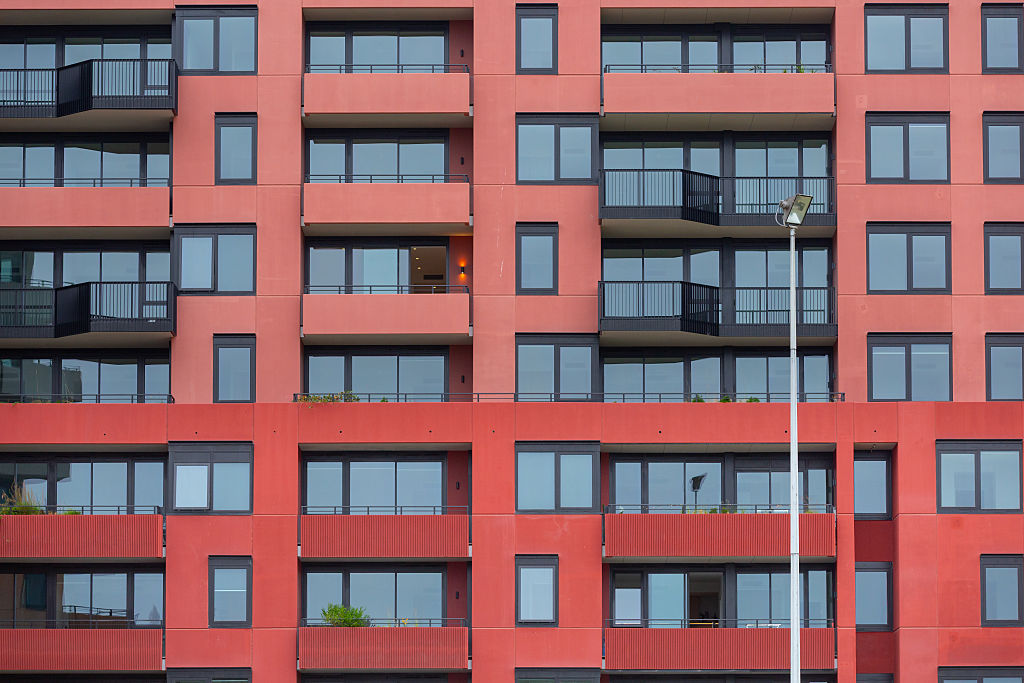
Meanwhile, approvals for apartments fell by nearly half to 1,819, representing a larger drop than in December 2024 and sitting 60.1 percent below the level recorded a year earlier.
Townhouse approvals also fell in January, down 39.2 percent to 1,684, following a 3.5 percent decrease in the previous month.
 Friends Read Free
Copy
Facebook
Tweet
Friends Read Free
Copy
Facebook
Tweet