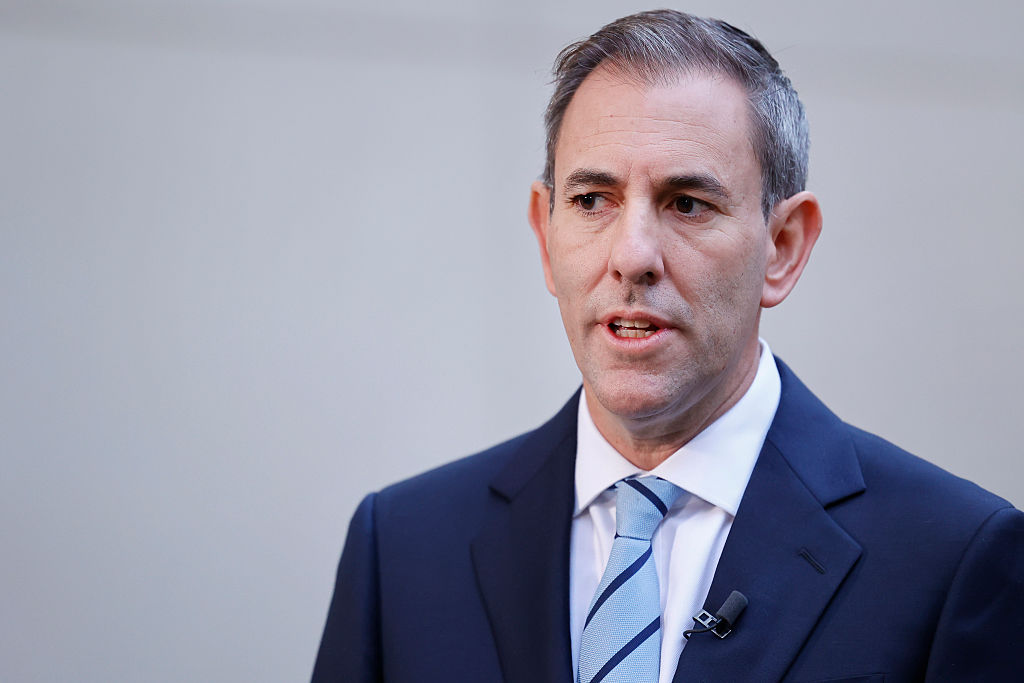

Treasurer Jim Chalmers has said Australia needs “responsible levels” of migration to support an ageing population in the coming decades.
This comes as the latest Intergenerational Report forecasts deaths to outnumber births by the 2060s for the first time, driven by a range of factors.
“I think it’s really clear—any objective observer of the ageing of our population and falling fertility rates, and the way that our economy is likely to play out over the coming decades, any objective observer would conclude that we need responsible levels of migration robustly managed—that’s what we’re doing,” Chalmers told the Australian Broadcasting Corporation.
The Treasurer noted that the fertility rate was falling faster than anticipated because “people were choosing to have smaller families later in life.”
However, he argued that it is not the government’s job to tell people how many children they should have.
“I’m a bit different to [former Treasurer] Peter Costello in the sense that I don’t tell people how to make choices about how many kids they have, I see that as a deeply personal decision,” Chalmers said.
“But migration is really key here too, and migration is a force for good in our economy and in our society so long as it’s well managed, robustly and transparently managed.”
Chalmers’ comments about Costello refer to the former federal treasurer, who said during the Howard government’s 2004 federal budget that Australians should “have one for Mum, one for Dad, and one for the country.” Costello introduced a baby bonus for new parents at the time.
On migration growth, Chalmers said net overseas migration was already down almost 50 percent from its recent peak.
“We will continue to make the case for getting that net overseas migration down in the most responsible way that balances all of the key considerations in our economy and in local communities,” he said.
According to the Intergenerational Report, the Australian population is forecast to reach 39.3 million by 2066, revised down from the previous report’s estimate of more than 40 million.
It also projects that the economy will more than double in size over the next 40 years, with income per capita 55 percent higher by 2065–66.
 Friends Read Free
Copy
Facebook
Tweet
Friends Read Free
Copy
Facebook
Tweet