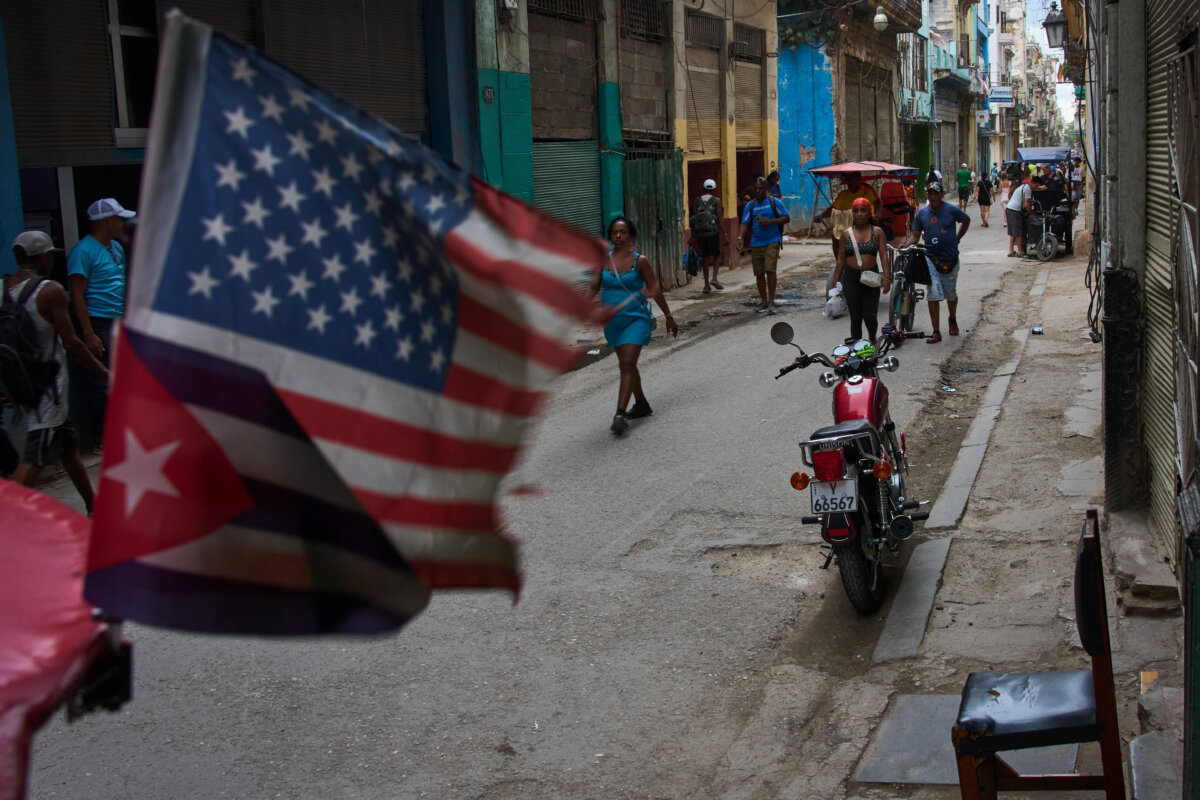

Cubans protested across parts of Havana on July 7 after a nationwide power failure left millions without electricity, as authorities worked to reconnect the country’s grid and diplomats clashed at the United Nations over the island’s worsening energy crisis.
Residents gathered in several neighborhoods of the capital during the evening, banging pots and pans, honking car horns, and chanting “turn on the lights” as electricity remained unavailable in many areas.
The demonstrations followed the collapse of Cuba’s national electricity system on July 6, which left the island’s population of about 10 million without power for a third time this year amid a prolonged economic crisis.
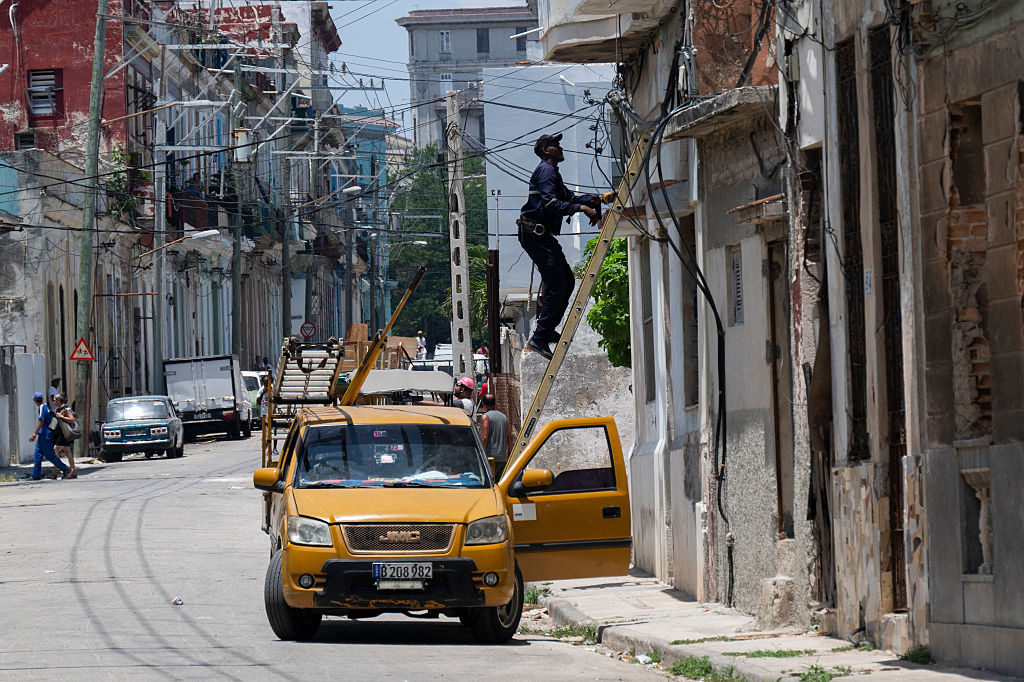
State-owned grid operator Unión Eléctrica de Cuba stated on July 7 that engineers had restored a continuous connection stretching from the western province of Pinar del Río to Holguín in eastern Cuba.
Despite that progress, Santiago de Cuba, the country’s second-largest city, remained disconnected from the national grid and continued to experience a complete power outage, according to authorities.
Cuban Minister of Energy and Mines Vicente de la O Levy said on July 7 that restoration work was continuing under established operating procedures.
In a July 7 post on X, the minister said the electrical system had been linked from Havana to Sancti Spíritus and that crews had begun restarting generating units at the CTE “Céspedes” power plant, with the next priority being to reconnect Felton.
“What an intense workday early this morning,” de la O Levy said. “The work of our electrical workers does not stop.”
Energy Crisis
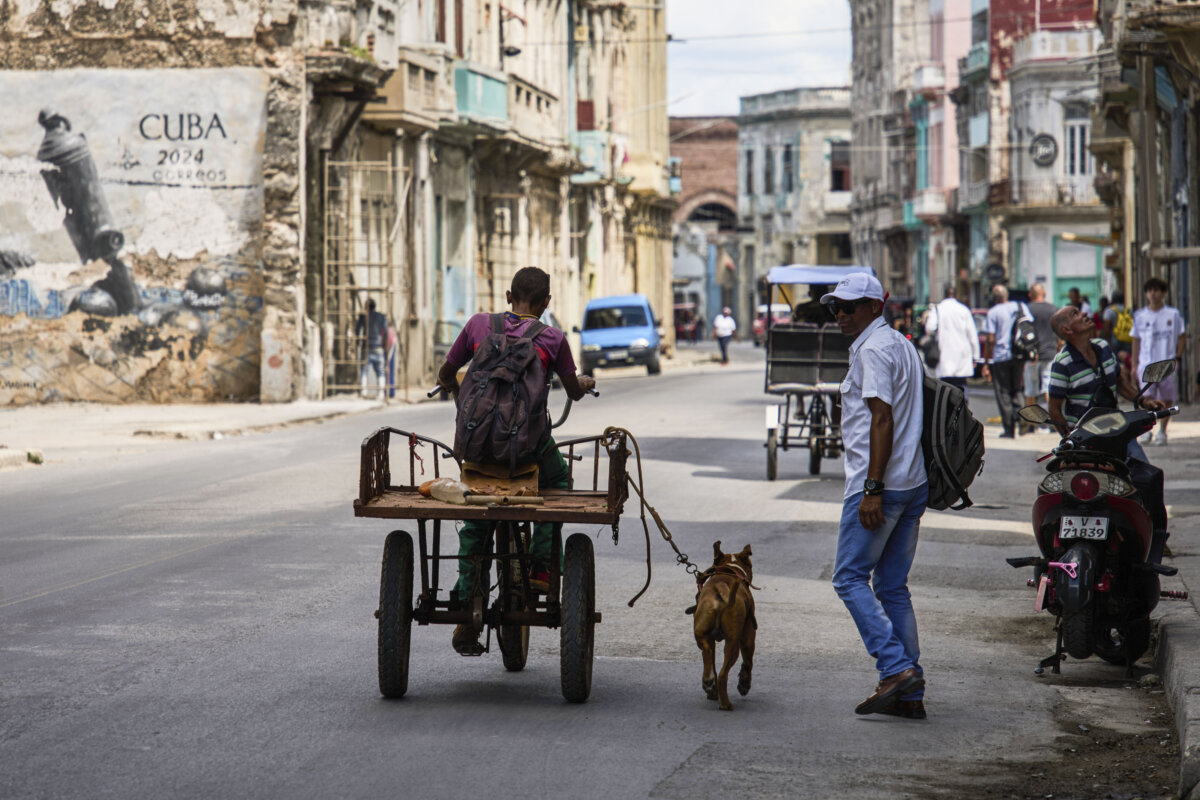
The latest blackout comes as Cuba faces mounting pressure from aging infrastructure, fuel shortages, and a worsening economic crisis.
Energy shortages intensified after the United States tightened restrictions on oil shipments from Venezuela, Cuba’s main fuel supplier, following measures introduced by U.S. President Donald Trump in January.
The reduced fuel supply has made it increasingly difficult for Cuba to operate its aging power plants, contributing to rolling blackouts and shortages of medicines, food, and other basic goods.
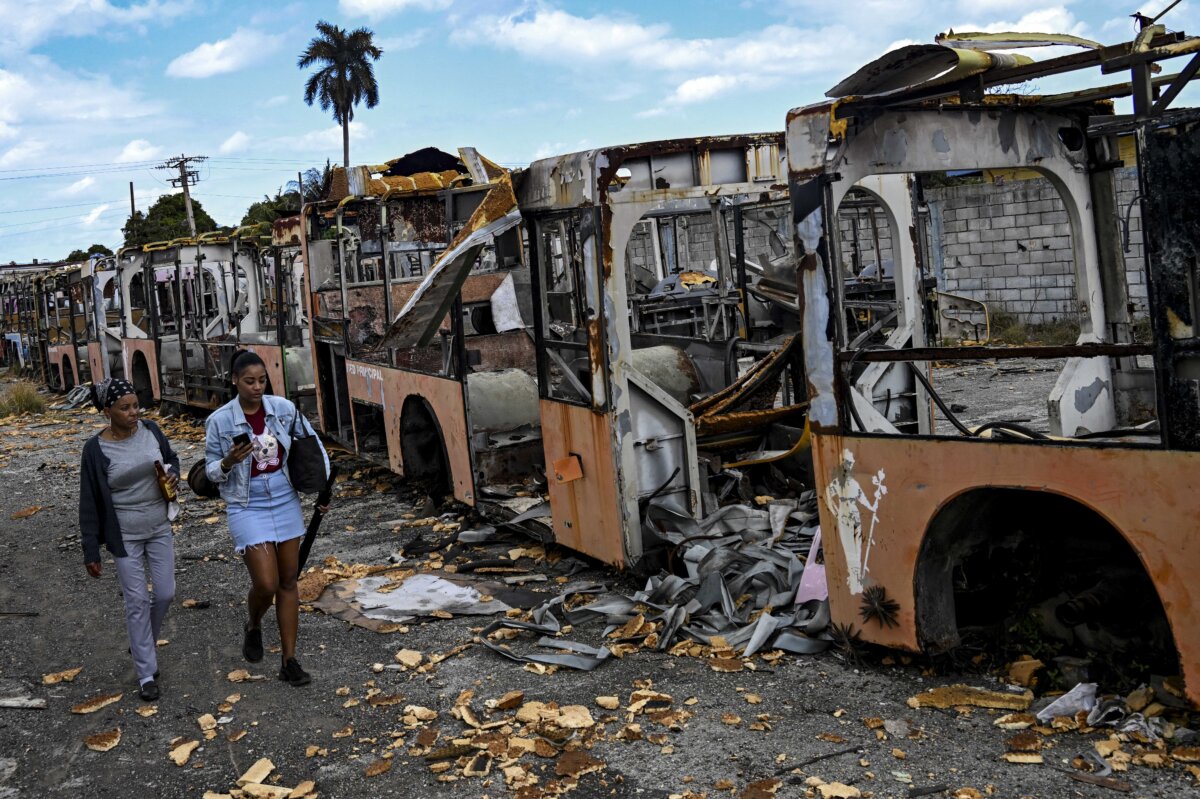
Public frustration has also grown as repeated electricity failures have disrupted daily life.
U.S. Secretary of State Marco Rubio announced new sanctions in June against Cuba’s state-owned energy company, Unión Cuba-Petróleo, under Trump’s May 1 executive order. Rubio said Cuba’s communist leadership had “weaponized energy as a tool of social control and kleptocratic profit.”
U.N. Debate
The power crisis also dominated discussions on July 7 at the U.N. General Assembly.
U.S. Ambassador to the U.N. Michael Waltz said Cuba’s leaders, rather than sanctions, were responsible for the country’s problems.
He said that despite reports of widespread blackouts, “there always seems to be enough power for the Cuban dictatorship.”
Waltz said that there was enough electricity for “the Cuban propaganda shop” to “clip and post and translate their lies they’re spreading in this body, once again, around the world.”
Waltz urged Cuban authorities to “change your ways, turn the lights back on for your people.”
Referring to the anti-government demonstrations of July 11, 2021, he said thousands of Cubans had demanded freedom and accused the government of imprisoning about 800 protesters after the demonstrations.
“Communism never worked,” Waltz said. “It doesn’t work, and it will not work.”
During his remarks, Cuba’s foreign minister interrupted proceedings to object, calling the U.S. ambassador “a liar” and asking the General Assembly president to intervene.
African, Caribbean Nations Call for Relief
Several countries argued that U.S. sanctions have worsened Cuba’s humanitarian situation.
Issa Konfourou of Mali, speaking on behalf of the African Group on July 7, said that conditions had “worsened gravely” since October 2025, when 165 member states voted in favor of urging the United States to end the embargo.
He said Washington had expanded pressure by imposing measures targeting Cuba’s energy sector, arguing that “no difference between two states can justify the collective punishment of an entire people.”
Ericq Pierre, Haiti’s ambassador speaking on behalf of the Caribbean Community (CARICOM), said the worsening economic and social conditions had created a growing humanitarian crisis.
He said Cuban civilians must remain the highest priority and called for practical steps to reduce suffering.
Pierre also urged both Havana and Washington to pursue constructive dialogue while encouraging Cuban authorities to adopt additional measures to improve living conditions.
The European Union stated on July 7 that U.S. sanctions continue to harm ordinary Cubans but stressed that Cuba’s worsening crisis cannot be blamed on the embargo alone.
Stavros Lambrinidis, head of the EU delegation to the U.N., said Cuba urgently needs meaningful political and economic reforms.
“The EU reaffirms its support to dialogue and a diplomatic solution between the US and Cuba, grounded in international law, including the principles of the UN Charter,” he said. “But let us be equally clear: humanitarian support alone will not solve Cuba’s crisis. Important sovereign decisions can no longer be postponed.”
Reuters and Jill McLaughlin contributed to this report.
 Friends Read Free
Copy
Facebook
Tweet
Friends Read Free
Copy
Facebook
Tweet