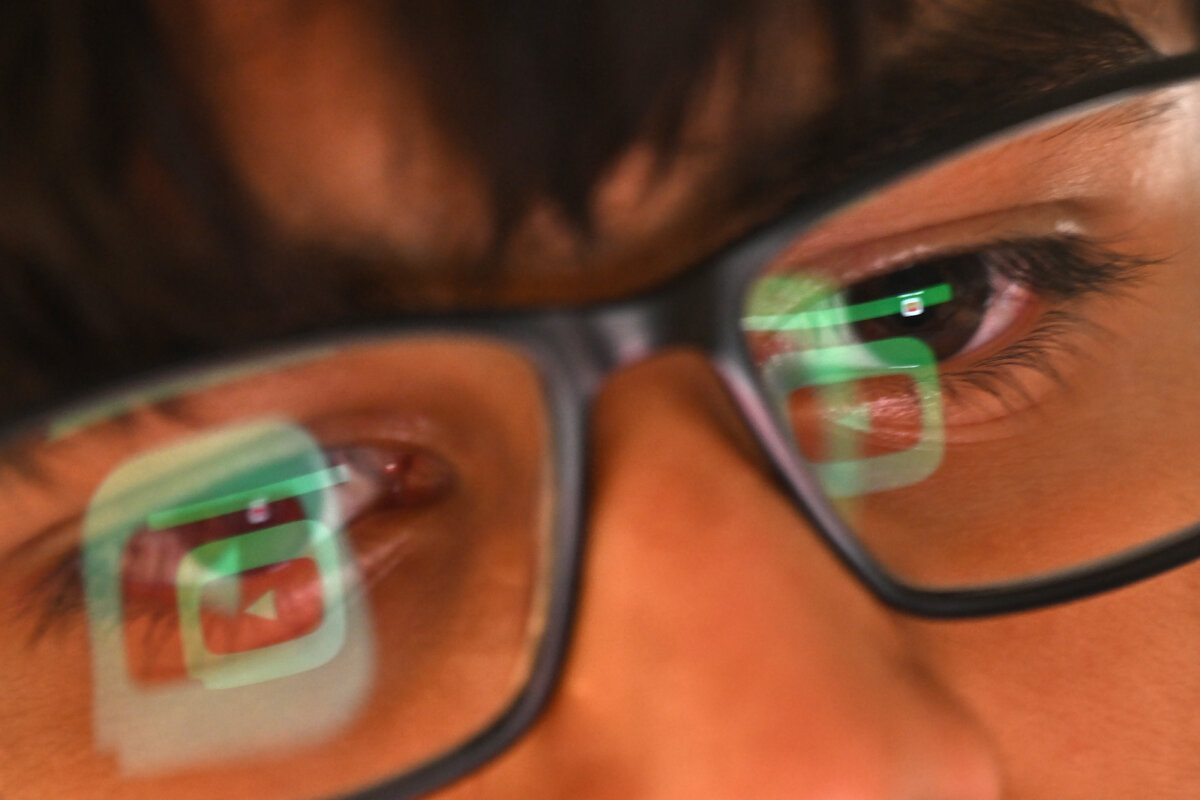
Australia’s national prohibition on social-media accounts for children under 16 formally began on Dec. 10, with the Royal Australian College of GPs publicly supporting the new laws, warning of escalating mental health issues among adolescents online.
Starting today, major platforms including Meta (Facebook and Instagram), TikTok, X, Reddit, Snapchat, Twitch, Kick, Threads, and YouTube must take “reasonable steps” to prevent under-16s from creating or maintaining accounts.
RACGP President Dr. Michael Wright welcomed the move and said many young people faced severe impacts to their wellbeing due to their time online.
“Much of that happens on social media,” he said. “We know that children and young people are spending extensive time on social media, and this is restricting their sleep and impacting their overall wellbeing.”
The RACGP also pointed to research connecting adolescent usage to anxiety, bullying and harmful content.
It highlighted 2021 Household, Income and Labour Dynamics in Australia statistics that estimated around seven percent of 15–17-year-olds had long-term mental-health conditions requiring treatment, and 19 percent were diagnosed with depression, anxiety or another mental illness—triple the rate recorded in 2009.
Concerns continued to grow after an University of Adelaide analysis of 14,000 South Australian students aged 11–14 found daily use surged from 26 percent in 2019, to 85 percent in 2022.
The proportion of non-users slid from 31 percent to only three percent over the same period.
Dr. Tim Jones, chair of the RACGP’s Specific Interest Child and Young Person area, backed the tougher approach but urged families not to assume automatic protection.
“The changes mean kids won’t be targeted by algorithms, not that they’ll be completely protected from harmful content or contact altogether—it’s not a silver bullet, and that’s clear in the eSafety advice,” he said.
A Reform That Will Reverberate Around the World: PM
Prime Minister Anthony Albanese spoke at the official launch date of the ban on Kirribili House alongside Communications Minister Anika Wells and eSafety Commissioner Julie Inman Grant.
Albanese described it as a “proud day” for parents and a significant step in reclaiming childhood from technology giants.
“This is the day when Australian families are taking back power from these Big Tech companies. They are asserting the right of kids to be kids and for parents to have greater peace of mind,” he told ABC.
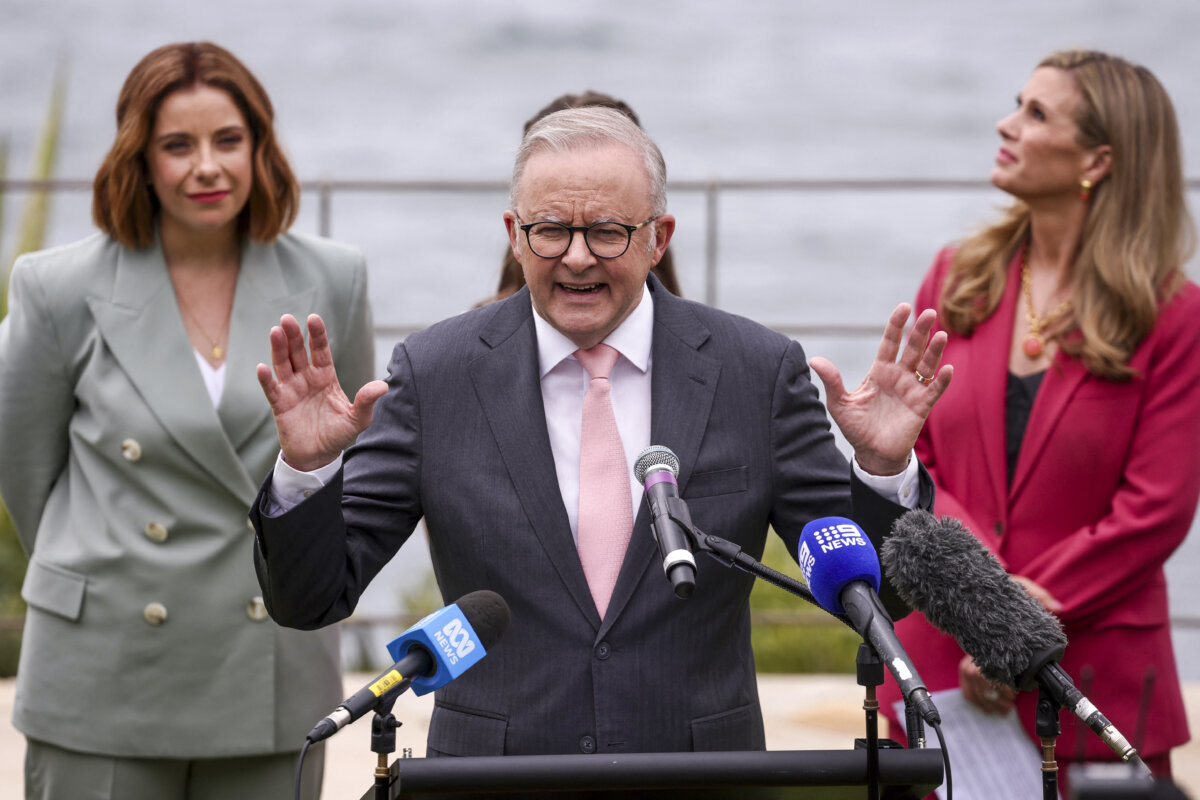
At an official event marking the commencement, the prime minister said Australia was sending a message internationally that the industry needed to be held accountable.
He said the reform would “change lives” and allow Australian children “to just have their childhood.”
He later described it as a “profound reform which will continue to reverberate around the world” and said it would assist “generations to come.”
Enforcement And Next Steps
Speaking at the launch, Communications Minister Wells said the measure would “change a generation”.
She thanked campaigners and suggested the day would be remembered as a turning point.
“Australia, a continent so far away and now yet so far ahead when it comes to online safety,” she said.
Wells compared the shift to historical resistance to compulsory seatbelts.
“Not that long ago, auto manufacturers told us that making compulsory seat belts would break their business model. It couldn’t be done. Now, families choose cars based on who offers the safest features,” she said.
eSafety, which has to over see the implmentation of the law said it is already monitoring it closely.
Commissioner Inman Grant explained the next steps for enforcing compliance.
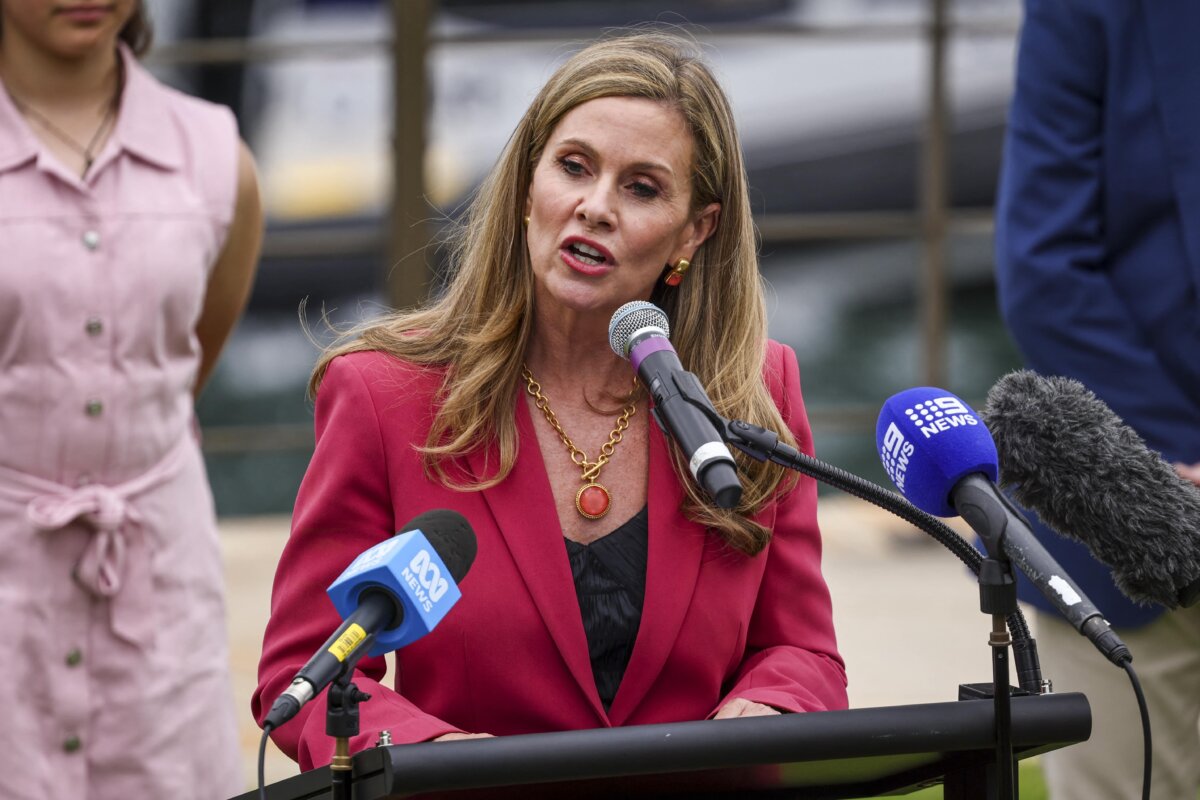
She said her agency would prioritise addressing “systemic failures” rather than assuming technology would be flawless from day one.
“We’re united in giving this our very best effort, we’re led by the data and we’ll evaluate the impact over time,” she said.
“Parents will be backed, families can reconnect, technology tethers will loosen. Australia stands as a global changemaker firmly on the right side of history,” she said.
South Australia’s Premier Peter Malinauskas joined federal leaders at the commencement event alongside young speakers who argued the limit would provide additional protection from harmful content online.
 Friends Read Free
Copy
Facebook
Tweet
Friends Read Free
Copy
Facebook
Tweet