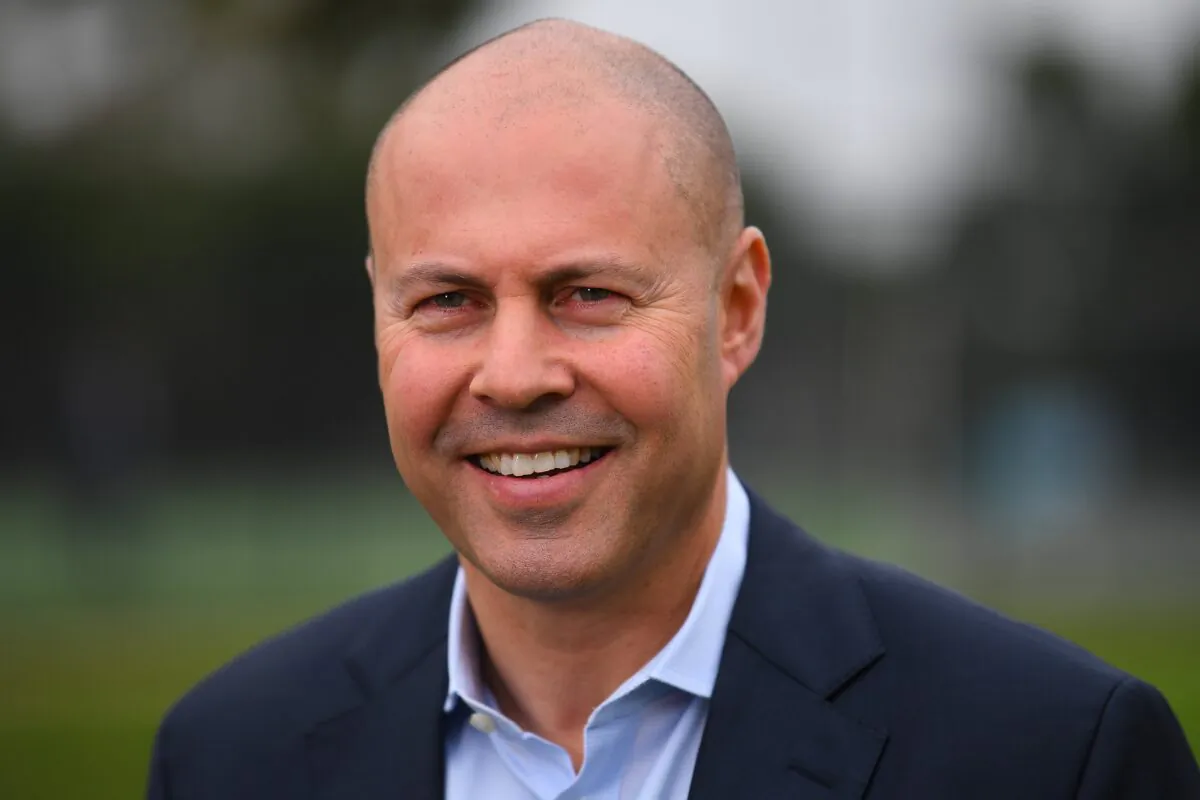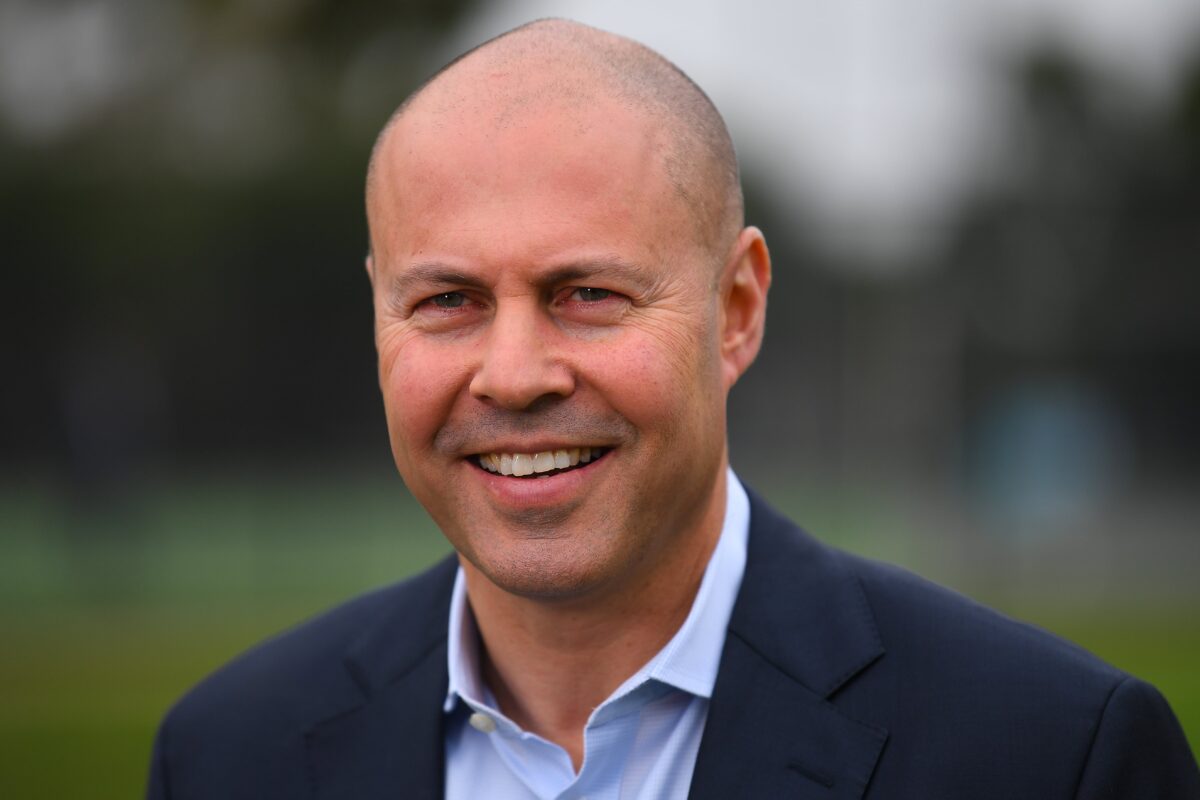


Former Australian Treasurer Josh Frydenberg has called for a radical shift in the nation’s migration vetting, arguing that legal entry must be treated as a matter of “national self-defence” following the deadliest terror attack in Australian history.
Addressing the Centre for Independent Studies in Sydney, the Goldman Sachs Australia chairman linked “a failure of leadership” to the Dec. 14 Bondi massacre, warning that without more rigorous border controls, Australia risks the “disharmony and division” currently seen in Europe.
Migration as National Security
In a move likely to spark political debate, Frydenberg argued that the vetting process is failing to filter out those who do not uphold Australian democratic values.
“We need to be much more rigorous in who is coming to this country and where they are coming from, the values that they uphold when they’re here,” he said. “If we don’t, I think we follow the path of European countries … and they are going to pay a very high price in disharmony and division.”
With net overseas migration reaching record levels in recent years, the former Treasurer suggested that the current outlook is unsustainable and threatens Australia’s “way of life.”
“It certainly will require courage from government,” he said. “I don’t believe we can keep going on the path that we are, where people are coming to this country with very limited commitment to our democratic values.”
The ‘Stain’ of Bondi
Frydenberg’s speech comes less than four months after the Dec. 14, 2025, mass shooting at Bondi Beach, where 15 people were fatally wounded during a Hanukkah celebration, and 40 others severely injured.
The attack, allegedly carried out by Sajid and Naveed Akram, has been described by security agencies as “the worst terror attack on Australian soil.”
Frydenberg, the son of a Holocaust survivor, told the audience the massacre was “predictable and preventable.”
“Principally, I think it’s been a failure of leadership … across our civil institutions,” he said.
“Clearly, it was a massive intelligence and law enforcement failure that led to the worst terrorist attack in Australia’s history. ”
He noted that the warning signs, including the fire-bombing of synagogues and Jewish childcare centres, the doxing of Jewish artists, and a record spike in hate speech, had been “cascading” for over two years.
“Our leaders did not do enough. They did not set those red lines where people knew not to cross,” Frydenberg said.
A Surge in Hostility
According to the Executive Council of Australian Jewry (ECAJ), anti-Semitic offences have spiked since the Palestinian terror group Hamas launched its deadly attack in Israel on Oct. 7.
In the decade prior to 2023, Australia averaged 342 reported incidents per year; that figure has since rocketed to an average of 1,858.
The trend was echoed by ASIO Director-General Mike Burgess, who has noted an alarming rise in radicalisation and the increasing normalisation of violence within the community.
The shift in social climate was further highlighted by a 2024 social cohesion report, which saw Australia’s index drop to 78, the lowest level since tracking began in 2007.
Royal Commission: ‘A Vehicle for Change’
Following months of pressure, Prime Minister Anthony Albanese established a Royal Commission into Anti-Semitism on Jan. 8, 2026.
While Frydenberg welcomed the move, he warned that the inquiry must lead to cultural, not just legislative, shifts.
“It’s not enough for people to simply be educated in understanding the past, the Holocaust,” he said. “What Australians need to understand is the type of behaviour that is acceptable today.”
 Friends Read Free
Copy
Facebook
Tweet
Friends Read Free
Copy
Facebook
Tweet