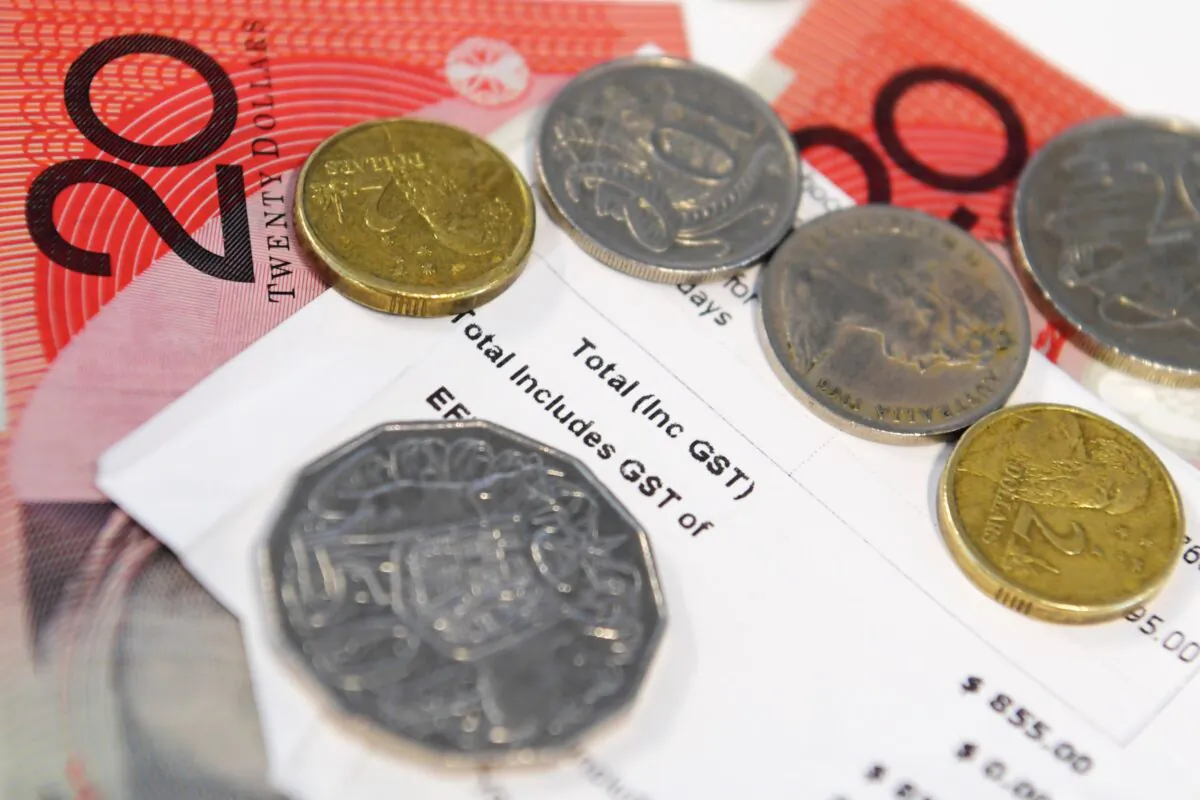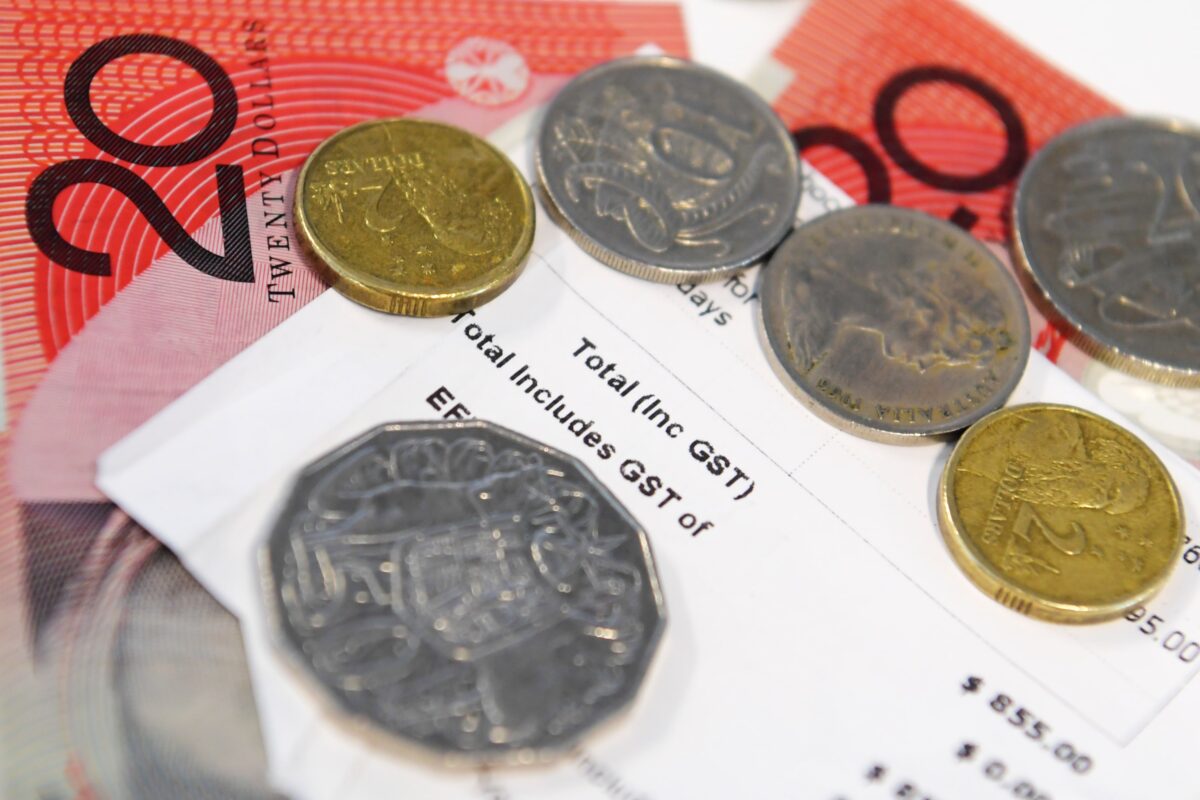

The way in which money from Goods and Services Tax (GST) is allocated to states—a perennial source of dispute—is back on the agenda as the treasurer of Australia’s most populous state, New South Wales (NSW), claims the system is “busted.”
Each year the Commonwealth Grants Commission (CGC) calculates the share of each state and territory, focusing on their respective financial capacity to provide similar levels of public services and not on how much they’ve contributed—a principle known as Horizontal Fiscal Equalisation (HFE).
The distribution of GST was historically determined by need, meaning that from about 2000 to 2018, Western Australia (WA) received a lower per capita share than poorer states like Tasmania.
While that had long been the subject of debate, the complaints have been louder since 2018, when then-Liberal Treasurer Scott Morrison overhauled the system by introducing a “relativity floor” for Western Australia (WA) of 75 cents in the dollar.
This change aimed to provide WA, which was receiving a low share with greater financial certainty, while shoring up voter support, and compensating for the large contribution of the state’s mining sector.
From 2026/27 onward, the figure will be set at a level no worse than whatever the more populated New South Wales (NSW) or Victoria receive, whichever is greater.
Independent economist Saul Eslake called Morrison’s move “the worst public policy decision of the 21st century thus far.”
The effect this coming year, he says, will be to hand WA an additional $1 billion “over and above the more than $5 billion in excess of what it objectively needs … allowing it, again, to run budget surpluses while every other government in the country incurs deficits.”
Eslake also expressed doubt that either the Labor or Liberal parties have the will to deal with imbalance.
NSW Again Receives Lower Share
This year, NSW received $1.4 billion less GST revenue than neighbouring Victoria, despite having 1.5 million more residents.
Its share of the $103 billion total GST pool has now fallen to 82 cents in the dollar in 2026/27, down from 86 cents in 2025/26, and 92.4 cents in 2023/24.
WA’s share has increased to the equivalent of NSW’s in the 2026/27 carve-up, which came in at just under 82 cents.
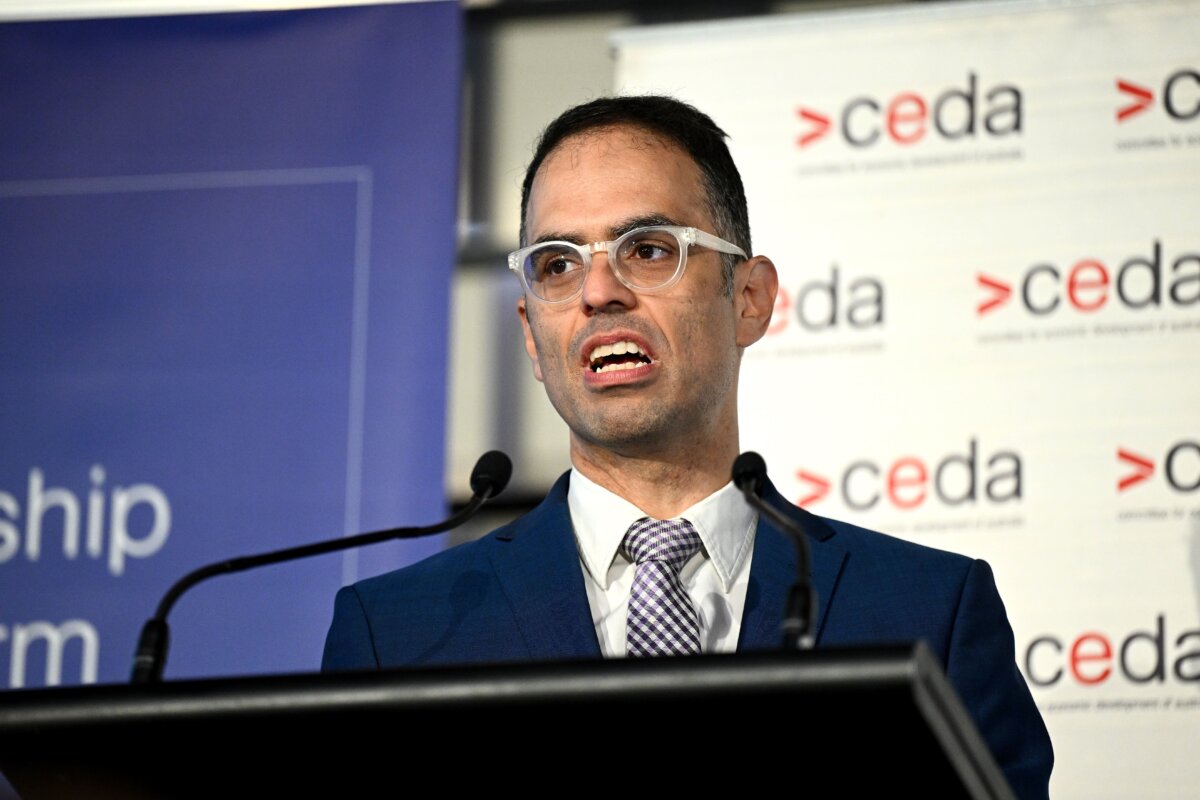
That’s a sign that the system is “busted,” according to NSW’s Labor Treasurer Daniel Mookhey, who argues a fairer approach to revenue distribution would be on a per capita basis.
The current method means “NSW carries the federation all by itself,” he said in a statement.
“The whole of the federation would be better off if we allocated the GST by population share, with the federal government using their balance sheet to prop up the smaller jurisdictions.”
He estimated that if that formula were followed, NSW would gain an additional $3.2 billion in the next financial year.
He said his state’s taxpayers had seen more of their money put to work fixing the budgets of Victoria and WA—which is on track to post its eighth consecutive budget surplus—than their own.
Mookhey has outlined his proposal in a detailed submission to the Productivity Commission, which is due to deliver an interim report on the GST deal in August.
Federal Treasurer Jim Chalmers said GST payments were increasing for all states and territories.
AAP contributed to this story.
 Friends Read Free
Copy
Facebook
Tweet
Friends Read Free
Copy
Facebook
Tweet