
Japan’s top defense official has pledged to move forward with plans to deploy surface-to-air missiles to a military base near Taiwan, as a diplomatic spat between Tokyo and Beijing deepens.
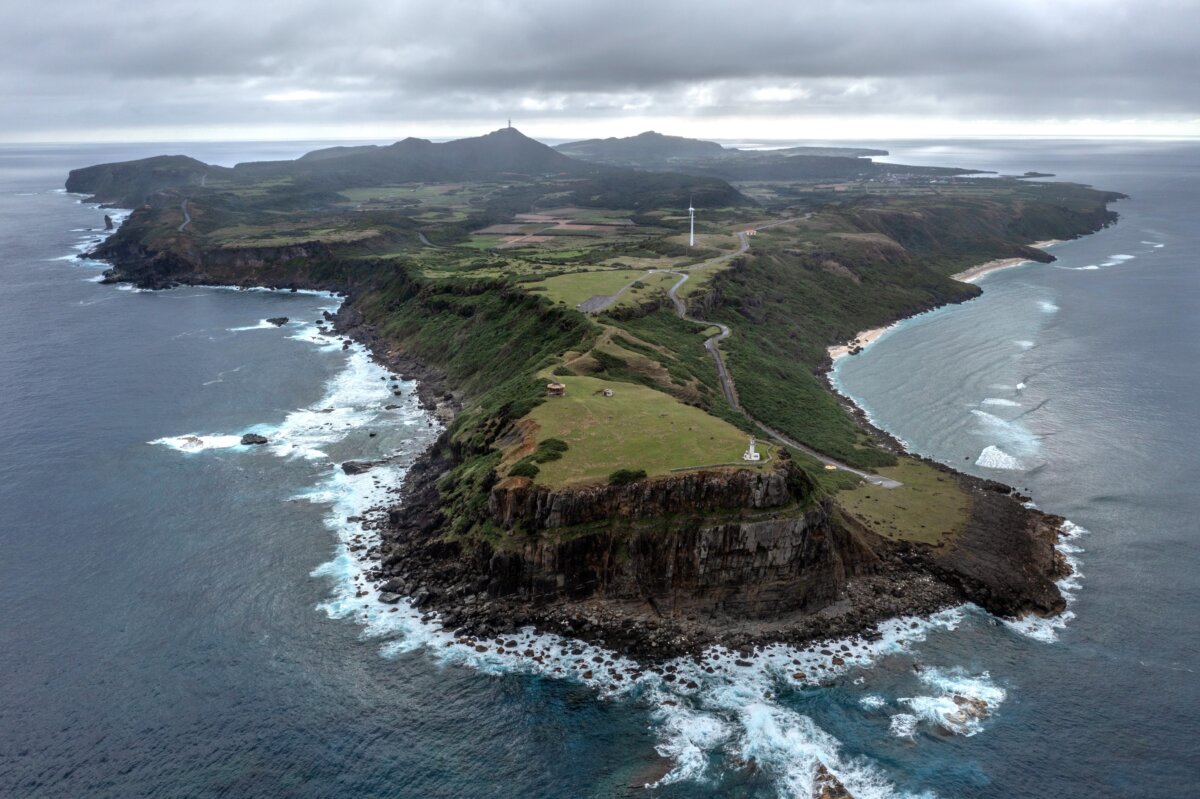
The deployment on Yonaguni Island, just 68 miles off Taiwan’s east coast, would “reduce the likelihood of armed attacks on Japan itself,” Japanese Defense Minister Shinjiro Koizumi said on Nov. 23 while touring the Self-Defense Forces base on the island.
Yonaguni is part of the Sakishima archipelago and represents Japan’s closest point to Taiwan. Since 2016, the island has hosted a Self-Defense Forces surveillance and security unit, marking a key step in Tokyo’s efforts to bolster defenses in its southwestern island chain.
In January, then-Defense Minister Gen Nakatani said the government wanted to deploy the Type 03 Chu-SAM system to Yonaguni, but progress has been slow. The medium-range missiles are designed to intercept aircraft and incoming threats at distances of up to about 31 miles.
Koizumi, who took office in October, said the ministry is still working on the plan and will inform the local government and island residents once details are finalized.
Beyond missile deployment, the plan calls for building underground shelters across the Sakishima islands, including an underground bunker beneath Yonaguni’s town hall. Japan’s basic approach to protecting people living on remote islands is to evacuate them at the first sign of conflict to the home island of Kyushu, and the new shelters would provide safe spaces for those unable to evacuate in time.
Japan’s concerns about being drawn into a Taiwan emergency have intensified in recent years, particularly as China escalates its threats to use force to bring the self-governing island under its control.
When Beijing responded to then-U.S. House Speaker Nancy Pelosi’s 2022 visit to Taiwan with large-scale military drills, several Chinese ballistic missiles landed just south of Yonaguni, underscoring the frontline island’s vulnerability to a China-Taiwan war.
Recent weeks have seen relations between Tokyo and Beijing deteriorate further after Prime Minister Sanae Takaichi told lawmakers that a Chinese attack on Taiwan could constitute a situation requiring Japan to activate its Self-Defense Forces.
On top of verbal protests, Beijing imposed retaliatory measures, including reinstating an import ban on Japanese seafood, reversing a goodwill gesture that had led to a partial lifting of the ban earlier this year.
Asked whether deploying missiles so close to Taiwan might heighten regional tensions, Koizumi rejected the notion, stressing that the plan is defensive.
“I believe your suggestion that it will increase tensions in the region is unfounded,” he told a reporter.
China’s Foreign Ministry, however, said on Nov. 24 the deployment was “extremely dangerous” and alleged it was “a deliberate move” that “stokes military confrontation.”
Taipei, meanwhile, has responded positively. When asked about Koizumi’s plan, Taiwan’s Deputy Foreign Minister Wu Chih-chung said he would not comment on it, but emphasized that Japan has every right to prioritize its own security.
“Japan, the United States, and Europe are among the allied partners with whom our relationships continue to strengthen,” Wu told reporters on Nov. 24, ahead of his testimony before the Legislative Yuan’s Foreign Affairs and National Defense Committee, according to the Taipei Times.
“For Taiwan, the most important thing is to deepen our ties with these countries.”
 Friends Read Free
Copy
Facebook
Tweet
Friends Read Free
Copy
Facebook
Tweet