
The Albanese Labor government has lifted the curtain on its sweeping changes to negative gearing, capital gains tax (CGT), and to taxing discretionary trusts.
The government said the reforms are necessary to improve housing affordability, create a “fairer” tax system, and put downward pressure on rents.
“First of all, the impact of our policy we’ve provided, the Treasury’s modelling is [for a] negligible impact on rents,” said Treasurer Jim Chalmers at the National Press Club.
“House prices will continue to grow but more slowly, about two percent more slowly [about $19,000 in value] … Right across the Budget, though, our housing policies will add to supply and that will put downward pressure on rents.”
Chalmers also hinted that the framework being put in place is aimed at funding future tax cuts for workers who earn a salary compared to those who accumulate passive income via investments.
“My ambition when it comes to future tax reform is to try and provide more tax relief for working people. That’s why I’ve set up this architecture.”
So how will it all work?
What Is Negative Gearing?
A person can start negative gearing when the cost of paying for the property is more than it earns in rental income.
This can happen due to the sum of mortgage repayments, maintenance, council rates and insurance exceeding the rent the property generates.
Investors may accept these short-term losses on the expectation that the property will appreciate over time, generating a long-term capital gain that outweighs the initial losses.
Ahead of this budget, investors could also deduct losses from other taxable income such as wages, lowering their overall tax bill.
Now the rules are changing; however, significant protection for existing investors will continue.
Negative Gearing to be Restricted
The government is limiting how rental losses from established properties can be used.
Owners currently engaging in negative gearing can continue, but from July 1, 2027 this will be restricted to only new homes. Negative gearing in other asset classes will remain, like shares.
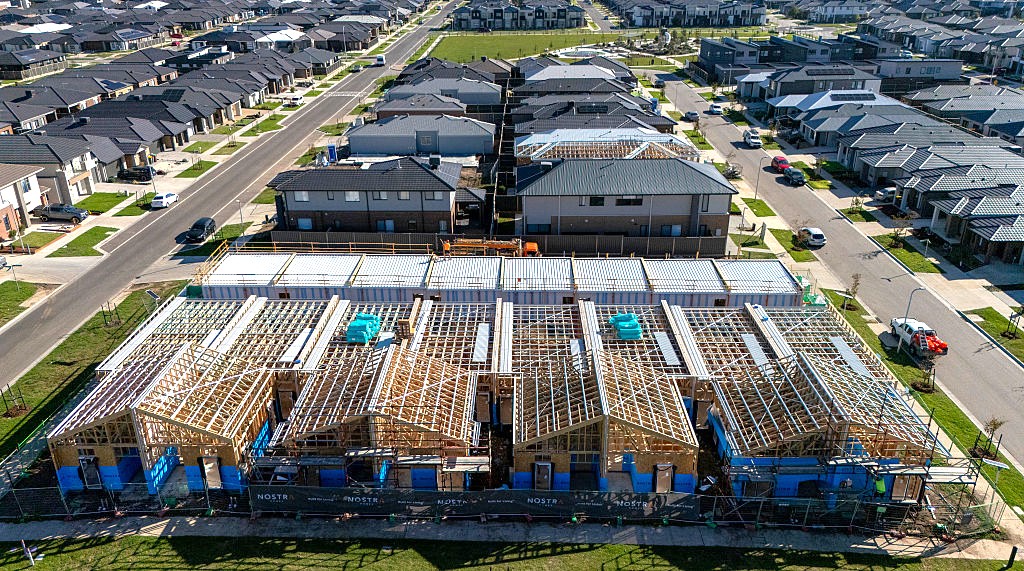
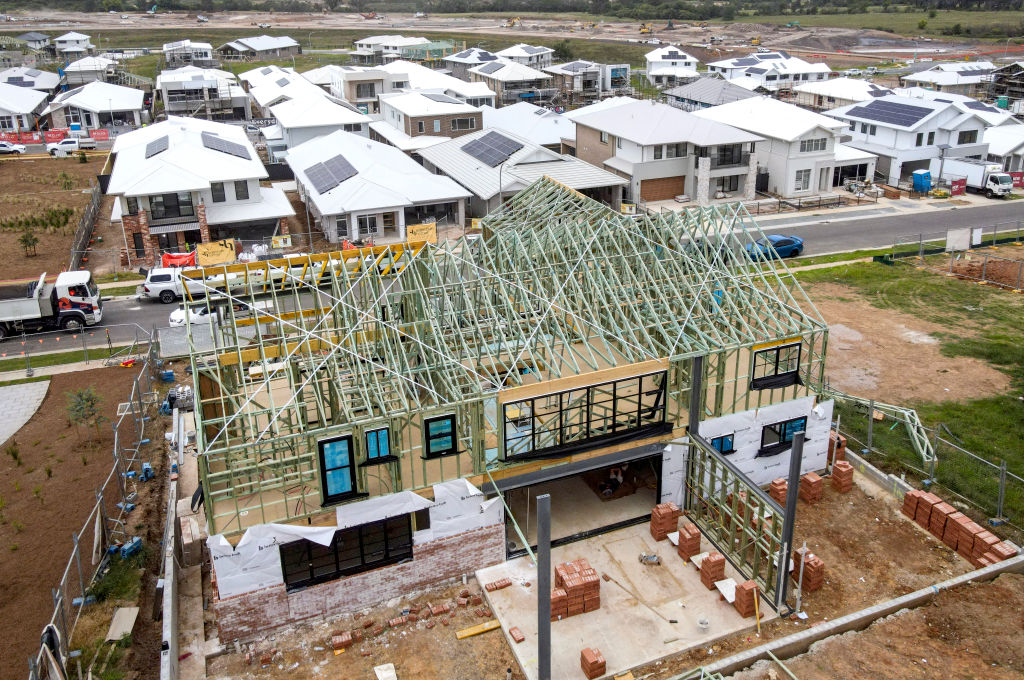
New builds include homes built on vacant land or redevelopments that create more dwellings than they replace.
However, knock down rebuilds or renovations that do not increase the total number of homes will not qualify, and anyone buying a new build later from the original owner loses the concession.
Commercial properties, widely held trusts and superannuation funds, including self-managed ones are unaffected.
What Is Capital Gains Tax?
CGT applies after a person sells an asset and generates a profit.
For many years, individuals, trusts and partnerships could discount the CGT by 50 percent if they have held the asset for longer than 12 months.
Capital Gains Tax Changes
The budget replaces that discount with a new system.
From July 1, 2027, the government will implement a flat 30 percent minimum tax rate on capital gains of a broad range of assets, including shares, crypto, and investment properties. The final tax amount will also be adjusted for inflation.
The family home will continue to remain exempt, and small business concessions continue unchanged.
Income support recipients, including Age Pension and JobSeeker recipients, are exempt from the minimum tax in the year they realise gains.
30 Percent Minimum Tax on Discretionary Trusts
The budget also targets “income splitting” through discretionary trusts, a legal instrument often used by families or business owners to lower their tax liabilities.
This means trustees of discretionary trusts will be liable for a new 30 percent tax before money is distributed to beneficiaries.
Beneficiaries will receive credits for tax already paid by the trustee.
The measure excludes fixed trusts, widely held trusts, superannuation funds, special disability trusts, charitable trusts and certain income such as primary production income.
Treasury has projected $4.5 billion (US$3.26 billion) in additional revenue over five years with the new tax rate.
Shadow Treasurer Claims Budget Full of Broken Promises
Shadow Treasurer Tim Wilson said the budget was “full of broken promises, higher taxes, lower living standards and shockingly, fewer homes.”
“If you are a renter you are going to be hit, it literally admits in the budget documents, you are going to pay higher rents,” he said on social media.
“There are going to be fewer homes built, the cost of housing is not going to be your friend if you are rent-vesting or of course you are a first home buyer,” he said.
 Friends Read Free
Copy
Facebook
Tweet
Friends Read Free
Copy
Facebook
Tweet