
The Australian government has announced the upcoming federal budget will include a $10 billion (US$7.2 billion) Australian Fuel Security and Resilience package.
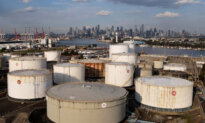
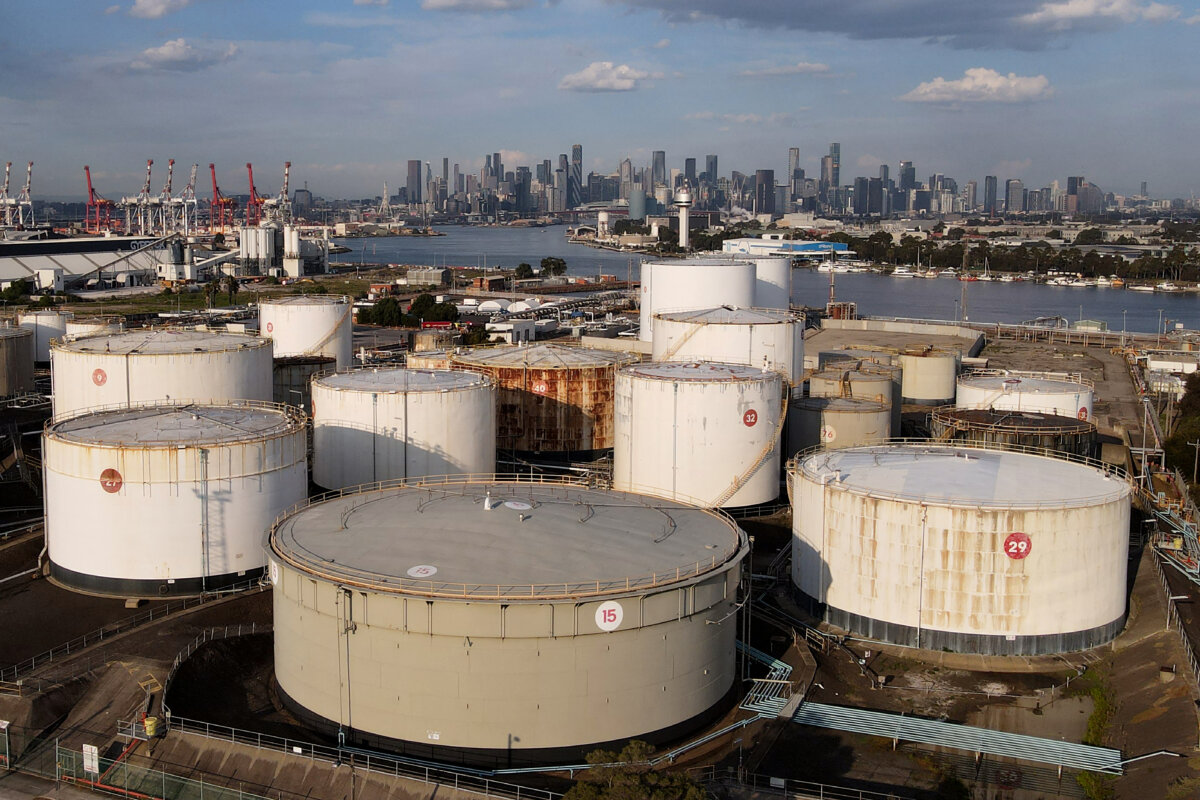
A joint statement between Prime Minister Anthony Albanese and various ministers revealed plans for a government-owned Australian Fuel Security Reserve with a capacity of around a billion litres.
Under the new package, fuel suppliers would also be required to maintain an additional 10 days’ worth of fuel on top of existing monthly reserves as a buffer against shortages.
The government said the new approach would ensure a minimum of 50 days’ worth of petrol, diesel and jet fuel to be stored.
The package is expected to cost more than $10 billion, with $7.5 billion allocated to a new fuel and fertiliser security facility, $3.2 billion for a billion-litre reserve, and $10 million from state and territory co-funding to explore expanded domestic fuel capability.
Just under $35 million will be allocated to the ongoing management of Australia’s fuel security, including increased fuel storage requirements for suppliers.
“The government will consult on implementation of the fuel reserve to enable the ability to underwrite or purchase fuel, support storage, and trade stocks as needed to ensure our fuel security during severe or prolonged fuel supply disruption,” the statement read.
“The changes will take place progressively over time, backed by support to invest in new and refurbished fuel storage to support the uplift in fuel stocks.
“The government will work with state governments to undertake feasibility studies into new or expanded refining capabilities, building on work with current refinery operators to retain our current refining capability in the decade beyond 2030.”
Treasurer Jim Chalmers said the upcoming federal budget would focus on fuel, tax reform, inflation and housing.
“It’s all about making sure there’s more fuel for motorists and for industry, and more fuel security for our economy more broadly,” he told ABC Radio .
Meanwhile, Opposition Leader Angus Taylor said the fuel security package was “too little, too late” as he criticised its government ownership component.
“They’re going to compete with the market, with the private sector … this government always thinks that the government is the entire answer,” he said.
“We want to work with the private sector to do this, and that’s what should be happening.”
‘An Important Start’: NRMA
National Roads and Motorists’ Association spokesman Peter Khoury said recent global events, such as the Iran war, had highlighted the need for Australia to have better control of its own fuel resources—something he said had been ignored for too long.
“This is an important start because it increases minimum stockholding of fuel—especially diesel—to 50 days and it now means the Australian government will have a direct take in storage capacity,” he said.
“Given this issue is critical to our nation’s security, this makes sense.
“Governments have repeatedly kicked the fuel security can down the road despite the clear warnings … Today, after the world’s worst oil shock, Australia’s fuel and energy requirements will go some way to being future-proofed.”
 Friends Read Free
Copy
Facebook
Tweet
Friends Read Free
Copy
Facebook
Tweet