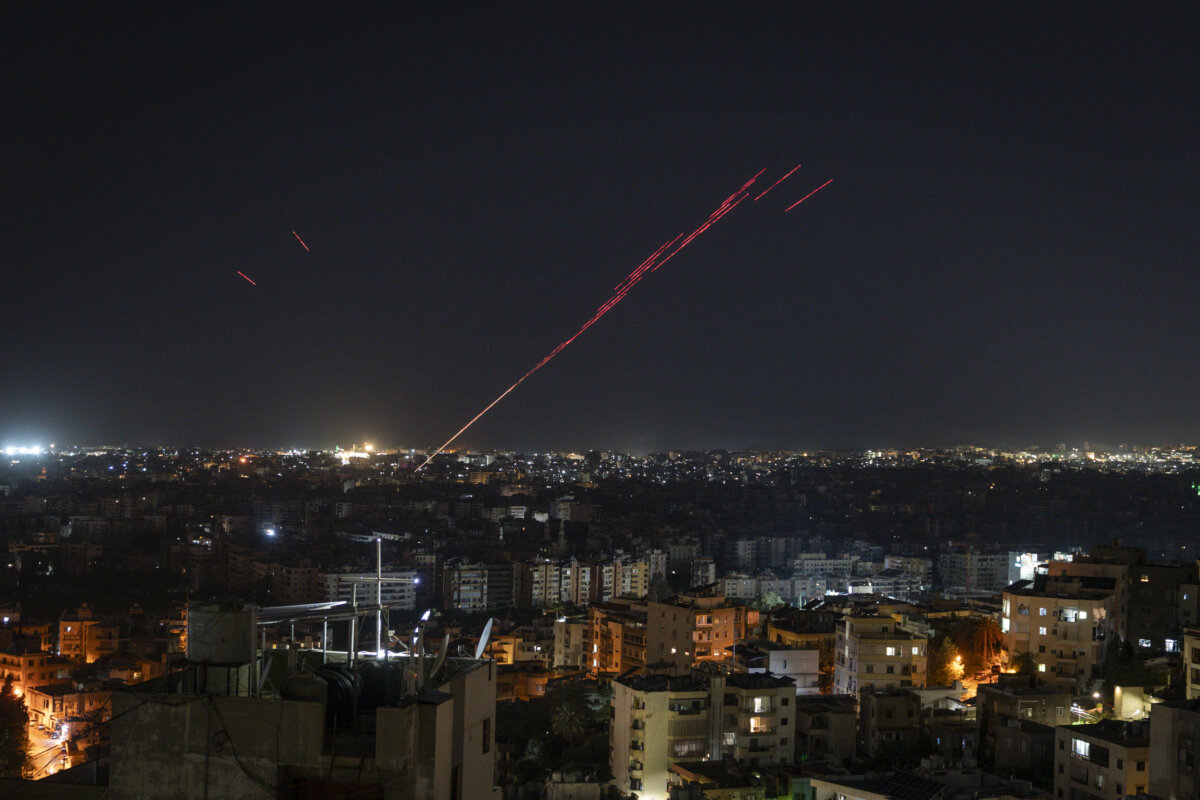

The ceasefire in Lebanon appeared to be holding on April 17, bringing renewed hopes that a lasting ceasefire might be agreed between the United States and Iran to end the wider conflict in the region.
U.S. President Donald Trump said in an April 16 post on Truth Social that he hoped “Hezbollah acts nicely” during the ceasefire period.
“It will be an GREAT moment for them if they do. No more killing. Must finally have PEACE!” he added.
In a later post on the same platform, the president said that it may “have been a historic day for Lebanon,” adding that “good things are happening!”
In an April 16 speech in Las Vegas, he said, “The war in Iran is going along swimmingly,” adding that it “should be ending pretty soon.”
Trump also told reporters at the White House on April 16 that he might travel to Islamabad, Pakistan, if a deal to end the war is reached during the next talks, a date for which has not yet been set.
U.S. special envoy to Syria and ambassador to Turkey Tom Barrack told a diplomacy conference in Antalya, southern Turkey, on April 17 that the “brilliance” of the ceasefire in Lebanon was that it ended “senseless killing.”
“The brilliance of what happened yesterday is it stopped senseless killing and President Trump and Secretary Rubio stepping in strongly and saying we need a time out,” Barrack said.
“This is just the beginning of a road, and the ceasefires are so delicate because everybody’s been equally untrustworthy. … Everybody is in atrophy over this idiotic war. So will the ceasefire stick? What will we do? It’s baby steps.”
The ceasefire is slated to last 10 days.
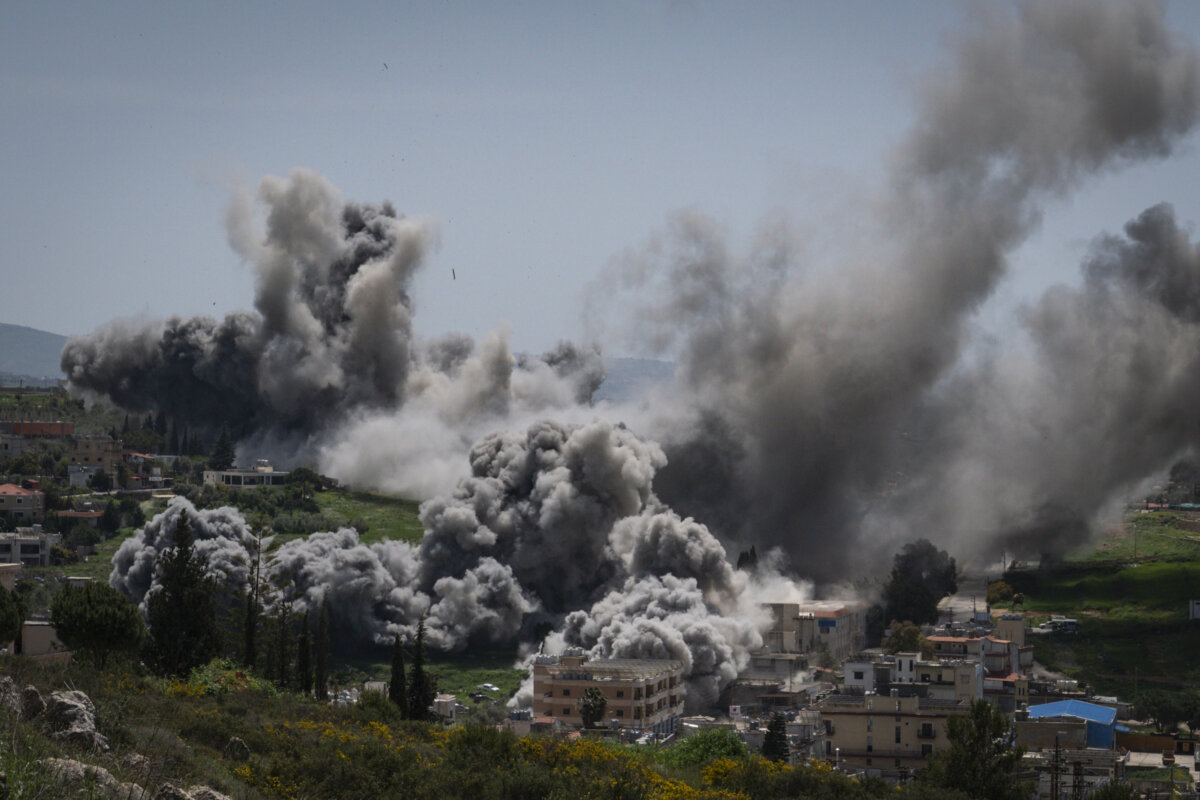
The Lebanese Armed Forces said in an April 17 post on X that Israel had violated the ceasefire.
“The Army Command renews its appeal to citizens to delay returning to the southern villages and towns, in light of a number of violations of the agreement,” the Lebanese military said. “A number of Israeli attacks have been recorded, in addition to intermittent shelling affecting several villages.”
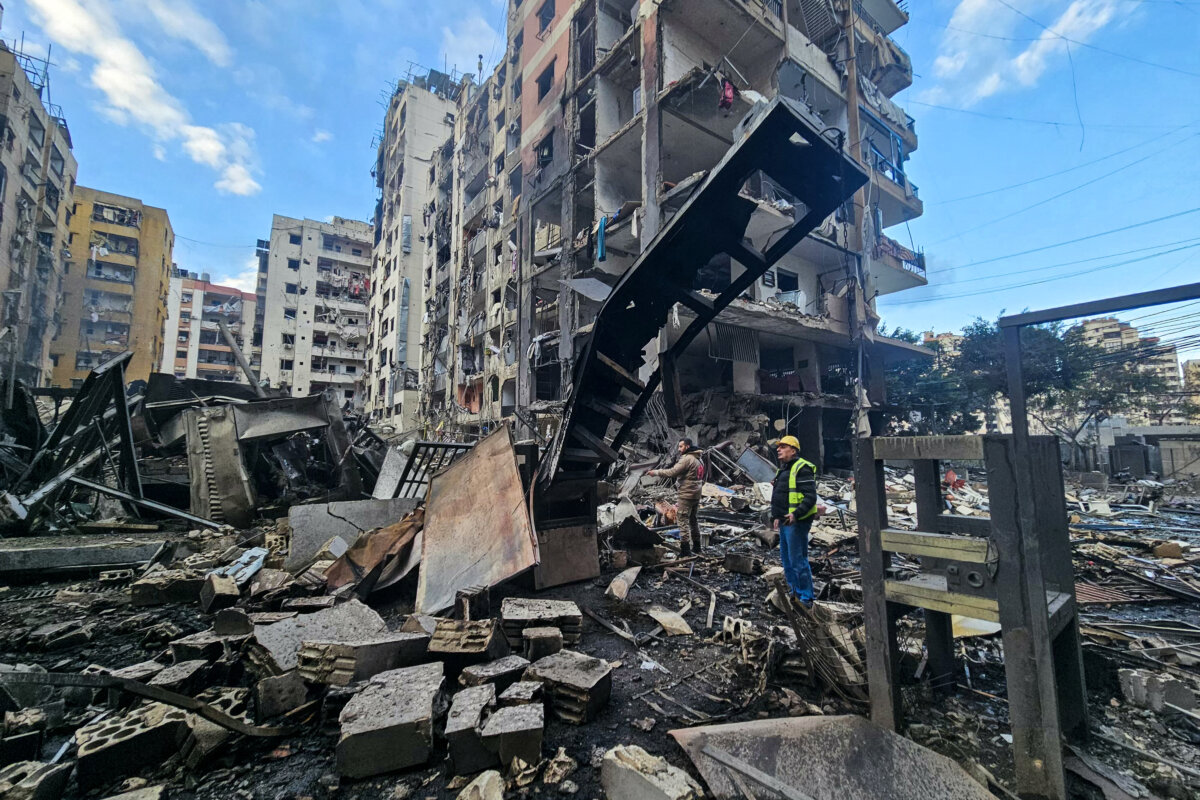
Israel Will Keep Troops in Lebanon
The Israel Defense Forces (IDF) have not yet commented on the allegations of ceasefire violations.
Israeli Prime Minister Benjamin Netanyahu, who was involved in negotiations and agreed to the deal, said earlier that the Jewish state will keep its troops in the country.
Netanyahu said that since the conflict with Lebanon started in early March, the IDF has “eliminated the massive arsenal of 150,000 rockets and missiles” that it suspected were going to be used against cities in Israel.
“This balance has shifted to such an extent that over the past month, we began receiving calls from Lebanon to hold direct peace talks between us,” Netanyahu said on April 16. “This is something that hasn’t happened in over 40 years.”
Netanyahu said that in order to have peace, Hezbollah must be disarmed in Lebanon.
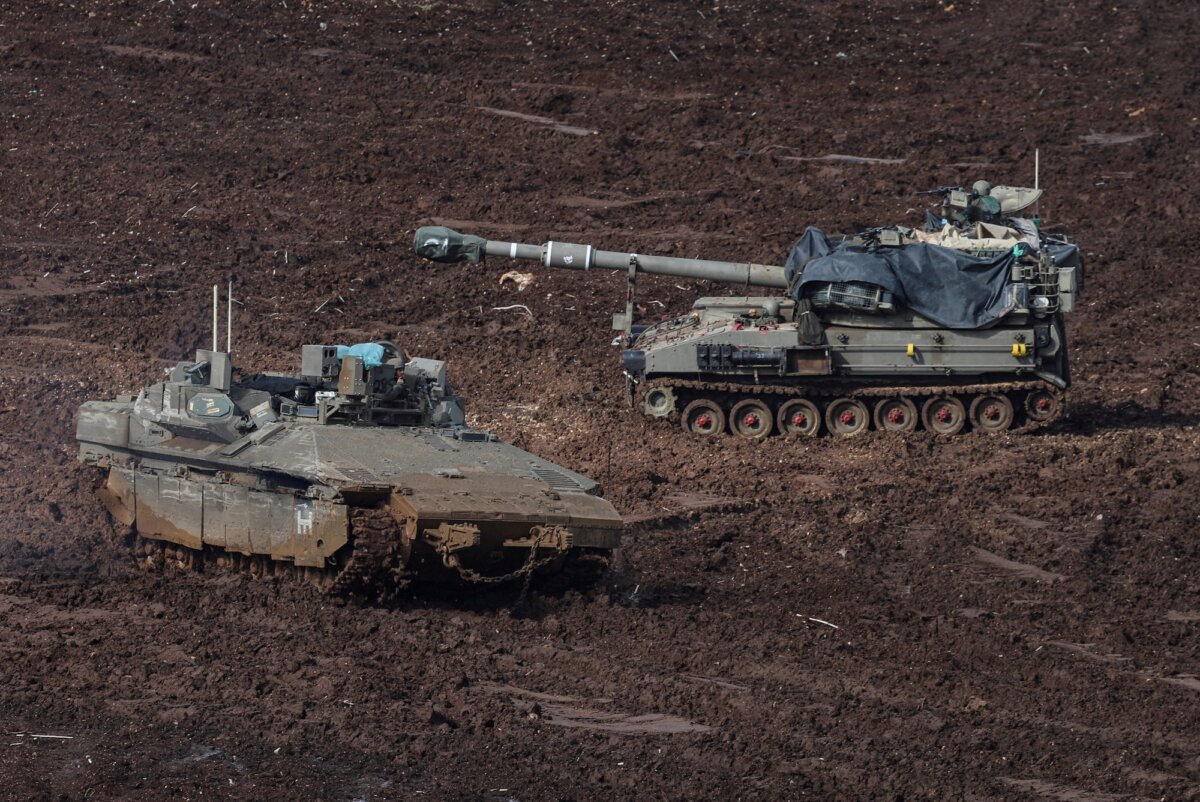
The Israeli leader alleged that Hezbollah had two conditions: Israel’s withdrawal from Lebanese territory and a ceasefire based on the “quiet for quiet” model.
“I agreed to neither of these, and indeed, those two conditions are not being met,” Netanyahu said.
Israel will remain in Lebanon’s security buffer zone, which is approximately six miles deep from its border.
“That is where we are, and we are not leaving,” Netanyahu said.
Iran Welcomes Deal
Iran welcomed the ceasefire agreement in Lebanon on April 16, saying that an end to hostilities in the country was a key factor in any broader agreement to end the wider war.
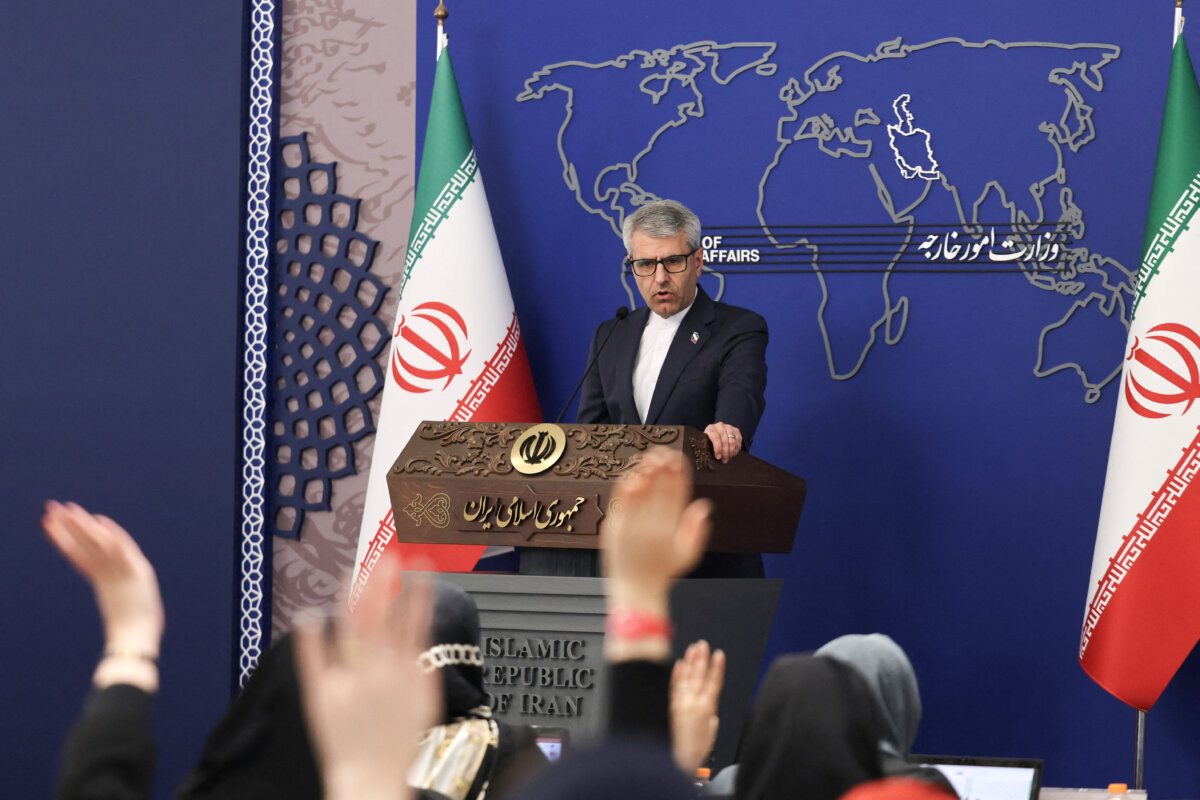
Iranian Foreign Ministry spokesperson Esmaeil Baqaei Esmail Baghaei said on April 16 that since the beginning of its discussions with various regional and international parties, Tehran had been clear on the importance of implementing a simultaneous ceasefire across the entire region, including Lebanon, and had continued to pursue this matter following the U.S.–Iranian talks in Islamabad, Pakistan, last weekend, according to an April 17 post on Telegram from the regime-aligned Islamic Republic News Agency.
Baghaei also stressed the need for Israel to completely withdraw its troops from Lebanon, suggesting a potential friction down the line, given Jerusalem’s explicit statement that it currently has no plans to do so.
World Leaders Applaud Ceasefire
The news of the 10-day ceasefire was welcomed by nations around the world, with French President Emmanuel Macron saying he “fully supports” the ceasefire.
“I also express my concern that it may already be undermined by the continuation of military operations,” Macron said in an April 17 post on X.
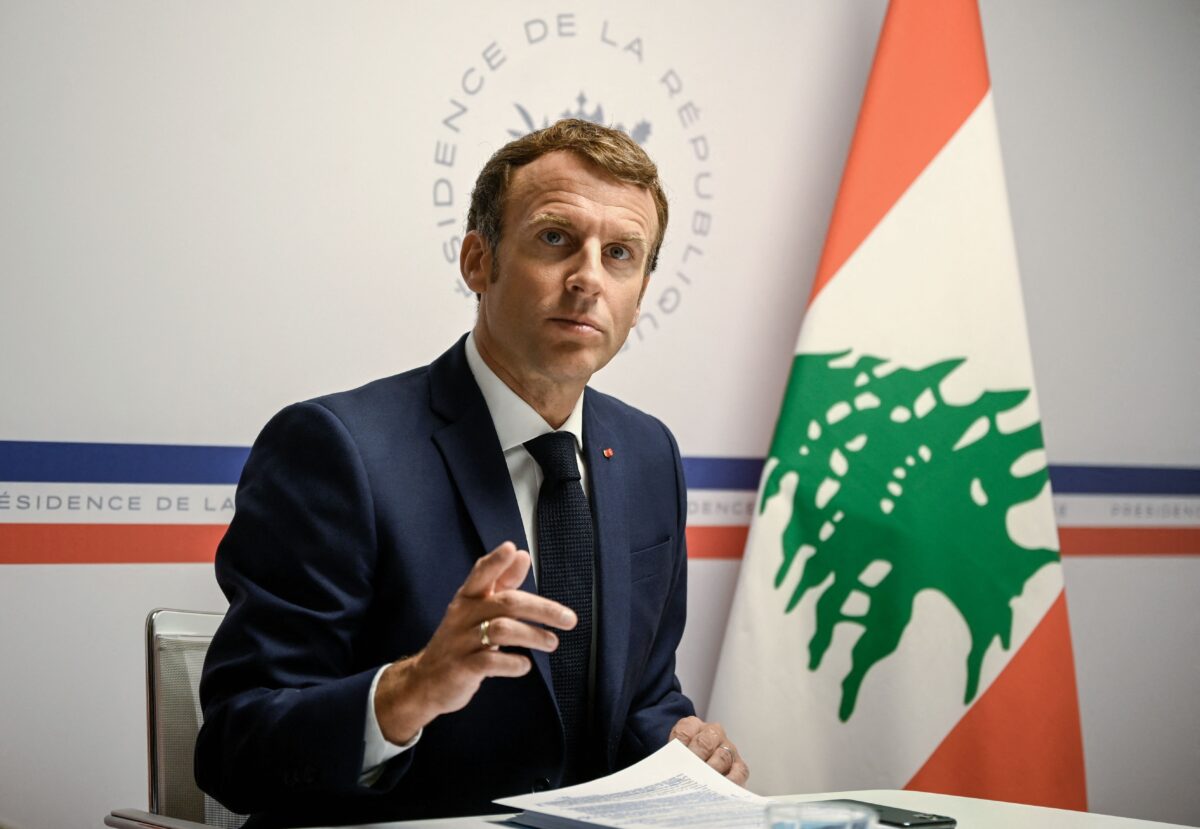
He added that Hezbollah “must lay down its arms” and Israel “must respect Lebanese sovereignty and stop the war.”
European Commission President Ursula von der Leyen also welcomed the news in an April 16 post on X, calling it “a relief.”
Pakistani Prime Minister Shebaz Sharif, who led his nation’s delegation when Pakistan hosted the U.S.–Iran negotiations last weekend, welcomed the announcement of the ceasefire, saying in an April 17 post on X that it had been “facilitated through bold and sagacious diplomatic efforts led by President Donald Trump,” and expressing his hope that “it will pave the way for sustainable peace.”
Arab nations, including Saudi Arabia, Qatar, Jordan, Bahrain, Egypt, Oman, and the United Arab Emirates, also welcomed the truce as a positive step toward de-escalation, regional stability, and the end of hostilities.
 Friends Read Free
Copy
Facebook
Tweet
Friends Read Free
Copy
Facebook
Tweet