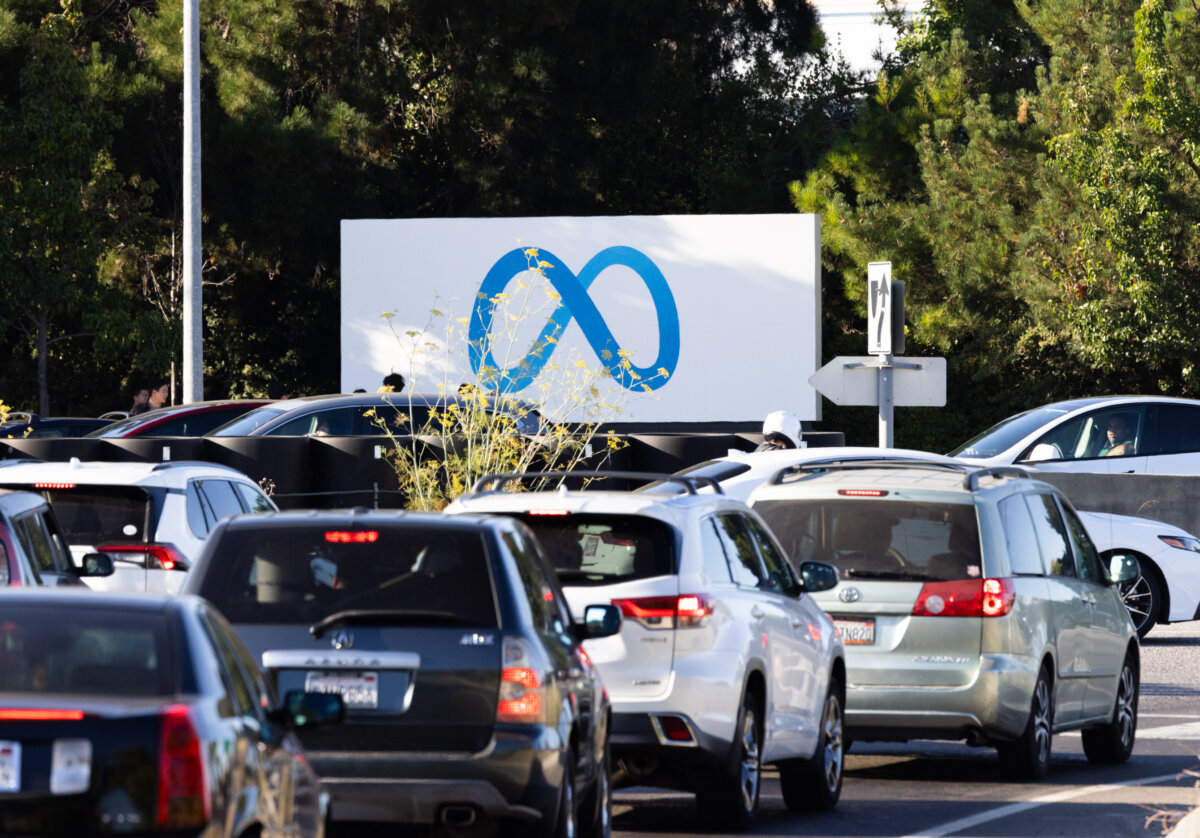

Meta has voiced strong opposition to the Albanese government’s proposed News Bargaining Incentive—a second attempt to force Big Tech firms to pay news outlets for content.
The company occasionally publishes positive material on Medium about what it feels are achievements in its Australia and New Zealand operations.
But it pulled no punches in reacting to Labor’s latest proposal that would impose a direct 2.25 percent tax on the local revenue of social media and search engine giants unless it signs content deals with Australian media companies.
“News organisations voluntarily share content—free of charge—on Meta’s platforms because they derive real commercial benefits: referral traffic, audience growth, and subsequent advertising revenue they retain in full,” the company says.
“Before we ended Facebook News in Australia in April 2024, daily active users of the product had already dropped over 80 percent, a clear signal of where audience preferences had shifted. People come to our platforms for connection, entertainment, and creator content, not to click on news articles.”
Meta says the policy protects media outlets from competitive pressures.
“Dependency is not a plan for journalism,” it argues.
“A sustainable news ecosystem requires publishers to innovate and adapt to changing consumer behaviour. The NBI does the opposite: it insulates publishers from the competitive pressure to evolve by guaranteeing revenue regardless of whether they build sustainable business models.
It concludes by noting that the tax captures a broader revenue base than existing digital services taxes enacted by some governments, which it warns have “resulted in the United States initiating trade actions.”
Tech companies have previously lobbied the Trump administration to take retaliatory action against such schemes, and the administration has pushed back against European Union anti-trust suits, with the president arguing that it was “effectively taking money that would otherwise go to American investments and jobs.”
Introducing the policy, Prime Minister Anthony Albanese estimated it would raise between $200 million ($142.5 million) and $250 million per year, all of which would “go back to journalists to pay for journalism.”
A 2025 study by the University of South Australia, which analysed 86,000 Facebook posts sharing news stories, found Australians now share content from a much wider range of platforms than in the past, leading to greater diversity in the news reaching the community.
But it also warned that Meta’s intention to deprioritise news on their platforms could reverse this trend and weaken the media’s role in democratic participation.
 Friends Read Free
Copy
Facebook
Tweet
Friends Read Free
Copy
Facebook
Tweet