
A Canadian who recently returned from a cruise ship affected by a hantavirus outbreak has developed symptoms and tested presumptively positive for the virus, according to B.C. health officials.
The patient, who began experiencing mild symptoms including fever and headache two days ago, was taken to a hospital in Victoria for assessment and testing, where a “presumptive positive” result was confirmed Friday by the BC Centre for Disease Control.
The individual remains in stable condition in hospital isolation and health officials are awaiting confirmation of the test result from a Winnipeg microbiology lab, B.C. Provincial Health Officer Bonnie Henry said during a press conference on May 16. Results from the lab tests are expected in the next two days, she added.
A presumptive test is a preliminary screening method used to indicate whether a specific substance is likely present, producing rapid, typically qualitative results—often through a colour change. Since these tests are sensitive but not fully specific, they cannot confirm a result on their own and must be followed by more detailed laboratory testing before a final determination can be made.
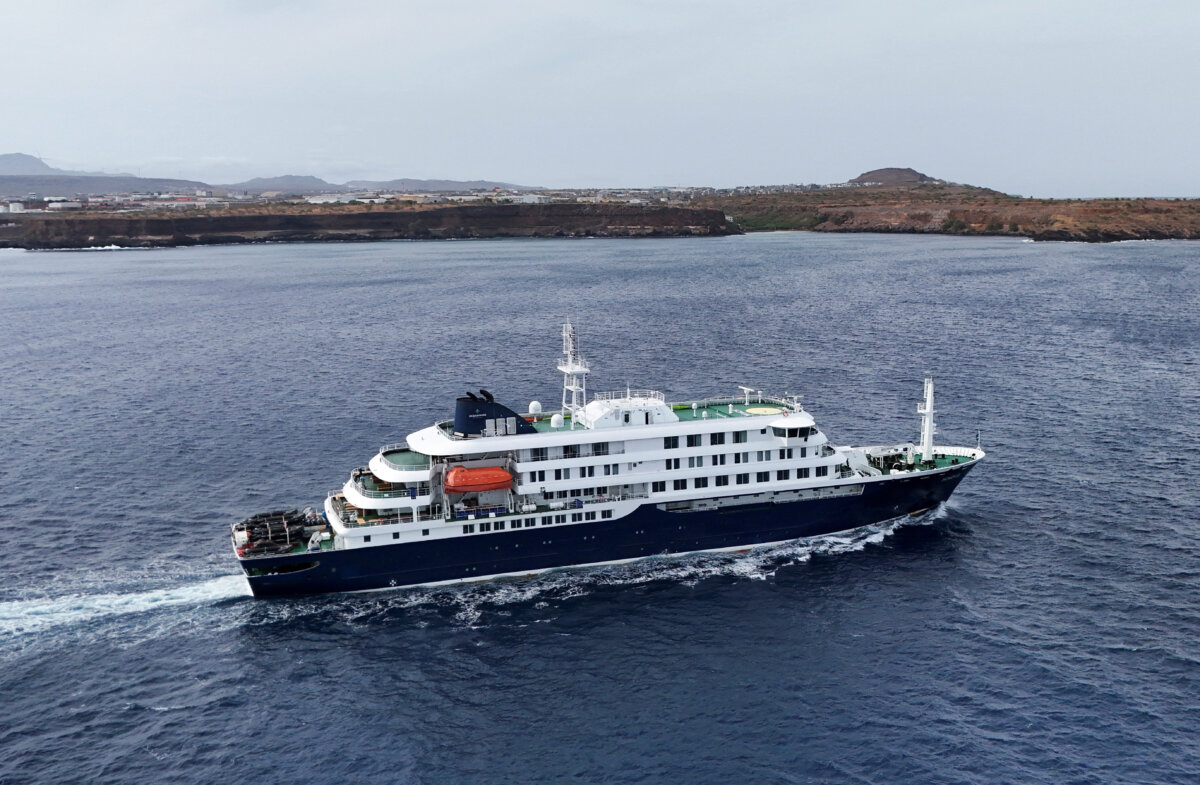
Of the four Canadians who had been passengers on the hantavirus-struck MV Hondius and returned to Canada on May 10, three—including the individual who tested positive and their spouse—are isolating in hospital, while the fourth is isolating at home.
“Out of an abundance of caution, a third individual who was in secure lodging for isolation has been transferred to hospital for assessment and testing,” a statement from Health Canada reads.
All four were isolating on Vancouver Island for a minimum of 21 days, Henry said, adding that a long isolation period was necessary as the Andes strain of hantavirus has a very long incubation period.
The infected person and their partner are a couple in their 70s from the Yukon, the territory’s government has confirmed. The other two who were passengers on the ship are an individual from Vancouver Island and one other person from British Columbia who resides abroad.
Henry said the second Yukoner has tested negative for hantavirus, and that the two Yukoners were isolating in British Columbia as part of an arrangement with the territory.
“They are here because the ability to do the testing and to provide that sort of care is not available in the Yukon and B.C. has an arrangement to support people in that condition,” she said.
Henry said the B.C. government was coordinating with federal and global partners on testing and treatment options.
“There are a number of antiviral medications that have been tried in places like Argentina,” she said.
Health Canada reiterated that the overall risk to the general public remains low, but that it was taking a “precautionary approach” given the severity of the virus.
 Friends Read Free
Copy
Facebook
Tweet
Friends Read Free
Copy
Facebook
Tweet