
Quebec has expanded its secularism law to now prohibit any school worker from wearing religious symbols and to forbid students from covering their faces.
The province first introduced its secularism law in 2019, banning public employees in positions of authority—such as teachers, judges, and police officers—from wearing religious symbols.
The government has now extended that ban to include all school staff, such as psychologists, janitors, and cafeteria workers. The ban now also applies to those who are not employees of the school but may work with students, such as library volunteers. The government is also forbidding students from wearing face coverings as part of its secularism requirements.
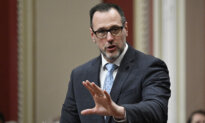
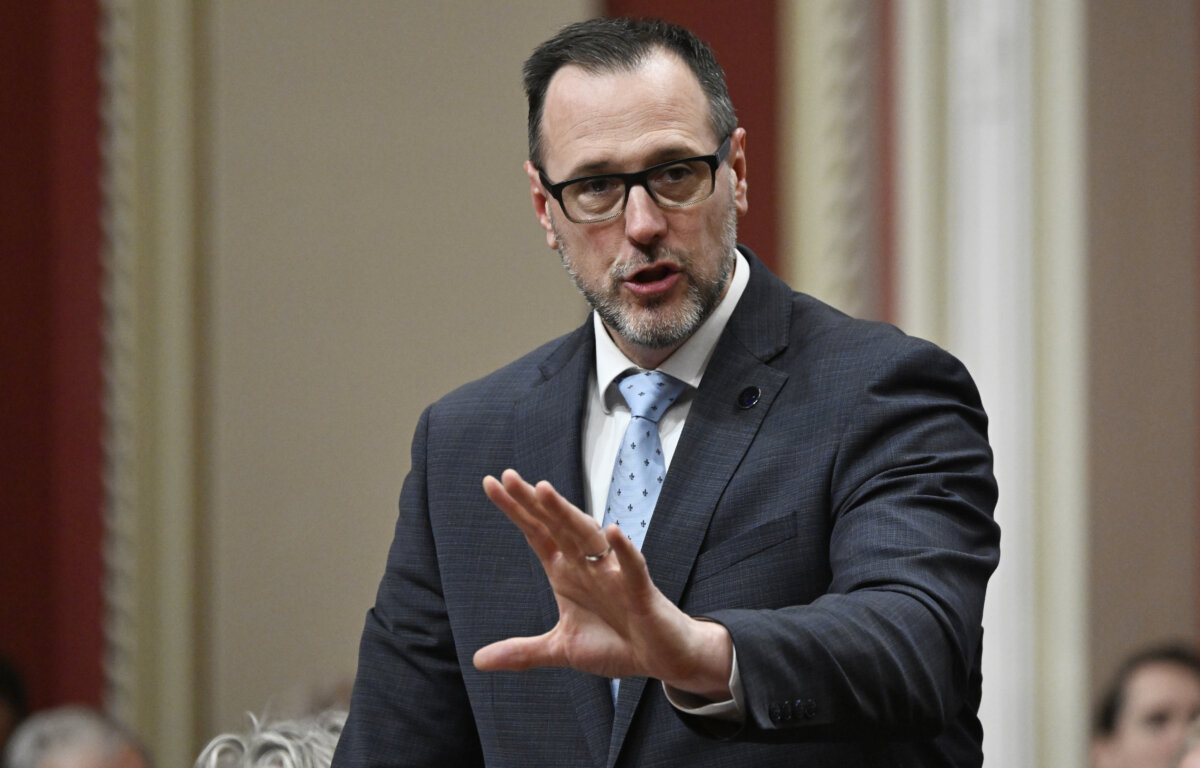
Quebec’s government also said this month that it will ban the wearing of religious symbols in daycares. Secularism Minister Jean-François Roberge said the ban would apply to all staff working in early childhood centres and subsidized daycare facilities.
Roberge said that Quebecers want the government to “strengthen secularism,” saying it was part of the provincial identity and there would be “no compromise on our values.”
Premier François Legault previously said in a Sept. 30 speech at the National Assembly that the province was under threat from “radical Islamists.” He said they were trying to impose their values on Quebecers, adding that his government would do everything it could to counter “attacks against our common values.”
In December 2024, as a series of reports found Islamic practices were appearing in some public schools, Quebec’s education minister said the government would introduce a new bill to reinforce secularism in the province’s schools. The practices outlined in the reports included some Muslim students praying in classrooms and hallways, and disrupting a school play focused on preventing pregnancies and sexually transmitted diseases.
That same month, Legault said that he wanted to end prayer in public places, after groups of Muslims were gathering for public prayer in Montreal, including outside the Notre-Dame Basilica.
Roberge said in August that the province was also looking at introducing legislation to ban public prayer, saying street prayers have become a “serious and sensitive issue” in the province. That proposal came after an increase of public prayers during pro-Palestinian demonstrations in major cities in Canada following the Israel-Hamas conflict.
The Canadian Muslim Forum responded with a statement saying it was concerned with the proposal. It said the province should be focusing on solving real problems and “not policing the fundamental rights of its citizens.”
Jennifer Cowan and Matthew Horwood contributed to this article.
 Friends Read Free
Copy
Facebook
Tweet
Friends Read Free
Copy
Facebook
Tweet