
Long-term reliance on gas for iron and steel production in South Australia presents significant financial and supply-related risks, the Institute for Energy Economics and Financial Analysis (IEEFA) said, urging the state to capitalise on the growing potential of green hydrogen.
Under its Green Iron and Steel Strategy, the South Australian government initially set an ambitious target for the Whyalla steelworks: a shift towards green steel production and green iron exports from a new direct reduced iron (DRI) plant.
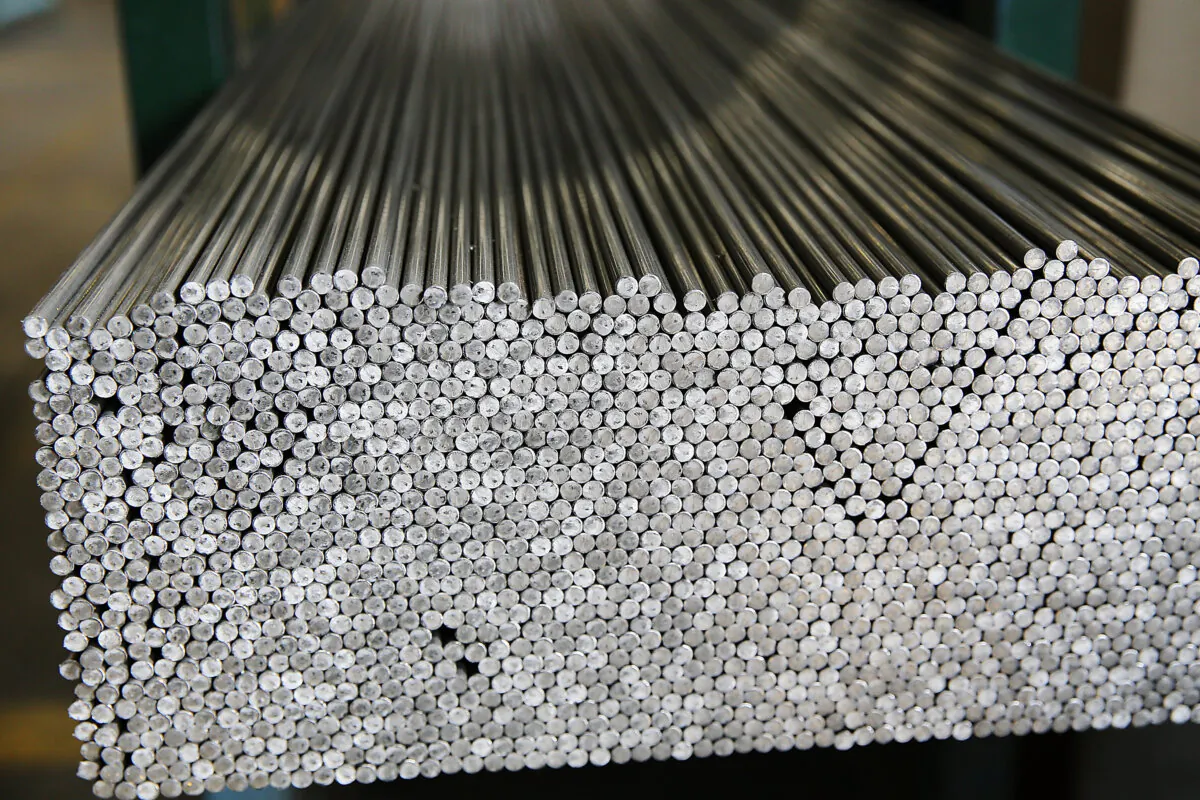
DRI plants produce iron without a traditional blast furnace. Instead, it removes oxygen from iron ore, typically by using natural gas or hydrogen.
The plan was for both facilities to transition rapidly to green hydrogen. However, reality has hit hard as the cost of green hydrogen production is not falling as quickly as anticipated.
With the state government now scrapping its green hydrogen plant plans and shutting down the Office of Hydrogen Power, it’s becoming clear that any new DRI facilities will likely rely on gas for a longer period than previously expected.
“South Australia has world-leading green iron and steel potential. Green hydrogen remains expensive for now, but it is becoming clearer we will need less of it in the future, with applications in a narrower group of sectors—one of which is iron and steel,” said Simon Nicholas, lead analyst for global steel at IEEFA.
“The bursting of the global hydrogen bubble leaves an opportunity now to refocus green hydrogen plans on domestic use. However, Australia faces growing competition from overseas, leaving iron ore, the country’s biggest export, exposed.”
In Sweden, Stegra, an industrial decarbonisation company, plans to start large-scale production of fully green iron and steel next year using green hydrogen-based DRI technology.
Similarly, countries such as Canada and Brazil are also looking towards green iron and steel production, supported by their high-grade iron ore reserves and largely renewable energy sources.
However, attempts to produce gas-based DRI in Australia would be excessively high-priced to compete with the Middle East, where plans to produce gas-based DRI for export to Asia are underway.
Expensive, Short Supply
Gas remains expensive in Australia’s East Coast market, and prices are being affected more and more by the ups and downs of international LNG markets. There is also a growing concern for supply shortages, especially in the southern states.
DRI plants are gas-intensive. BlueScope Steel has mentioned that switching its Port Kembla steel plant operations to gas would consume 7 percent of demand in the east coast gas market.
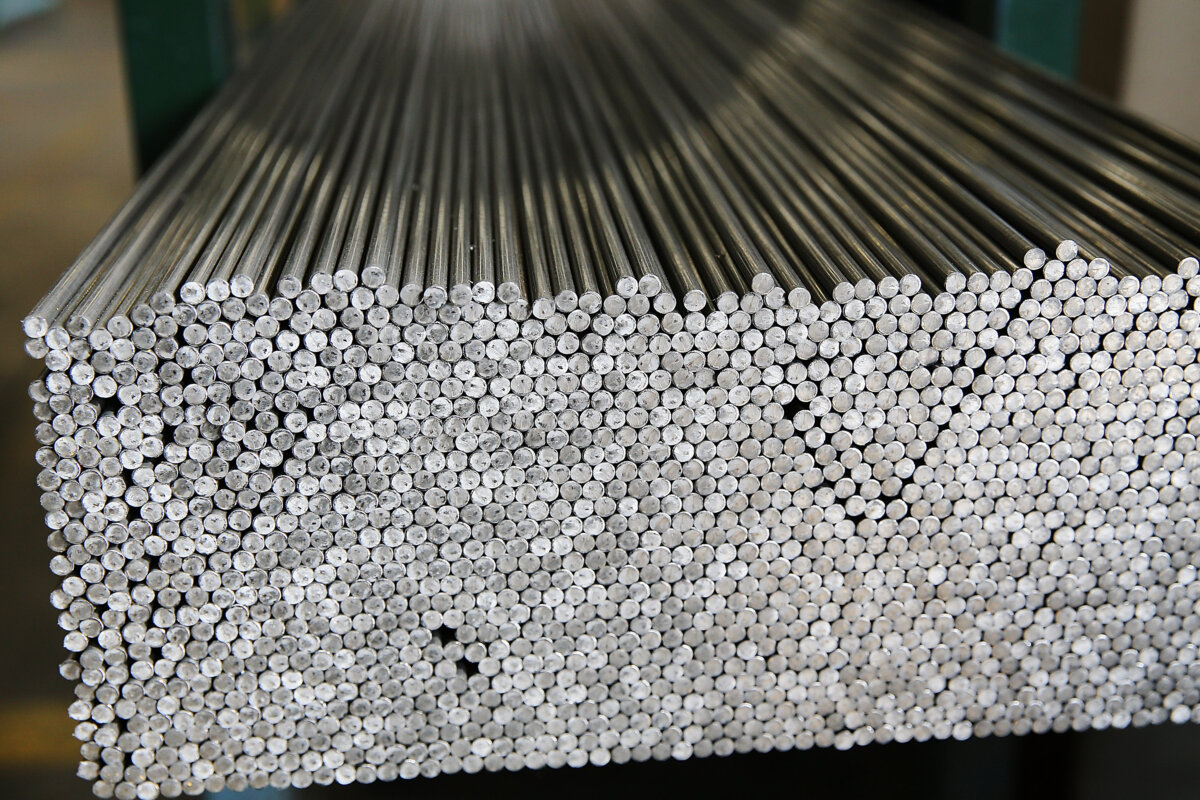
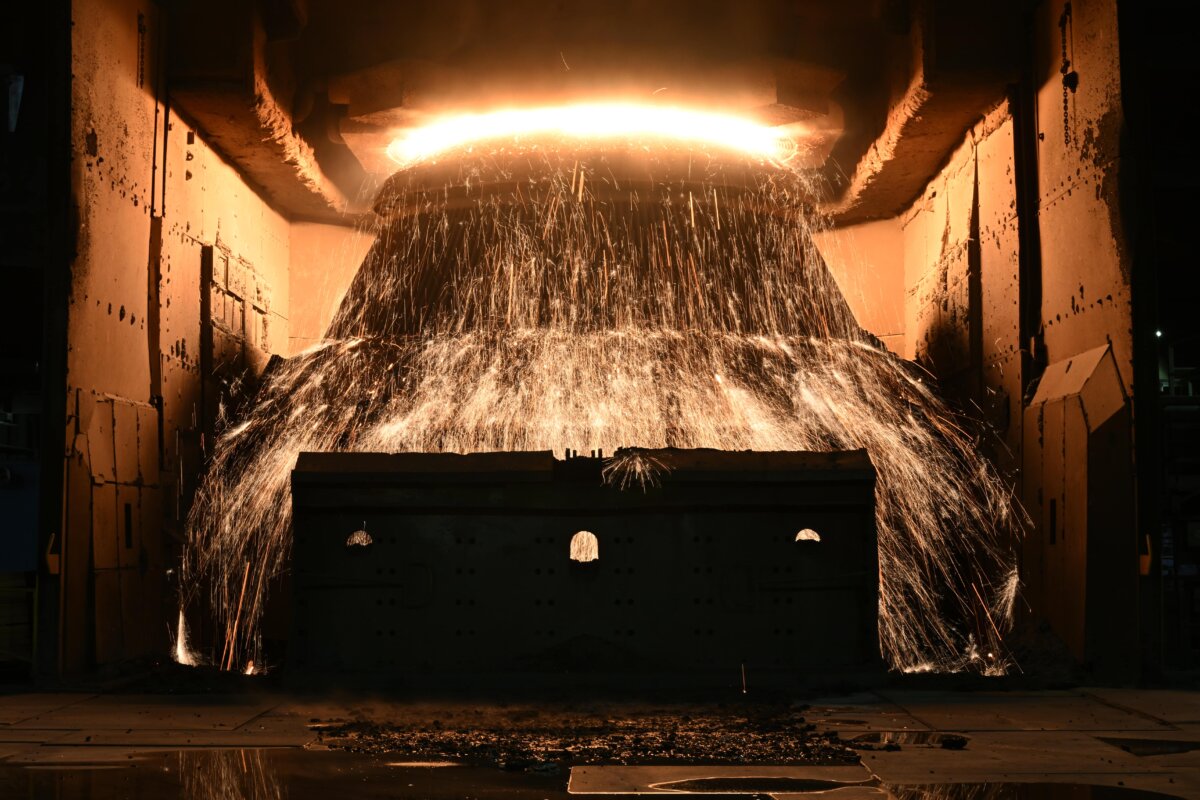 Molten steel is made in the BOS, slab caster and steel treatment factory at BlueScope Steelworks in Port Kembla, in Wollongong, Australia, on Feb. 9, 2024. (AAP Image/Dean Lewins)
If existing and future Australian iron production were to rely on gas, the demand would further strain a market already experiencing supply challenges.
Currently, the strategy to minimise the risk of gas shortages in the east coast market is decreasing household and industrial gas consumption, although changing to gas-based DRI goes against this idea.
“The fact is, you simply can’t make green iron and steel with gas. Green hydrogen-based DRI is the only production route that can truly fulfill the South Australian government’s Green Iron and Steel Strategy,” said Nicholas.
Where to for Australian Gas?
In a separate statement, the Clean Energy Council echoed IEEFA’s concerns, noting that over-reliance on gas would result in material risks for the country’s energy transition and power prices.
“Clean Energy Council’s recent analysis of retail price impacts in the ‘Impact of a delayed transition on Electricity Bills’ report showed power bills would be almost $500 higher for an average household per year if we dramatically increased our reliance on gas,” said the Council.
Industry experts warn, however, that gas policy decisions must not erode investor confidence or distort pricing signals vital for the development of renewables and storage projects, which are seen as the backbone of a reliable and secure energy supply in the long term, it added.
Meanwhile, Wood Mackenzie warned that Australia’s East Coast gas market is heading for a structural supply shortfall as new supply fails to keep pace.
Shrinking exploration activity, delayed investment, and a complicated policy environment are the key factors eroding market confidence.
“Gas remains a critical part of Australia’s energy mix, particularly as the country speeds up its transition to renewables and retires coal,” said Daniel Toleman, research director of global LNG at Wood Mackenzie.
“However, recent policy interventions have disrupted market dynamics, creating a cycle of underinvestment that threatens the long-term affordability and reliability of gas supply.”
The report warns of chronic, year-round shortages, likely from early next decade.
Wood Mackenzie explores several policy options, cautioning that each comes with trade-offs.
Price caps could deter investment, export diversions risk harming Australia’s LNG credibility and require infrastructure upgrades, and LNG imports—while feasible—pose commercial and geopolitical challenges.
“Recent exemptions have effectively set a floor price, as market participants anchor prices to the cap, making the market less responsive to supply-demand signals,” Toleman said.
Importing LNG could also tie domestic prices to volatile international markets.
While unlocking new domestic supply is deemed the most effective solution, Wood Mackenzie notes that this would require politically difficult decisions and a shift in current policy direction.
 Friends Read Free
Copy
Facebook
Tweet
Friends Read Free
Copy
Facebook
Tweet