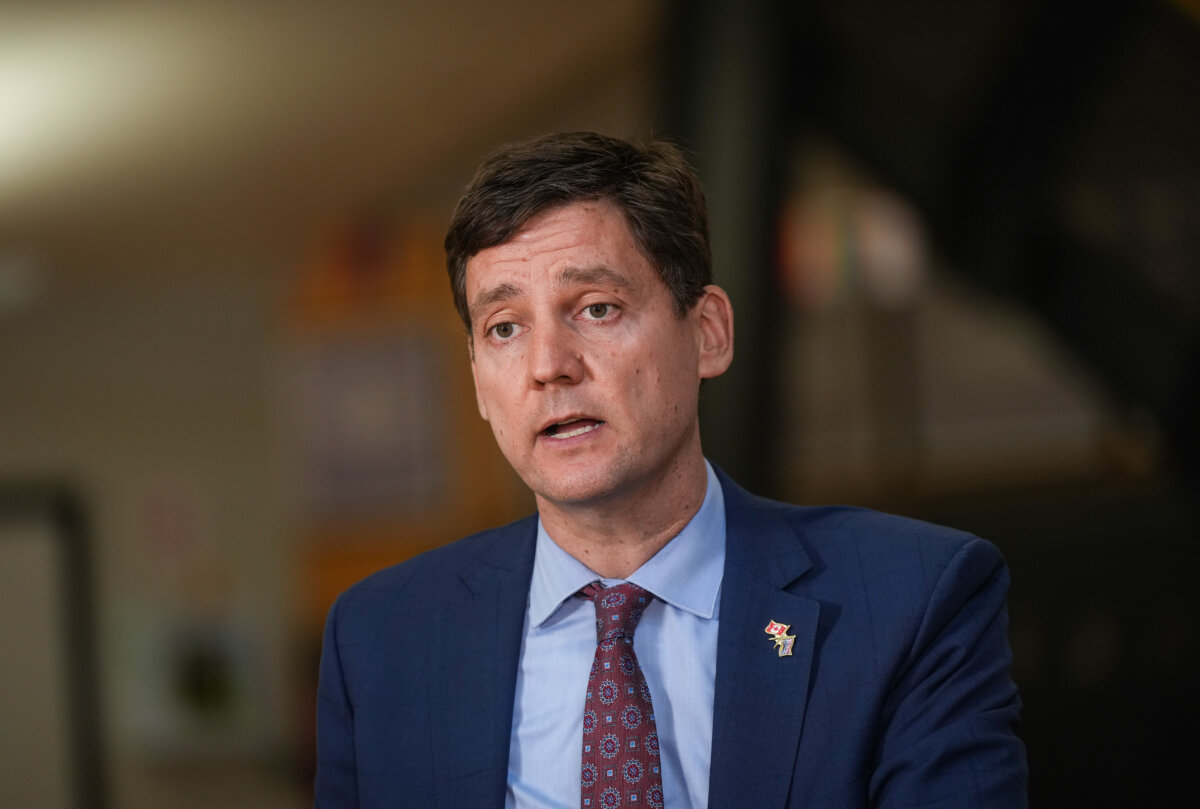

B.C. Premier David Eby says he was disappointed and surprised to hear Alberta and the federal government are working on an energy deal that could involve removing parts of the oil tanker ban on B.C.’s north coast.
A Nov. 19 report by the Globe and Mail citing unnamed government sources said Ottawa and Alberta are close to striking a deal on a new oil pipeline from Alberta to the B.C. coast in conjunction with a carbon capture project that could include exemptions to the oil tanker ban in areas where the pipeline accesses B.C. tidewater.
Ottawa and Alberta are reportedly set to sign a memorandum of understanding, which would require having a private sector proponent, indigenous participation, and environmental approvals.
Eby said in a statement that he was caught off guard by the news and the fact he wasn’t included in the discussions. In a Nov. 20 social media post, he said, “we need to be at table to protect our coast, unlock prosperity and ensure a bright future for all Canadians.”
For her part, Alberta Premier Danielle Smith said she and the federal government are still in negotiations over the province’s concerns about barriers to the oil and gas sector.
“We’re working on it,” Smith said during comments to the press on Nov. 20. “If we do get to an agreement with the federal government, we’ll certainly let you know, but I remain very hopeful as our negotiations continue.” Smith said transporting Canada’s oil and gas to tidewater and from there to international markets would help unlock Canada’s “wealth of resources” and help the nation “become a world leading energy superpower.”
Smith announced Oct. 1 that Alberta would act as chief proponent for a pipeline proposal it hoped to submit to the Major Projects Office (MPO) by next spring, citing federal regulations including the oil tanker ban and the Impact Assessment Act as standing in the way of Alberta’s energy future. Smith added that she was “confident” private investors would step forward once approval from the MPO was secured.
Liberal MPs from B.C. said altering the oil tanker ban on the province’s north coast would need approval from the province and any First Nations affected by the changes.
“The prime minister was pretty clear that the projects would need the support of the jurisdictions in which they’re being built,” B.C. Liberal MP and former environment minister Jonathan Wilkinson said Nov. 19.
Eby has consistently opposed lifting the ban and previously criticized Alberta’s pipeline plan as “not a real project,” while pipeline proponents such as B.C. Conservative MP Brad Vis say Eby and his NDP government are holding back the province from becoming “the richest place in the world.”
In 2020, the Supreme Court of Canada upheld a decision by a lower court that B.C. did not have a legal right to limit oil shipments passing through its territory, which was a significant milestone in the Trans Mountain Pipeline Expansion. The B.C. government tried to require companies transporting oil to get a provincial “hazardous substance” permit, but the appeal court’s five judge panel denied the request, saying regulation of interprovincial energy is squarely in the domain of the National Energy Board and Ottawa.
Asked previously whether Ottawa would use its authority to get pipelines built, Prime Minister Mark Carney said his government works by consensus.
“We will not impose a project on a province,” Carney said June 6 in Ottawa in answer to questions from media. “We need consensus behind these projects and we need the participation of indigenous peoples.”
 Friends Read Free
Copy
Facebook
Tweet
Friends Read Free
Copy
Facebook
Tweet