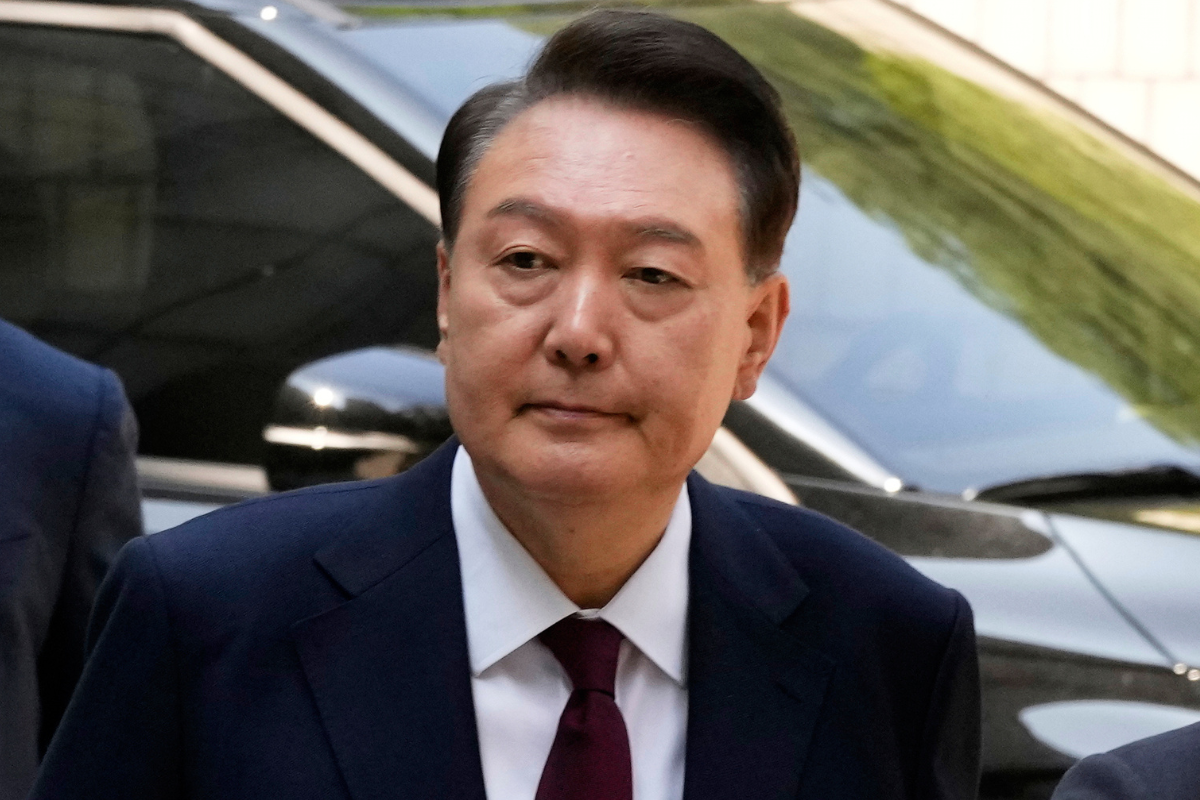

South Korea’s special council on Jan. 13 demanded the death penalty for the country’s former president, Yoon Suk Yeol, over his failed imposition of martial law in December 2024.
A member of special counsel Cho Eun-suk’s team made the request during the final hearing of Yoon’s trial at Seoul Central District Court.
The former president declared martial law for the purpose of remaining in power for a long time, assistant special counsel Park Eok-su said, according to South Korea’s Yonhap News Agency.
“The nature of the crime is serious, as he mobilized physical resources that should have been used only in the interest of the national collective,” Park said.
Yoon, 65, denies all charges. In his final 90-minute statement to the court, he said it was within presidential powers to call for a state of emergency and that doing so cannot constitute an insurrection.
“It was not a military dictatorship that suppresses citizens, but an effort to safeguard freedom and sovereignty, and revive the constitutional order,” Yoon said, according to Yonhap.
Yoon, a conservative, is on trial for insurrection after he attempted to impose martial law on Dec. 3, 2024. The former president backed down after six hours, following public protests and in the face of parliamentary opposition.
At the time, Yoon said he was aiming to protect the constitution because the opposition, which controlled Parliament, was sympathetic to communists and North Korea.
He was indicted in January 2025 on charges of leading an insurrection, and on April 4, 2025, he was removed from office following his impeachment. Lee Jae-myung, a former Democratic Party of Korea leader who led the impeachment bid against Yoon, won the presidency in the June 2025 snap election.
Death Sentence
The court is expected to return a verdict on the rebellion charges on Feb. 19.
The charges carry a sentence of either life imprisonment or the death penalty. Judges also have some leeway and can commute the sentence to as little as 10 years if they choose.
The most recent death sentence in South Korea was handed down in 2016, but the country has not executed anyone since 1997, as President Kim Dae-jung introduced a moratorium on executions in 1998.
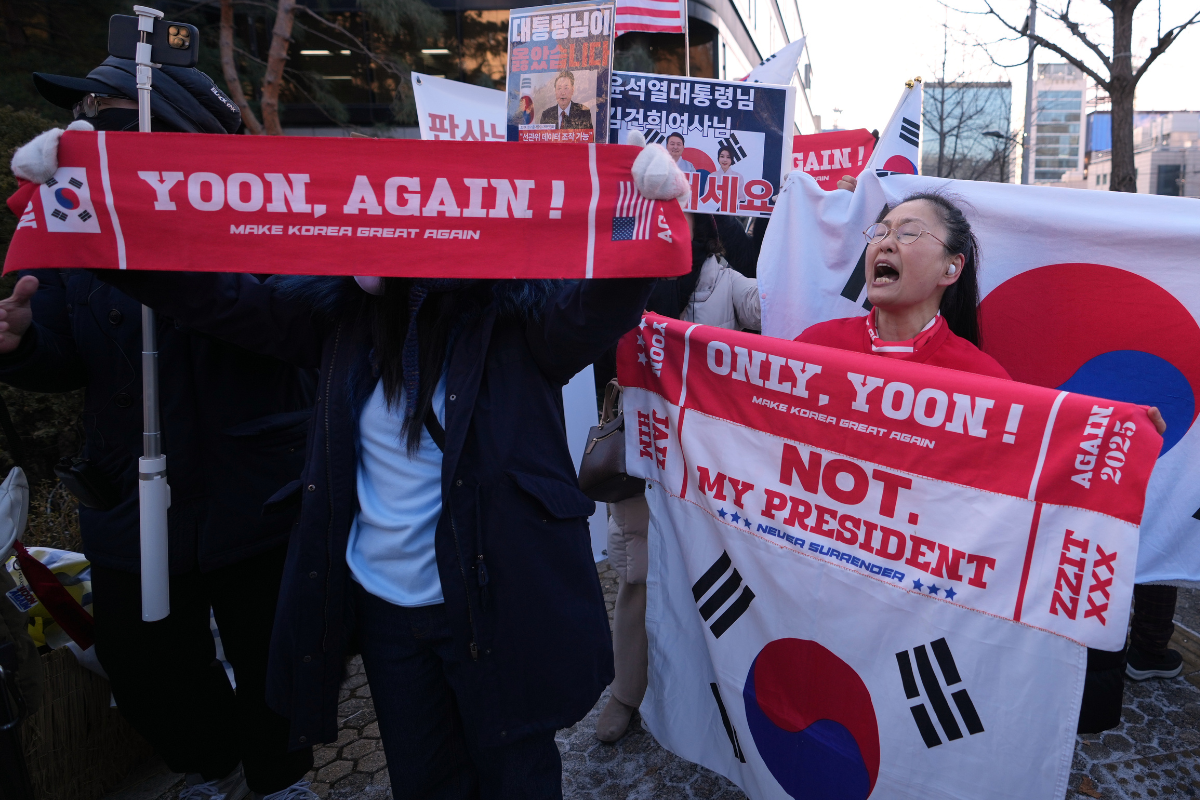
South Korean President Chun Doo-hwan was sentenced to death in 1996 for various crimes. Chun’s sentence was commuted to life imprisonment, and he was later pardoned and released.
Lee’s office said in a statement it “believes the judiciary will rule … in accordance with the law, principles, and public standards.”
Yoon is a former prosecutor who became president in 2022, only one year after entering politics. He is currently in jail and faces eight trials for various criminal charges related to the martial law declaration and other alleged scandals during his time in office.
The Associated Press and Reuters contributed to this report.
 Friends Read Free
Copy
Facebook
Tweet
Friends Read Free
Copy
Facebook
Tweet