
The federal government predicts its overhaul of negative gearing and capital gains tax will result in a tiny increase in rent, and spur new home building in some areas while conceding it will slow building in others.
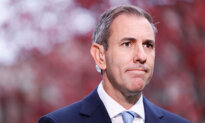
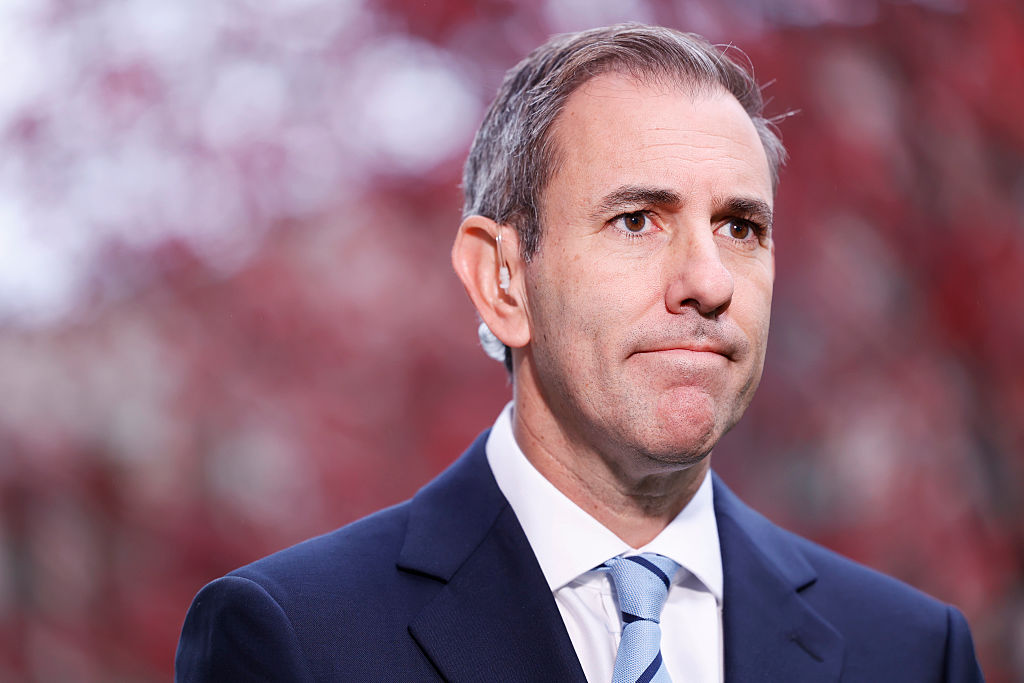
On May 12, Labor Treasurer Jim Chalmers unveiled the sweeping changes to wealth generation avenues for Australians with a particular focus on the housing market.
“The reforms are likely to have a small impact on rents, with an expected increase of less than $2 per week for a household paying the current median rent,” the budget papers say.
“For comparison, a single person receiving the maximum rate of Commonwealth Rent Assistance (CRA) received an increased benefit of more than $20 per week due to the 2023 and 2024 increases in CRA.”
Treasury says Labor’s policies will create more housing supply that will put downward pressure on rent.
How Labor is Overhauling Wealth Generation
One of the major changes is to remove negative gearing going forward except for new buildings.
As of 2025, approximately 1 million Australian taxpayers claim negative gearing on residential investment properties. These investors, comprising about 35 percent of all property owners, use rental losses to offset their taxable income.
The other major overhaul is to Capital Gains Tax (CGT).
In Australia, CGT applies when an individual sells an asset like an investment property, shares, crypto, and even prized collectable items. When these items are sold, the profit is taxed under the CGT. Under the previous regime, a 50 percent standard discount applied, which would lower the final payable amount for the person.
However, this discount will now be removed and replaced with a flat 30 percent tax along with an indexed amount that reflects inflation—likely costing Australians more.
Another measure is a new 30 percent tax on income received by trusts, a popular investment vehicle used by Australians to help split income and reduce their tax burden.
Measures to Slow New Home Building
The government admits that the sum of these measures will slow new home building by 35,000 properties, but says this will be offset by 65,000 over the next decade due to a $2 billion pool for housing infrastructure.
As for rentals, Labor Housing Minister Clare O’Neil said the government had implemented measures like increasing Commonwealth Rent Assistance for Centrelink recipients by more than 50 percent and pledged $59.4 million to supplement rental income for social housing.
“We’re continuing our work with the states and territories to get renters a better deal by strengthening renter protections and expanding long‑term rental supply,” she said.
“We’re backing this plan with serious investment, lifting our total housing commitment to a record of over $47 billion.”
Renters Feeling the Squeeze
In March, property group Domain released its 2026 rental report, which found a lack of supply in the market resulting in steady increases across major cities.
In Sydney, for example, the average median house rent jumped from $780 in 2025 to $800 in 2026.
In Brisbane, the jump went from $650 to $680, while Perth renters saw a rise of $690 to $740.
Melbourne was the only city where increases to the median rental price did not rise in that time, but that price still sits at $700 a week.
“Australia’s rental market remains under pressure, with vacancy rates falling to a record low of 0.7 percent nationally,” the report noted.
 Friends Read Free
Copy
Facebook
Tweet
Friends Read Free
Copy
Facebook
Tweet