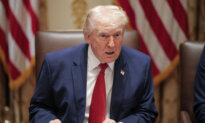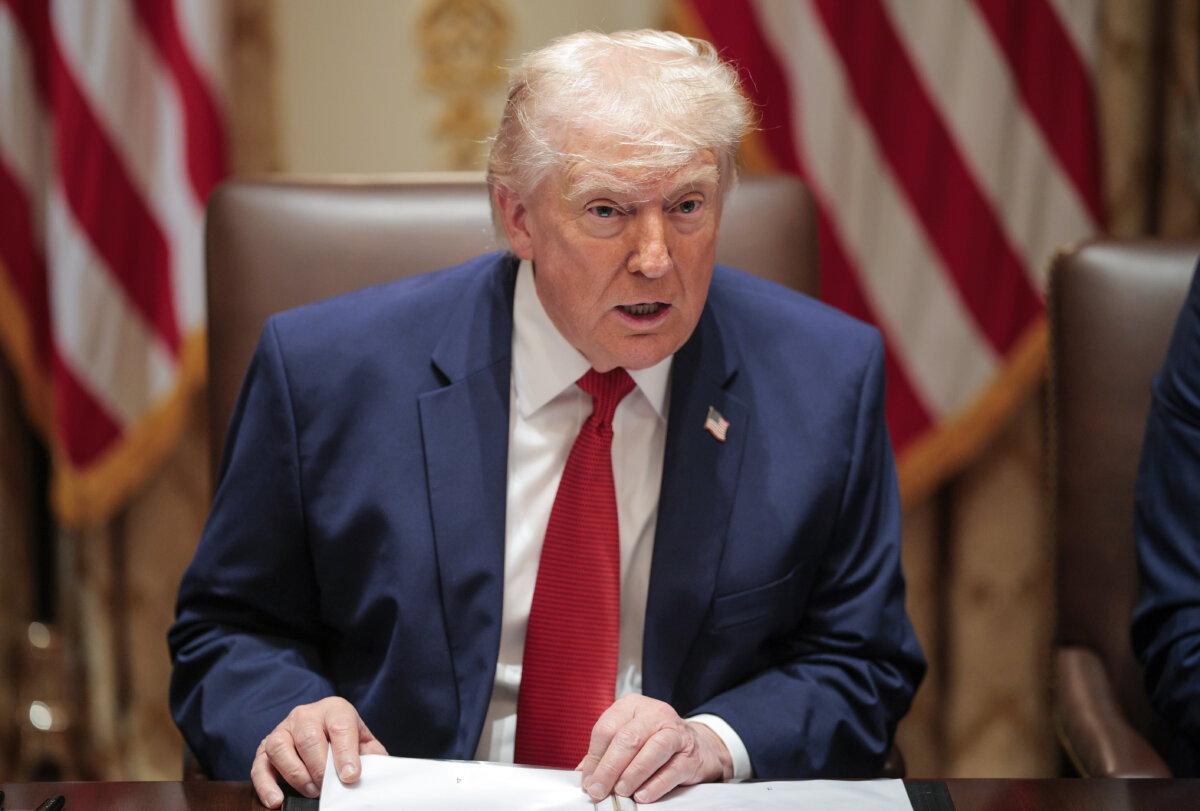

U.S. President Donald Trump on June 1 said that he believes the Iranian regime “really wants to make a deal” to end hostilities after fresh U.S. strikes on Iranian military targets overnight.
In a post on Truth Social, the president wrote that the deal between Washington and Tehran “will be a good one” for the United States, while he chided critics for “chirping” about the negotiations. The chatter about a possible deal makes it “MUCH tougher for me to properly do my job and negotiate,” he added.
Trump also criticized commentary about whether he “should move faster, or move slower, or go to war, or not go to war, or whatever” in the post.
“Just sit back and relax, it will all work out well in the end – It always does!” he wrote.
The U.S. military said on June 1 that it bombed radar and drone sites in Iran after Tehran shot down a U.S. drone over the weekend. Iran said it targeted American soldiers in Kuwait with missiles, which the U.S. military said it shot down.
A weeks-long nominal ceasefire between Iran and the United States has been repeatedly tested with such back-and-forth attacks, even as officials from both countries try to negotiate an end to the war. Last week, U.S. officials confirmed that the ceasefire initially announced in mid-April was extended for another 60 days.
Trump met with advisers on May 29 to hash out what he said was a final agreement to end the conflict. He has yet to decide whether to move ahead, as Iran has said the deal had not been finalized.
Fighting has also escalated between Israel and the Lebanese terrorist group Hezbollah, despite their ceasefire. Israel has extended its occupation deep into Lebanon, and Hezbollah—which joined the war in support of its main backer, Iran—continues to launch drones into Israel.
The U.S. military’s Central Command (CENTCOM), which encompasses the Middle East, said in a May 31 post on X that it carried out the strikes in Iran on Saturday and Sunday in the city of Geruk on Iran’s Qeshm Island.
“No American service members were harmed. CENTCOM will continue to protect U.S. assets and interests in response to unwarranted Iranian aggression during the ongoing ceasefire,” CENTCOM wrote.
Central Command said in a June 1 post on X that its forces intercepted Iranian ballistic missiles that were fired toward U.S. forces in Kuwait, an oil-rich nation in the Persian Gulf. The missiles, it said, were “immediately defeated” and there were no injuries to U.S. personnel.
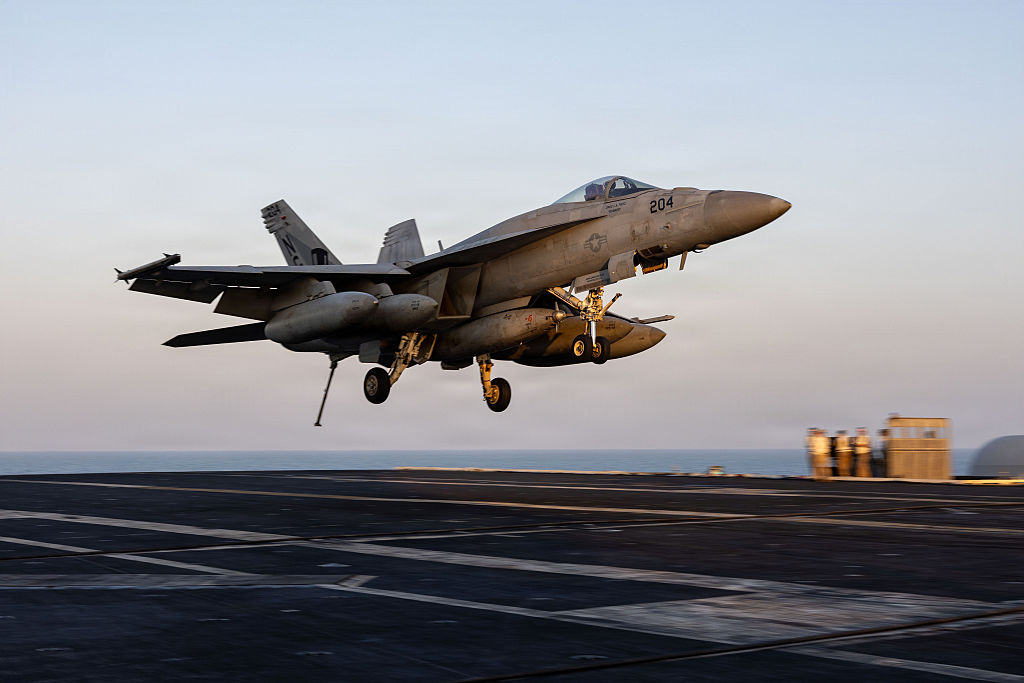
Since the start of the conflict in February, Iran has restricted traffic in the Strait of Hormuz, a key waterway through which around a fifth of the world’s oil and gas passes, keeping energy prices elevated. As of June 1, the average price for a gallon of gasoline stood at around $4.32, according to the American Automobile Association.
Responding to the recent strikes, Iranian state-run media reported Monday that talks between Washington and Tehran have been halted. The White House and Trump have not publicly commented on the reports.
The Associated Press contributed to this report.
 Friends Read Free
Copy
Facebook
Tweet
Friends Read Free
Copy
Facebook
Tweet