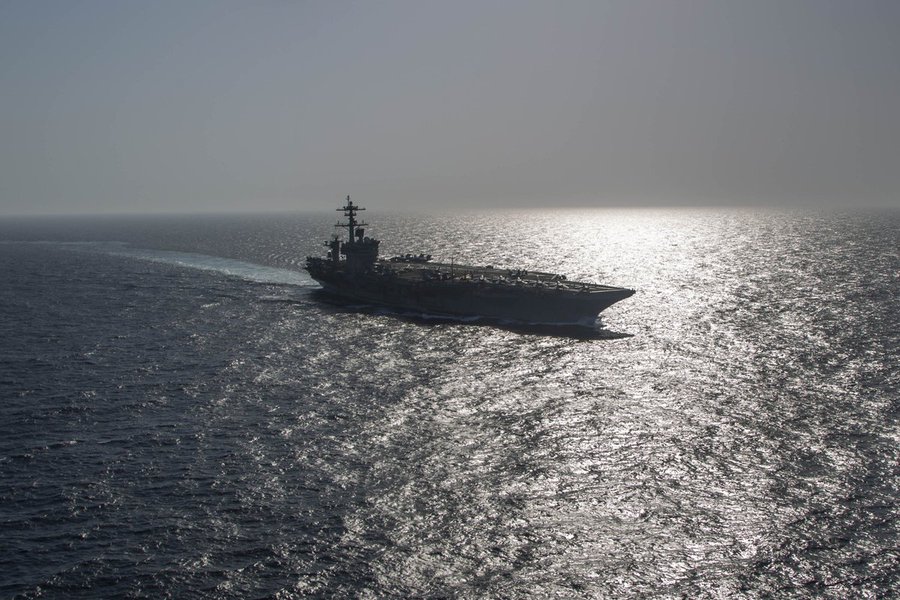

The U.S. military on Thursday morning said it disabled a third oil tanker that it said was attempting to carry Iranian oil to enforce a blockade on Iran’s ports, the third time an oil tanker was disabled by the United States in the past week.
The U.S. Central Command (CENTCOM) said in a post on social media that it targeted the Guinea-Bissau-flagged M/T Jalveer oil tanker while it tried to carry oil from Iran through the Gulf of Oman on Wednesday.
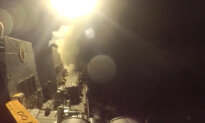
An undisclosed U.S. military aircraft fired two Hellfire missiles at the vessel’s engine room, CENTCOM said, adding that the crew of the vessel had “repeatedly failed to comply with directions from U.S. forces.”
It included video footage of the aircraft firing precision air-to-ground missiles at the Jalveer, showing a projectile striking the ship, followed by an explosion.
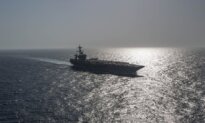
Since the blockade went into force on April 13, CENTCOM said it has disabled nine vessels, allowed 42 vessels with humanitarian aid to pass, and redirected 135 ships that complied with the military’s directives.
The blockade was initiated just days after U.S. President Donald Trump announced a ceasefire between Iran and the United States that has mostly held up until this week, with renewed strikes being carried out by American and Iranian forces in recent days.
The ceasefire was designed to set up talks between the United States and the Iranian regime, although no concrete deal has materialized so far.
The United States and Iran traded strikes for a second day early Thursday, pushing the Middle East closer to the resumption of a full-scale war. The American attack appeared more intense and wider than the day before, but Tehran released little information on the extent of the damage through state-run media.
It was the third time this week that back-and-forth strikes have rattled the Middle East. The first involved attacks between Iran and Israel, followed by two rounds of fire between the United States and Iran as Tehran fired at countries in the region that host American bases.
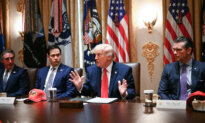
Earlier on Thursday, Trump warned that he would strike Iran “VERY HARD TONIGHT” and said that the United States could “assume total control” of Kharg Island “in the not too distant future,” referring to the major Iranian oil and gas terminal. He likened Iran to Venezuela, also indicating that Washington could control the country’s oil and gas industries.
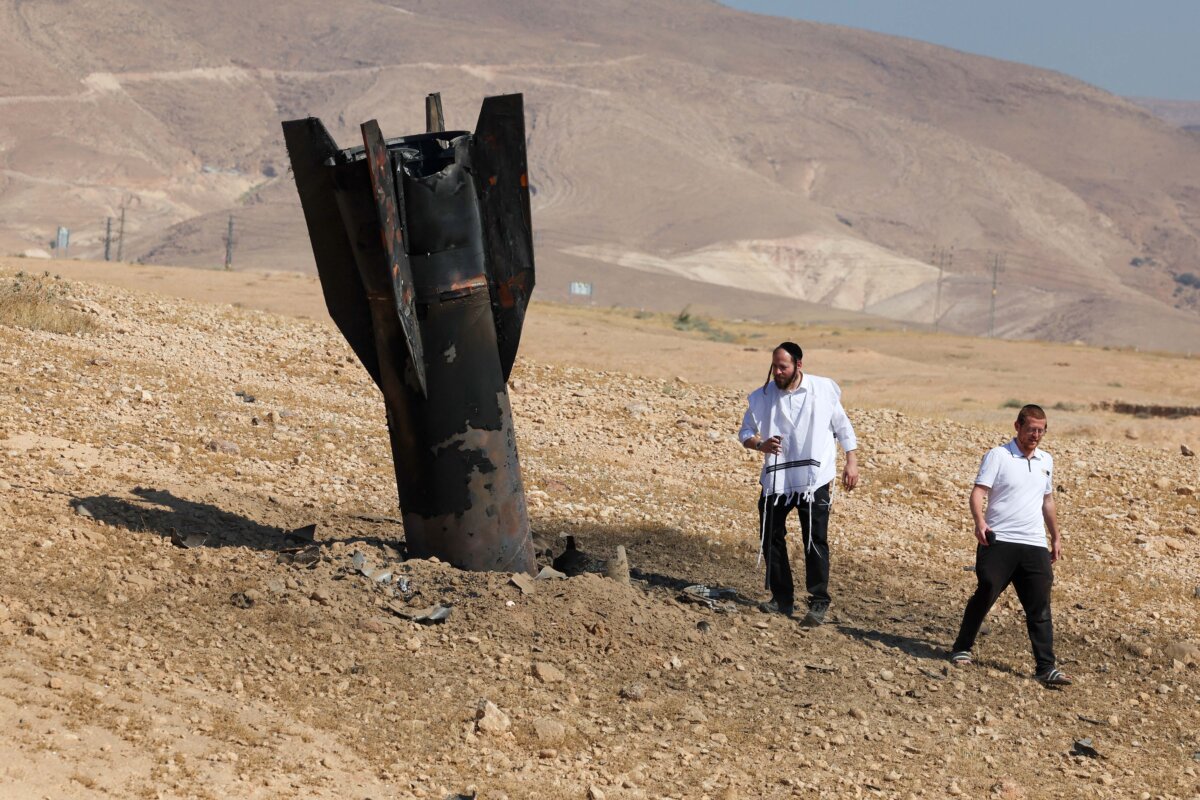
Tehran did not immediately comment on Trump’s latest remarks, but the Iranian Islamic Revolutionary Guards Corps (IRGC) said through the semi-official IRNA news outlet that it “successfully hit” 18 U.S. targets in the Middle East in the recent round of strikes.
Targets that were hit included Al-Salem and Ahmad al-Jaber air bases in Kuwait, a small, oil-rich country that has seen repeated attacks from Iran since the conflict started, according to the IRGC.
Since the start of the conflict, Trump has said that Iran must vow to end its pursuit of a nuclear weapon, hand over enriched uranium, and reopen the Strait of Hormuz, which has effectively remained shut down since February.
The Associated Press contributed to this report.
 Friends Read Free
Copy
Facebook
Tweet
Friends Read Free
Copy
Facebook
Tweet