
The U.S. Treasury Department announced a new round of sanctions against the Iranian regime on July 29, targeting eight vessels and their operators found to have been transporting Iranian oil, primarily to China.
The Treasury also sanctioned two newly established Iranian companies, which it said compel ships to purchase insurance to pass through the Strait of Hormuz, a critical choke point for exporting crude oil and natural gas from the Persian Gulf.
The action, coordinated with the Department of State, is part of the Trump administration’s efforts to cut off the Iran regime’s revenue sources, which Washington said sustain Tehran’s military operations and destabilizing activities across the Middle East.
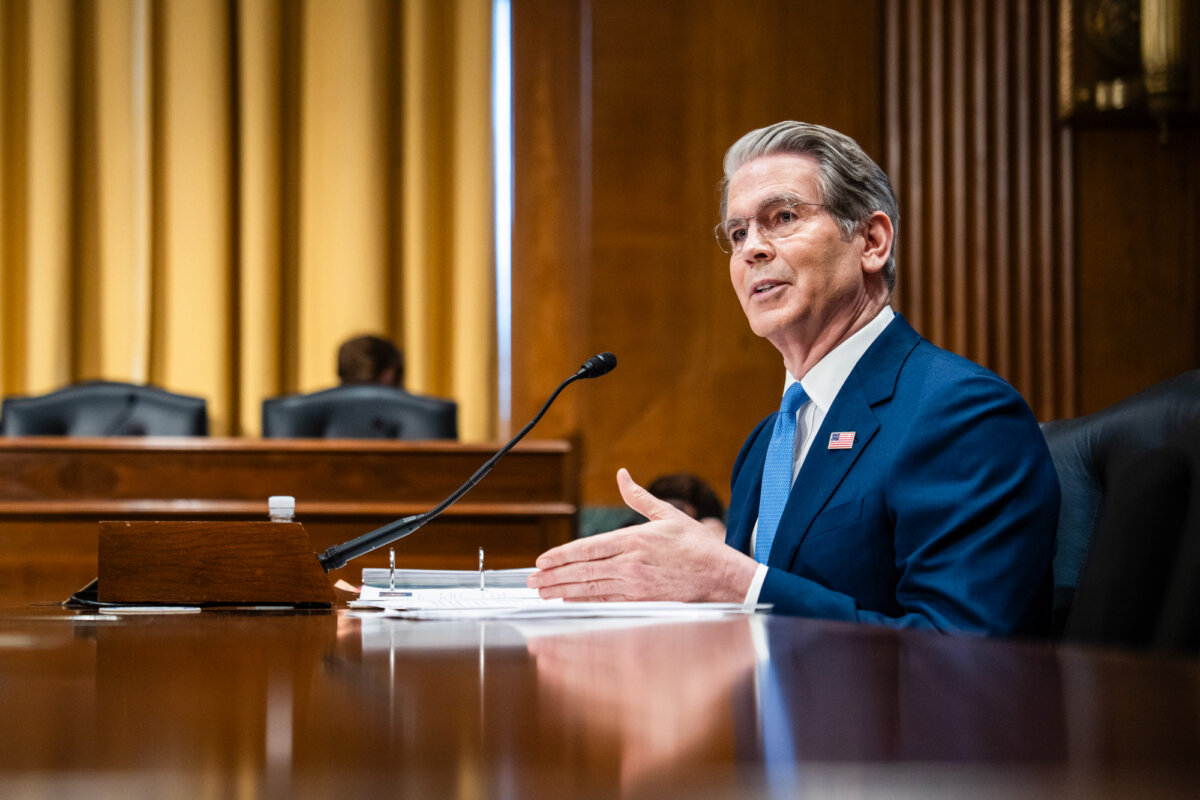
“With its economy in freefall and inflation in the triple digits, the regime is desperate for cash,” Secretary of the Treasury Scott Bessent said in a statement.
“The United States will not allow Iran to hold global commerce hostage or use international shipping to finance the IRGC’s terrorism, aggression, and repression,” he added, referring to the Islamic Revolutionary Guard Corps.
Of the eight targeted vessels, six were accused of shipping Iranian oil and petroleum products to China. One vessel, owned by Nevada Spirit in Hong Kong but flying the Barbados flag, has delivered millions of barrels of Iranian crude to China this year, according to the Treasury.
The list also includes a Marshall Islands-flagged chemical tanker, run by China-based Qi Hang Ship Management, which was found to have transported hundreds of thousands of barrels of Iranian petroleum products to the United Arab Emirates.
The eight companies operating these oil tankers, located in China and the Marshall Islands, were also added to the Treasury’s Office of Foreign Assets Control (OFAC) sanctions list.
Since the beginning of this year, more than 100 tankers linked to Iran’s so-called “shadow fleet” have been sanctioned, the Treasury said, calling it a covert network that provides a vital lifeline to the Iranian regime, which relies on oil sales to prop up its struggling economy.
The two Iranian companies targeted by the U.S. authorities are the Persian Gulf Marine Insurance Company and HormuzSafe Marine Services Authority. The Treasury described them as integral to the IRGC-backed “extortion scheme.”
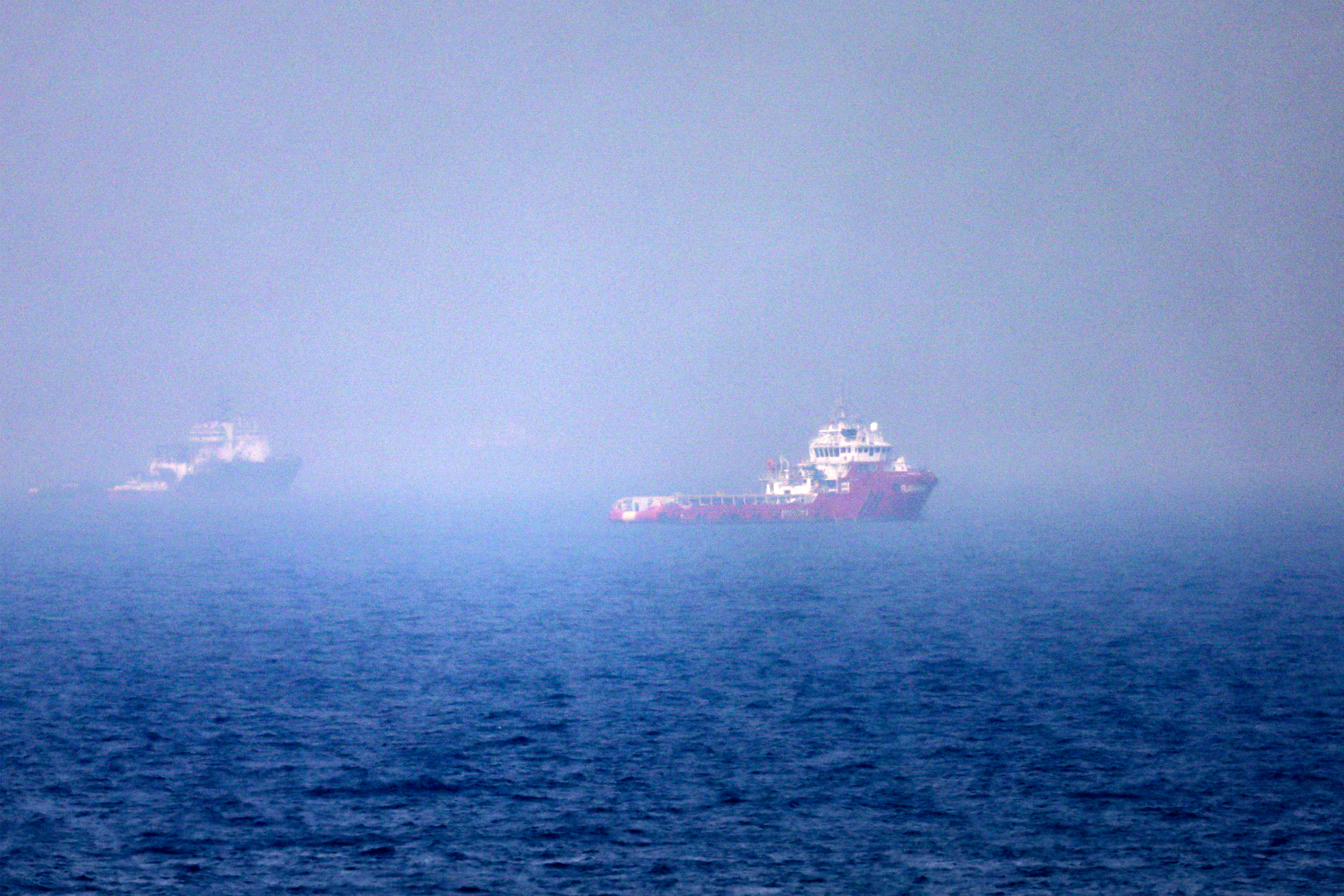 Ships sail near the Strait of Hormuz off the eastern coast of the United Arab Emirates at Khor Fakkan on July 13, 2026. (AFP via Getty Images)
State Department spokesperson Tommy Pigott said the sanctions were aimed at supporting the U.S. Navy’s enforcement of a maritime blockade on Iranian ports and coastal areas.
“The United States will continue to hold Iran accountable for weaponizing vital international waterways and evading sanctions through shadow fleet operations and deceptive financial schemes,” Pigott said in a statement.
“Protecting navigational rights and freedoms in the Strait of Hormuz is a global interest, and the United States will act, alongside partners, to ensure Iran cannot hold international commerce hostage to finance its malign activities.”
The sanctions were announced hours after U.S. President Donald Trump told Fox News that Iran would “get a beating” for Tehran’s attempted missile attacks targeting American forces in the Middle East.
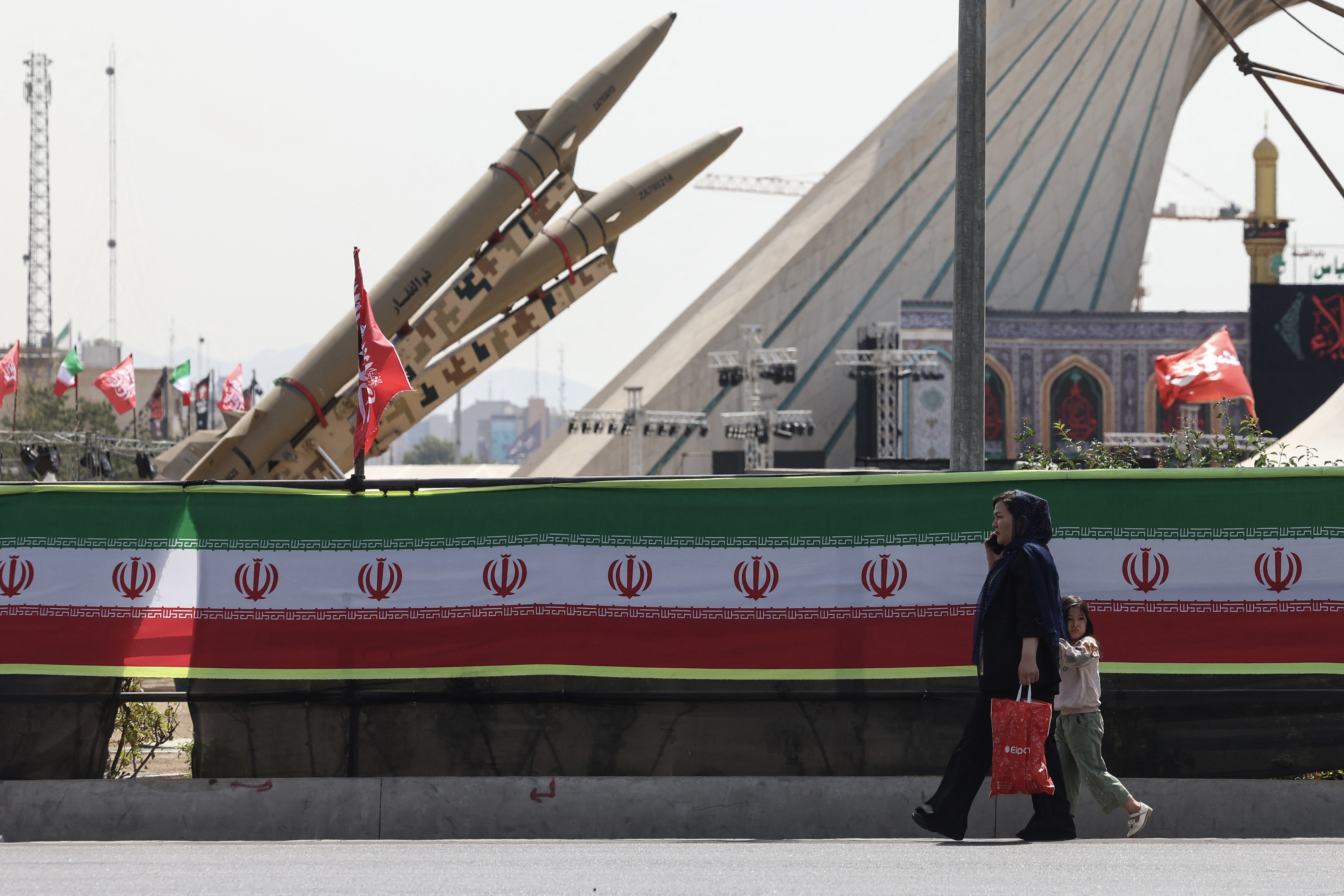 A woman and a child walk past Iranian-made Zolfaghar missiles displayed at Azadi Square in Tehran, Iran, on July 24, 2026. (AFP via Getty Images)
He made the comments in response to a recent Reuters report citing unnamed sources that said Iran is purchasing between 300 and 400 man-portable air defense systems from China.
“That would be surprising. I mean, things like that happen, but that would be surprising,” Trump told reporters in the Oval Office.
“He told me very strongly he wouldn’t partake,” Trump said, referring to Chinese leader Xi Jinping. “And he knows I’d be quite disappointed.”
 Friends Read Free
Copy
Facebook
Tweet
Friends Read Free
Copy
Facebook
Tweet