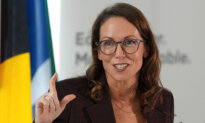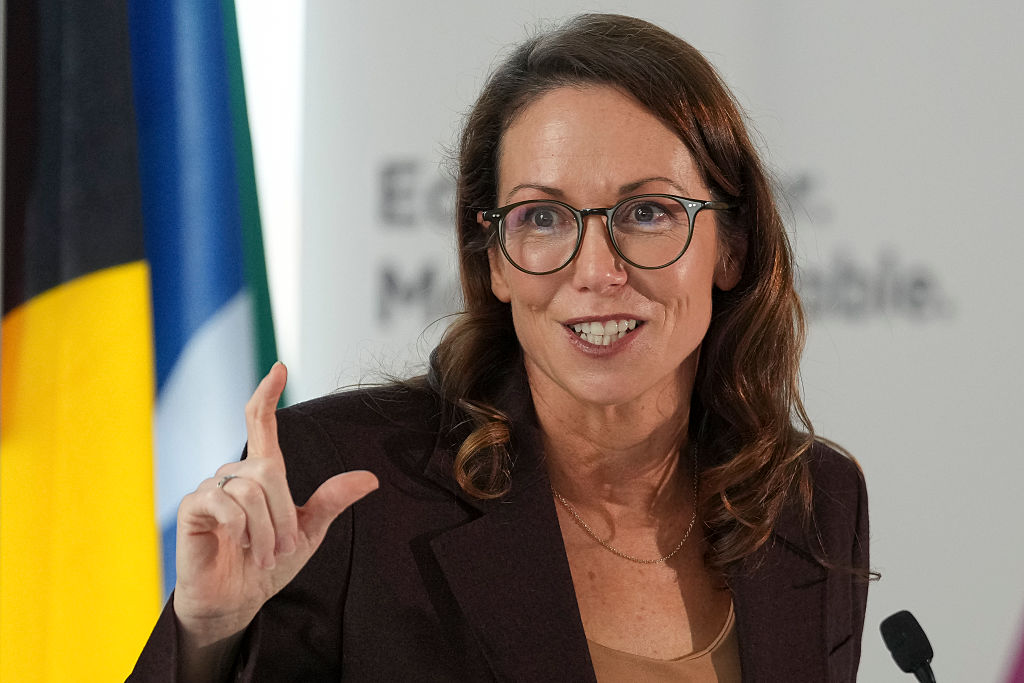

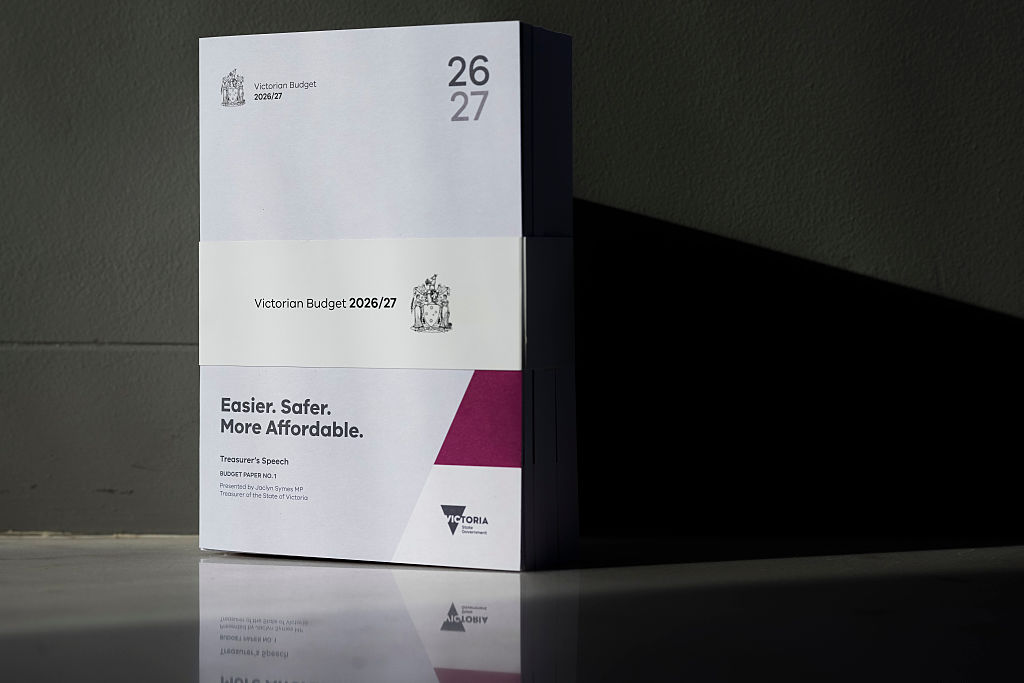
Victorian Treasurer Jaclyn Symes has delivered the state’s final budget before the 2026 election forecasting a net debt of $165.3 billion in June 2026.
The budget’s Statement of Finances revealed Australia’s second most-populous state’s debt is on track to reach $175.6 billion by June 2027, and a predicted $199.3 billion by 2030.
In terms of yearly deficit (pdf), Victoria ran a $7.7 billion loss in 2026-27, which is forecast to widen to $8.1 billion by 2029-30.
Despite this, the Labor government recently spruiked an operating $700 million surplus in 2025-26, rising to $1 billion in 2026–27. However, this figure is due to an accounting measure that excludes capital or infrastructure spending, which, when included, sends the deficit back to the multi-billion-dollar bracket.
Budget Sweeteners?
Despite rising debt and ongoing deficits, the budget includes a range of measures aimed at dealing with cost of living pressure.
The budget slashes the cost of vehicle registration by 20 percent with a rebate of up to $186 per car and a temporary halving of public transport fares. Public transport will also be made free for children under 18.
The budget expands access to free dental check-ups and vision care for children. In infrastructure, the government has allocated $674 million for 25 additional trains to be built in Ballarat.
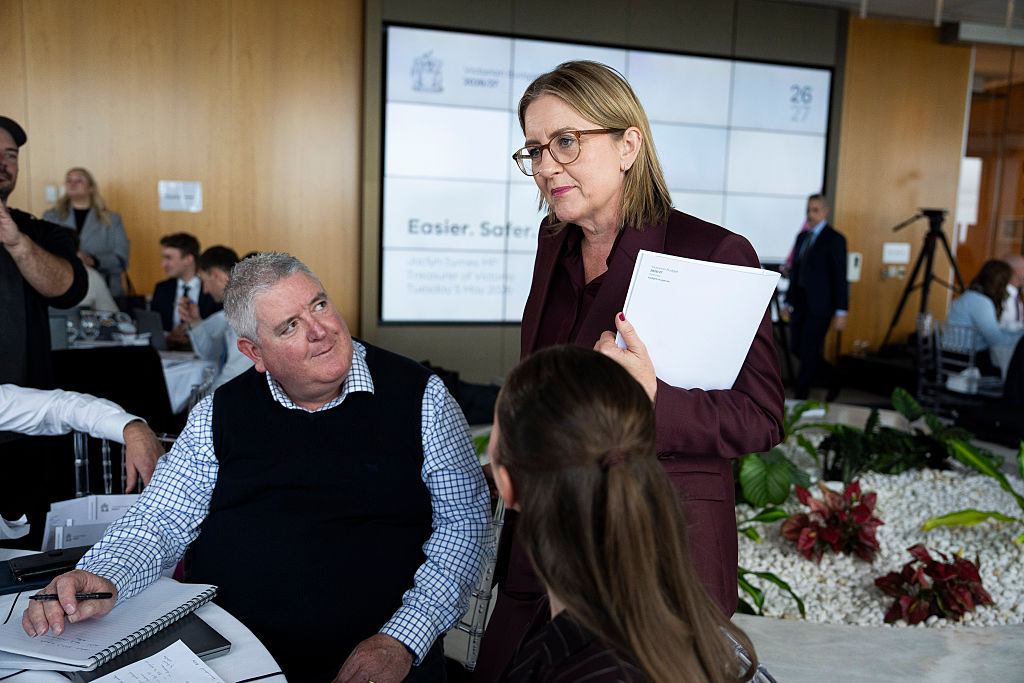
How Health, Education, Social Housing is Being Spent?
The budget includes a record $32 billion spend on health including $3.9 billion in new funding.
This comprises $2.1 billion for hospitals and workforce support, $567 million for health infrastructure, $133 million for hospital-in-the-home programs, and $299 million for mothers, babies and young families.
A further $284 million has been allocated to open and operate hospitals, including $95 million for the Werribee Mercy Hospital emergency department upgrade, along with $10 million for urgent care clinics.
In education, the budget includes $5.5 billion in new investment as part of a total $19 billion spend in 2026–27.
Nearly $500 million has been allocated to expand early childhood education, including free kinder for three- and four-year-olds.
The budget also allocates $104 million for buying land for new schools in greater Geelong, Melbourne, Mitchell, Wyndham, Hume and Cardinia.
A further $419.6 million has been allocated for new schools and $511.5 million to upgrade 31 existing schools, along with $522.8 million for maintenance across the school network.
The budget also includes $860 million for a social housing growth fund that will provide 7,000 social housing homes.
Labor Points to Global Economic Challenges
Victorian Treasurer Symes predicted the economy would “continue to grow” amid global economic challenges.
“That growth will be supported by the rapid rise of cutting-edge technologies creating new solutions to old ways of working,” she said.
“We’re growing the economy, while making life easier, safer and more affordable for Victorians.”
Premier Jacinta Allan said she is doing everything she can to help.
“Half-price public transport, 20 per cent off rego–this is help that families deserve right now,” she said.
Opposition and Industry Response
The Victorian Liberals described the budget as one of higher debt, taxes, interest repayments, and delays.
“In coming years, interest repayments will reach $1.35 million an hour and Victoria will spend more money servicing its record debt than it does on Victoria Police, Ambulance Victoria, and all kindergarten services combined,” the party said in a statement.
“Under Labor, criminal offending is at an all-time high, it takes longer to get an ambulance today than it did 10 years ago, construction of new homes is at a decade low, roads are littered with potholes and at least $15 billion has been lost to corruption on major projects.”
Tim Piper, the head of the Australian Industry Group, said the budget did little to build the economy.
“The budget avoids bringing spending under proper control, while adding another $18 billion of new spending to the books,” he said.
“Five-billion-dollars has also been set aside as contingencies, which heading into an election points to more spending yet to come. S&P has already warned this could impact the state’s credit rating—a worrying outcome when debt servicing costs are forecast to push $12 billion per annum.”
 Friends Read Free
Copy
Facebook
Tweet
Friends Read Free
Copy
Facebook
Tweet