
Taking stock of 2011 provides a looking glass into what will shape 2012. The Epoch Times recaps pivotal moments and movements around the globe that are sure to make the headlines again in the coming year.
NORTH KOREA: New Regime’s Agenda Unfolds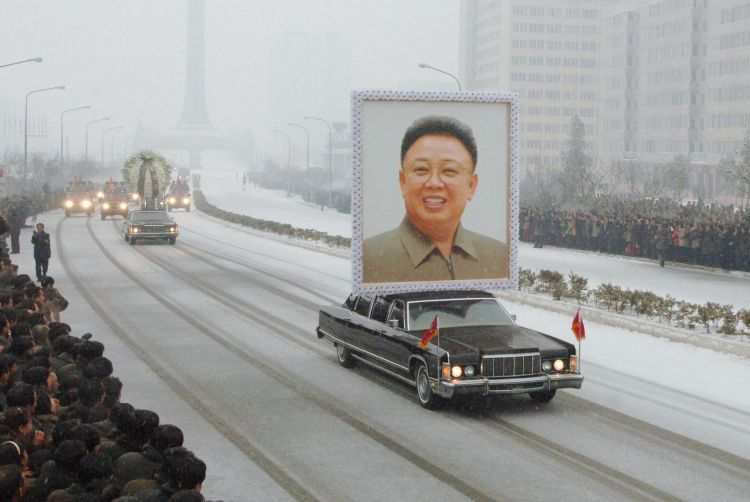 In late 2011, with the death of North Korean leader Kim Jong Il and the assent of his youngest son Kim Jong Un, the unpredictable, nuclear-armed hermit kingdom is even more of a wild card. The regime tried signaling it was stable—saying the younger Kim was in charge, and has the support of the military—but given his young age (mid-20s), the country will be ruled by a collective. Key issues in 2012 will be the domestic balance of power, relations with Beijing and Seoul, the stalled six-party nuclear talks, and the fallout from widespread famine. |
SOUTH CHINA SEA: Territorial Tensions BrewTensions and the prospect of military action in the South China Sea are likely to increase in 2012. The busiest seaway in the world accounts for the transit of at least two-thirds of the oil to Taiwan, Japan, China, and South Korea. Historic territorial disputes have been escalating with China upping its military presence and rhetoric with just about every other country adjoining the seaway. Washington has warned that the seaway must be kept free and open and is increasing its presence in the region including stationing 2,500 U.S. Marines in northern Australia. |
CHINA: 100 M Renounce Communist Party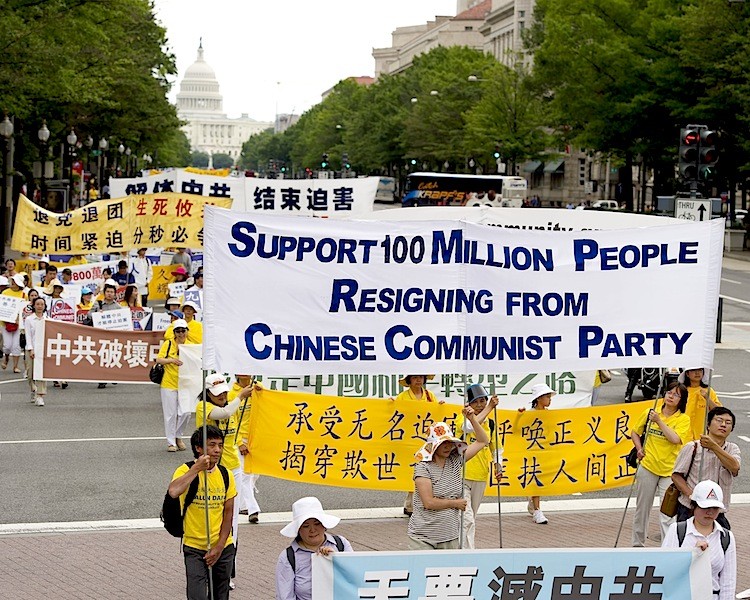 As of early August, 100 million Chinese had renounced the Chinese Communist Party (CCP) and its affiliated organizations. The “tuidang”—renounce the Party—movement seeks peacefully to dissolve the CCP one person at a time. In separating from the CCP, the Chinese people are seeking to separate themselves from the CCP’s crimes and reclaim their own freedom and conscience. This mass civil disobedience movement, as it continues to gain momentum, will be one of the biggest stories of 2012. |
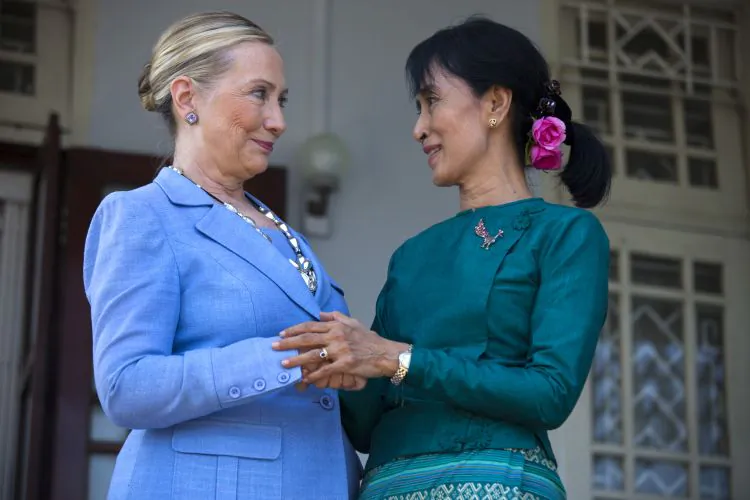
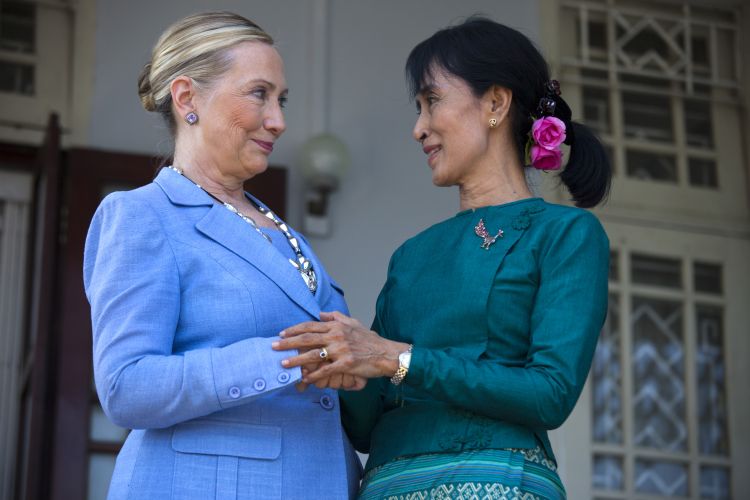
Burma: Opening to the West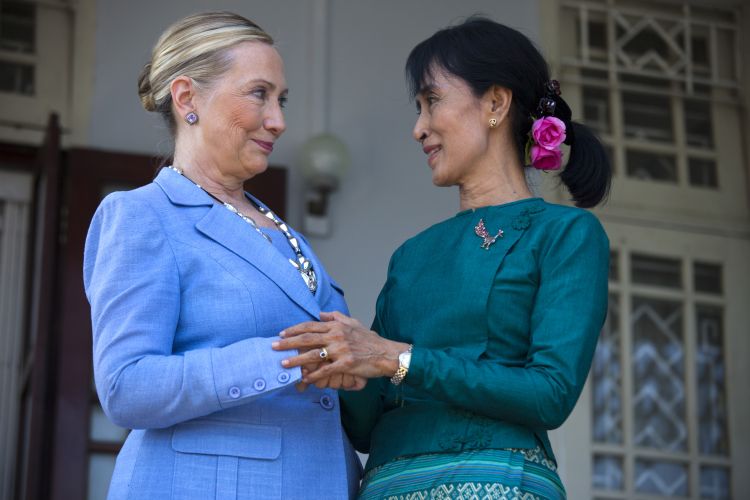 In Burma (also know as Myanmar), moves toward liberalization by the new civilian government have been welcomed with cautious optimism by the West and by Burmese opposition alike. In 2012, the world will be watching to see if Aung San Suu Kyi’s NLD party will be allowed to run in the postponed by-elections. For many Burmese, however, a positive outcome in peace efforts between the regime and different ethnic resistance armies may come to have an even bigger impact. |
Japan: Triple Crisis Still Carries Impact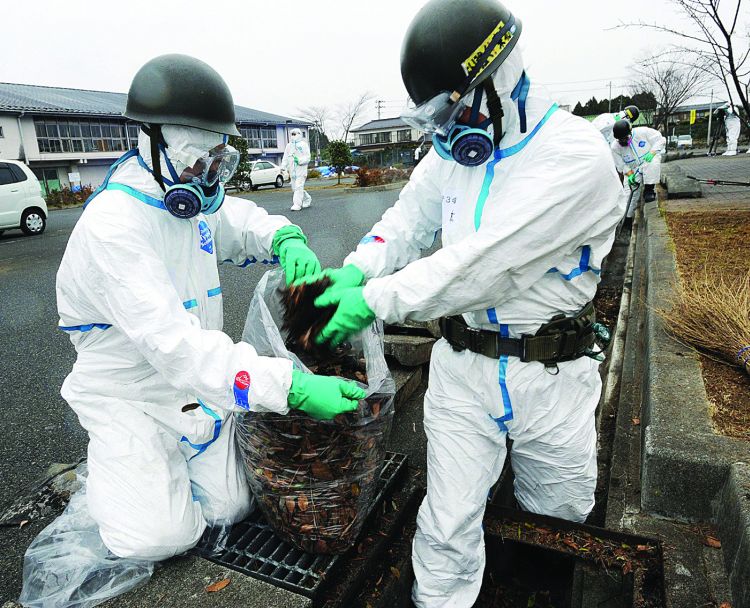 The crisis of the Great East Earthquake is not over yet. While Japan rebounded from the tsunami-induced slump in the last quarter of 2011, its export-led economy faces tough times depending how bad Europe’s debt crisis gets. Issues of compensation and rebuilding also still need to be worked out. And Japan’s ongoing nuclear woes—the Fukushima facility is still leaking radioactivity, and plant operator, TEPCO, says it may have to release more radioactive water into the sea by March—will likely continue to impact the global energy conversation in the year to come. |
 Friends Read Free
Copy
Facebook
Tweet
Friends Read Free
Copy
Facebook
Tweet