



Anyone who has visited will tell you: New Zealand is a land of unusually wondrous and pleasurable places. Rare penguins waddle adorably down black sand beaches. Glowworms beam their illumination down from the stone ceilings of otherwise midnight-black caves. Deep fjords cut through impossibly green forests. The jagged, snow-capped peaks of the Southern Alps seem to kiss the blue skies above.
Auckland, the country’s largest city and main entry point, doesn’t always get a whole lot of respect—especially from Kiwis (people from New Zealand) themselves. But this bustling metropolis of 1.8 million people is rather remarkable in all its own ways.
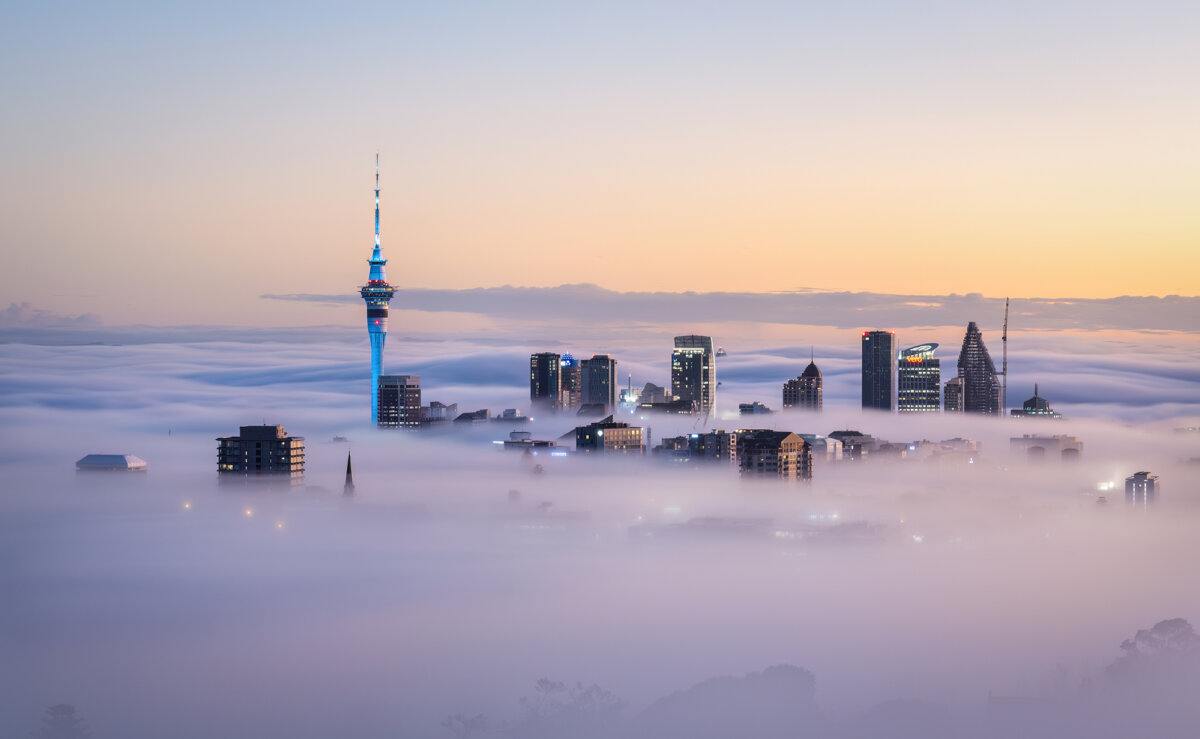
It’s a city set on the sea, with a recently rejuvenated waterfront and a wine island across the Hauraki Gulf. The glimmering downtown skyline rides undulating hills and is backed by a series of emerald green, dormant volcanoes. There’s good coffee and great food, and plenty of places to stretch your legs.
There’s a lot to explore in a single day. Here’s our guide to finding the best of Auckland in just 24 hours.
Arrival
If you’re flying from North America to New Zealand, you’ll almost certainly touch down at Auckland Airport (AKL). It serves as the principal hub for the nation’s (truly excellent) flag carrier, Air New Zealand, which connects this small country of about 5 million people to points all across the globe.
Their routes include nonstops to Houston, Honolulu, Los Angeles, and Vancouver, Canada, and an ultra-long-haul direct flight to New York City’s John F. Kennedy International Airport. At 17 1/2 hours southbound, this is one of the longest flights in the world. (American Airlines, Air Canada, Delta Air Lines, and United Airlines also provide service from North America to AKL.)
Although passengers inevitably arrive a little bleary-eyed and jetlagged after crossing the Pacific, AKL is a clean, compact, friendly place to land. The airport is located on reclaimed land near Manukau Harbour, about half an hour by expressway southwest from the city’s Central Business District (CBD). Ride-share services and taxis are easily accessible, and buses are also available from the airport’s transport hub. Passengers don’t need a ticket in advance; they simply tap a credit card when boarding and disembarking.
Morning
Zonked and now in a faraway time zone where day is night and night is day, the urge will be strong to head straight to the hotel, negotiate an early check-in, and head straight to bed. Resist it, mightily. Not only will this make the jet lag adjustment easier, but jump-starting this busy day will be so much better if you hit the ground running.
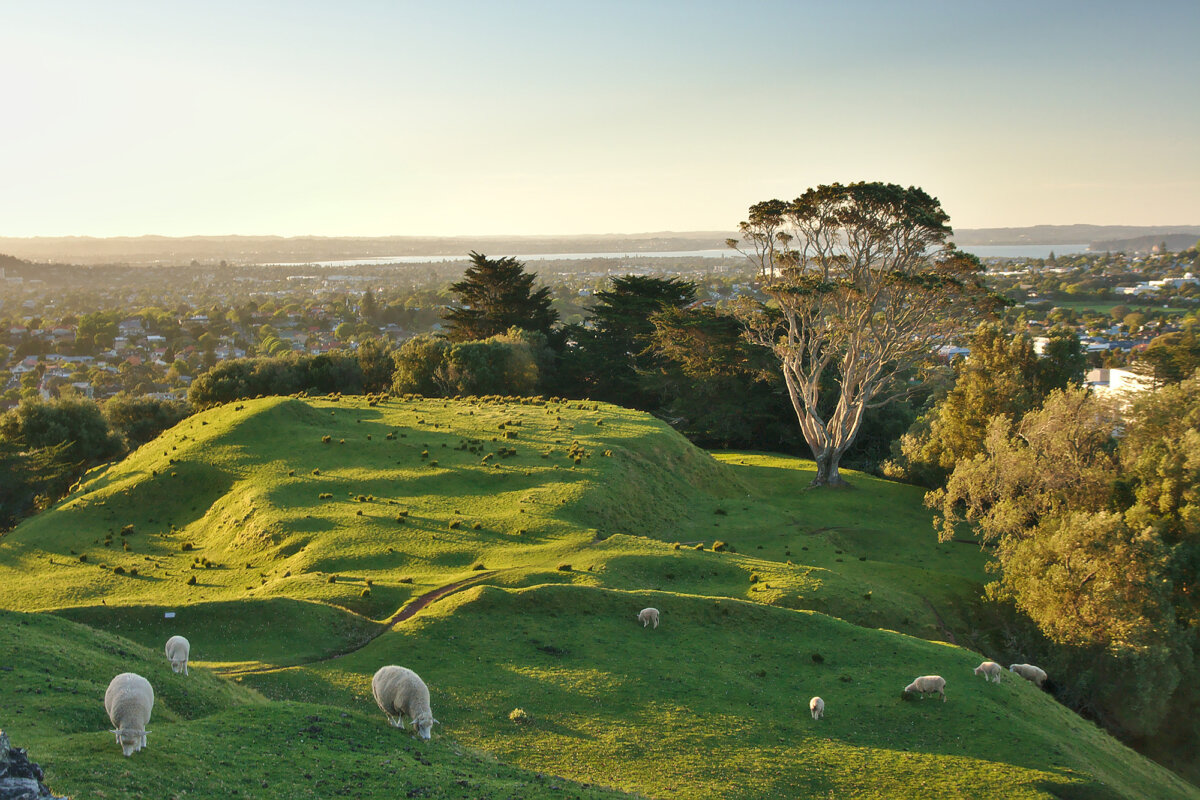
Or, at least, walking. Head up the slopes of Maungawhau (or Mount Eden), the highest point in the city. A dormant volcano just a few miles from the CBD, its significance is both natural and cultural. Taken together, they make this one of the coolest urban green spaces you’ll find anywhere.
First, fortify with a flat white and a snack at Friend & Whau Cafe, on the flanks. The attached visitor’s center gives good background on the history of this place. Then enjoy the fresh air and a leisurely stroll up the boardwalk to the top. Once there, marvel at the crater—about 164 feet deep—left by a massive eruption some 15,000 years ago.
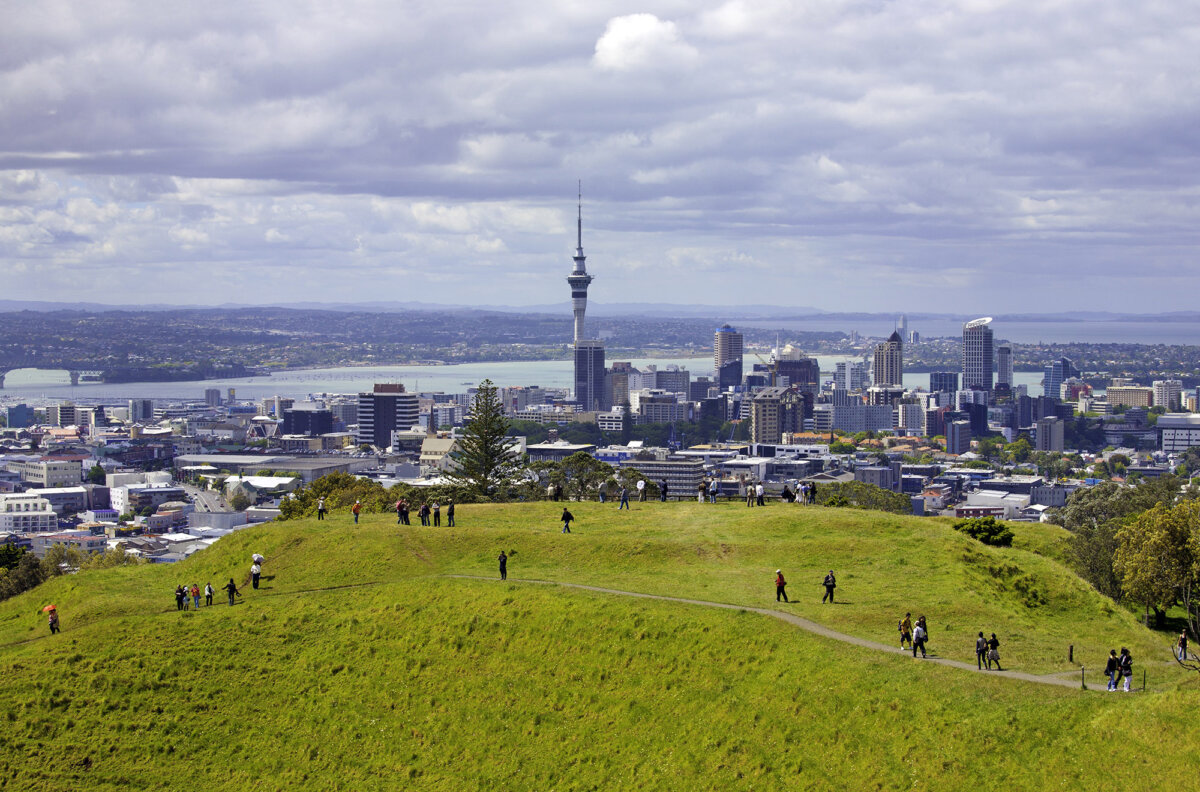
In the Maori language, the crater is known as Te Ipu-a-Mataaho, named for the god of earthquakes and volcanoes. For centuries, the mountain has been sacred to the Maori. You can still see the terraces from the time it was fortified as a grand pa; for centuries it was a place where thousands of people lived, worked, and worshipped.
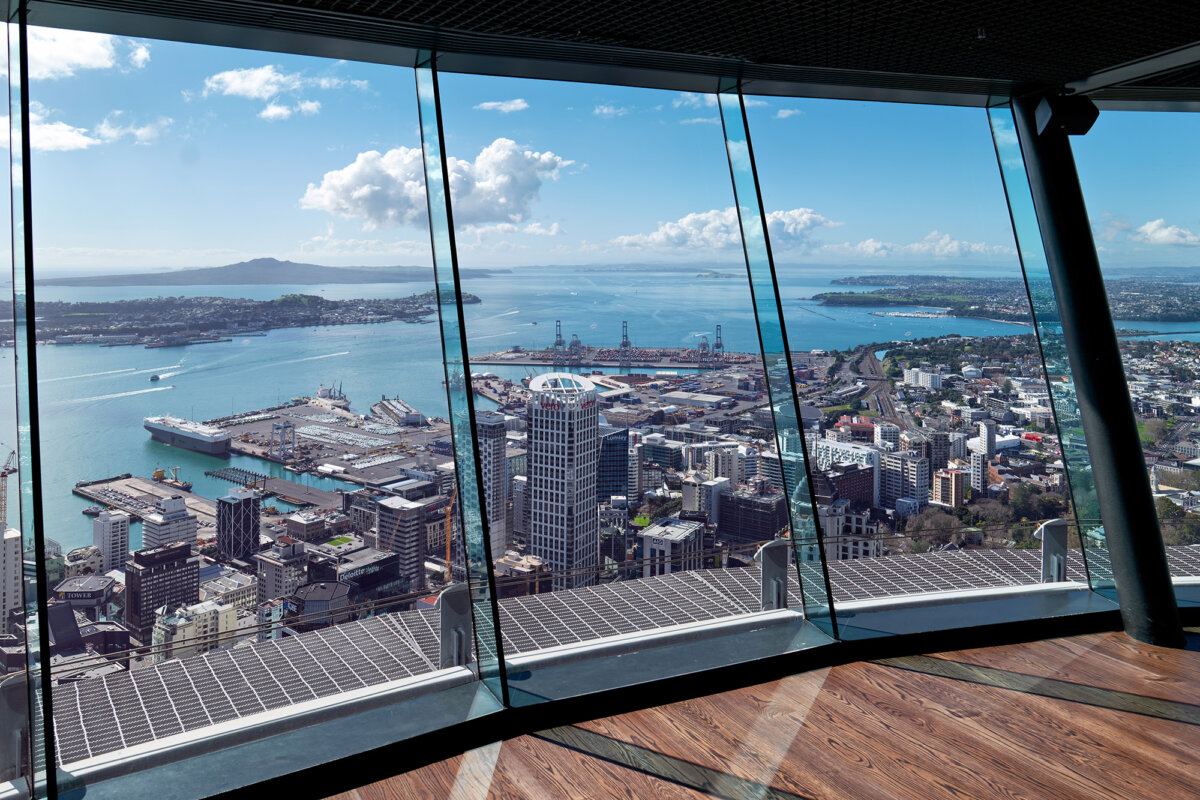
Head down the slope into the CBD to the Sky Tower for another high-altitude experience. Rising more than 1,000 feet, it’s the second-tallest freestanding structure in the Southern Hemisphere and a true symbol of the city. Taking a trip to the top gives 360-degree views more than 50 miles in all directions, showing dozens of volcanoes, plus islands, urban landscapes, and ocean. (Those who crave adrenaline can even take a tethered walk outside around the observation deck or leap from the top on a controlled base jump.)
Afternoon
Ride the elevator to the bottom and encounter a near-religious experience in Sky City, right at the base of the tower. Rugby is more than a sport to Kiwis. It forms the backbone of the nation, Maori and European and beyond—a sport that unites people in their passion.
The All Blacks Experience celebrates the national rugby team. A guided tour here is an immersive (and really fun) experience. Enthusiastic guides walk small groups through the history and legacy in five different zones, including a replica locker room where you can sit in the space of your favorite player.
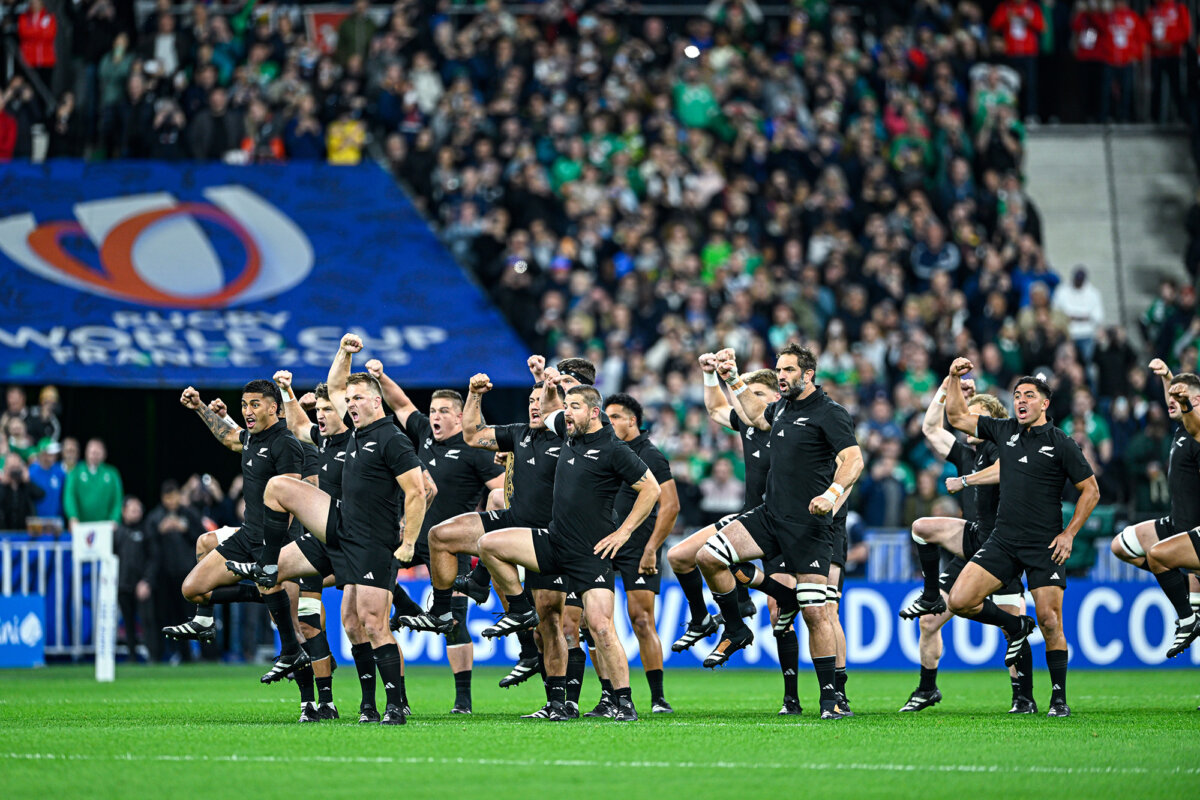
It all culminates with a spine-tingling virtual performance of the Haka. A time-honored tradition, this ceremonial dance has long been a show of strength. In the past, it prepared warriors for battle. Today, the Haka serves the same purpose for players—allowing them to display ferocity and intimidate the opposing team.
Now we have a dilemma: when to eat, with so much left to do? Popping into the Federal Delicatessen, just across the road, is fast and convenient. The place feels like an old-school diner, complete with a menu of comfort food, including perhaps the finest Reuben sandwich in town. It goes well with a gooey side of poutine.
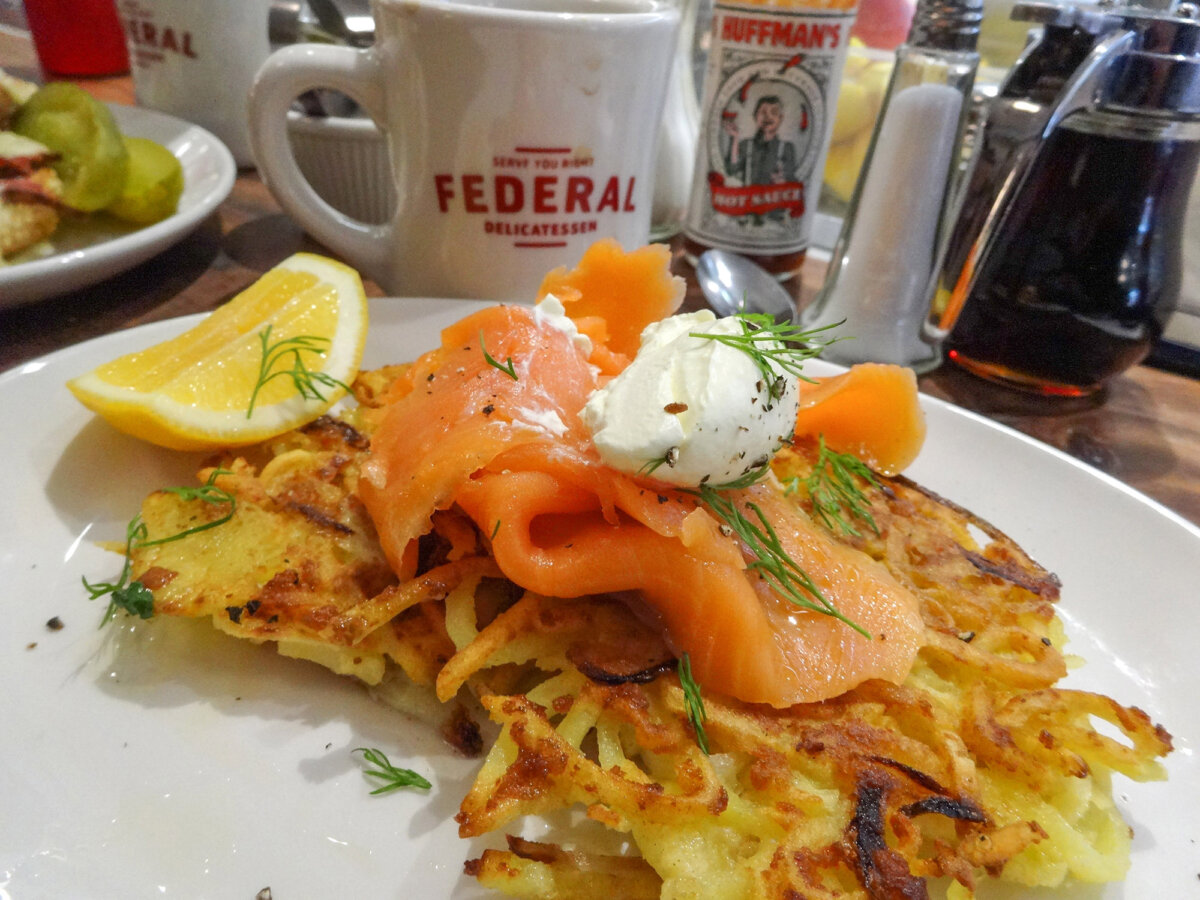
Save some room for a late lunch of fish and chips. Going out to Waiheke Island may seem a little ambitious for a one-day itinerary, but it’s so worth it.
The busy ferry piers in the harbor are only about 10 minutes away on foot, down a gentle slope. Hop on a boat with Island Direct, which will shuttle you across the Hauraki Gulf in about 45 minutes. Hot tip: Once you board, make your way to the top deck, where the views are the best and salty breezes will caress your skin as you cross.
When you disembark on the wharf at Matiatia, a whole new world will surround you. It’s as if the short ride delivers passengers to a far-flung South Pacific island. A sign nearby advises, “Slow down, you’re here.”
And indeed, the lovely, languid pace in Waiheke, home to fewer than 10,000 people, matches the feel and the semitropical scenery of a South Pacific island. Ideally, you could take a wine or gourmet tour—some 30 wineries are located here, most with public tasting rooms (or in New Zealand parlance, “cellar doors”). But again, time is a factor.
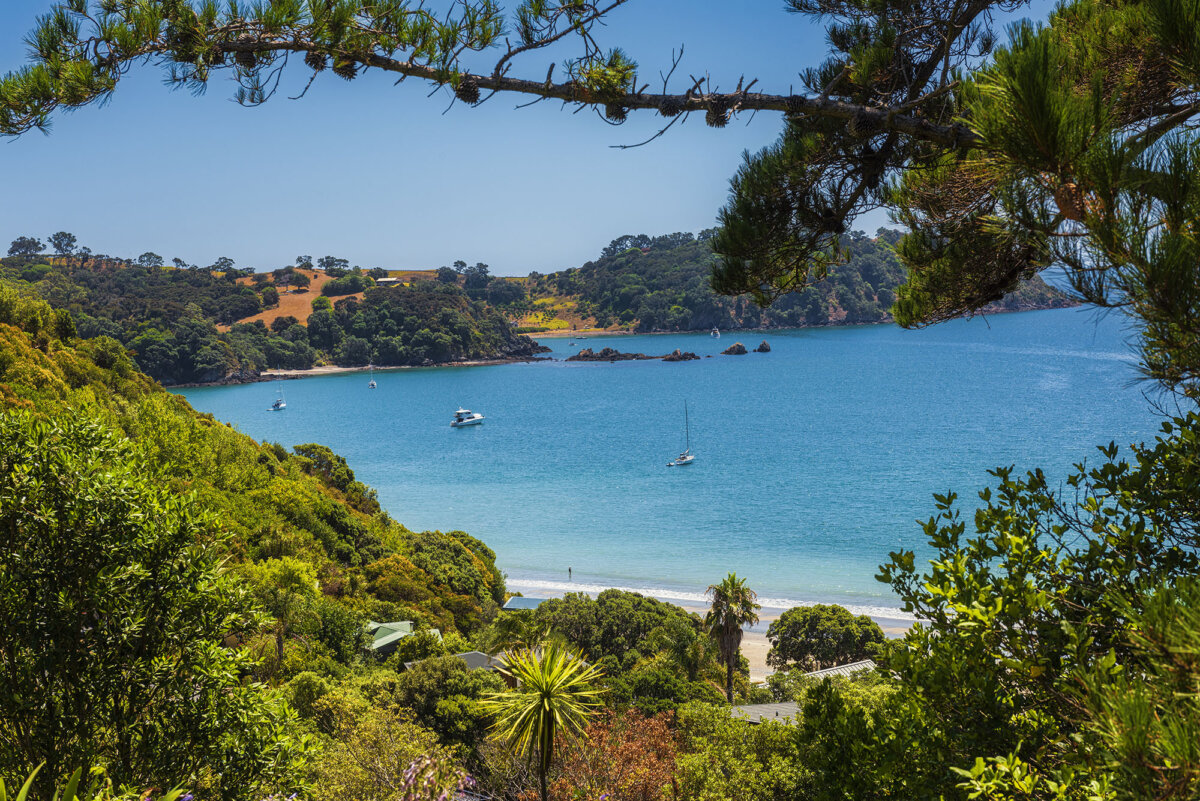
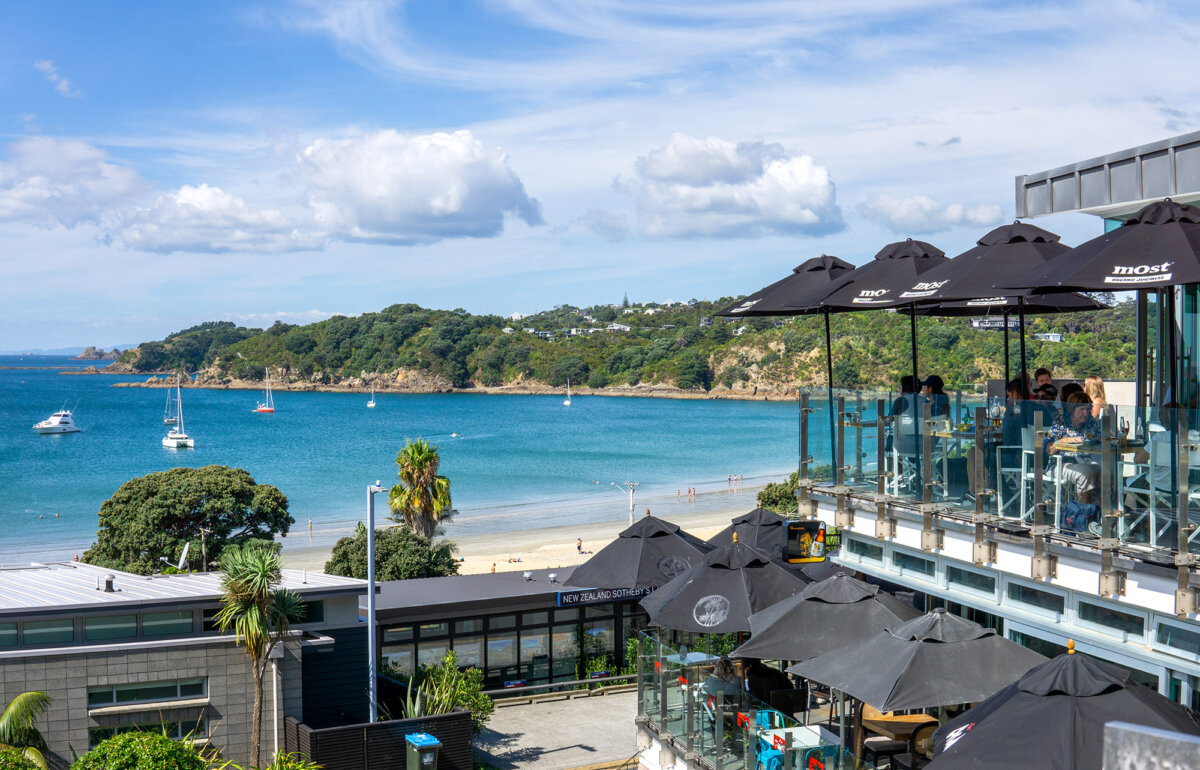
The next best thing? Just hop on the bus. Remarkably, for a small, sleepy, tourist-oriented place, Waiheke has an excellent public transit system. Tap on with your credit card, and ride the curves and contours of a two-lane road to Onetangi Beach. Tap off, and find yourself in a land of barefoot surfers, sun-seekers, and swimmers.
This crescent of sand is the biggest beach on the island. Walk along The Strand and find Charlie Farley’s, a laid-back pub with a sprawling patio and some of the best people-watching on Waiheke. Is this a very late lunch or an early dinner? Your choice. Either way, order the (excellent, steaming) fish and chips, sit back, and listen to the big waves roll in off the ocean.
Evening
We’ve arrived at a crossroads. Option one: Linger on Waiheke. A whole string of wineries lines the road just outside Onetangi Beach, en route back toward the ferry port and the main town of Oneroa. Bus passengers simply hit the red “stop” button, and the driver will let them out wherever.
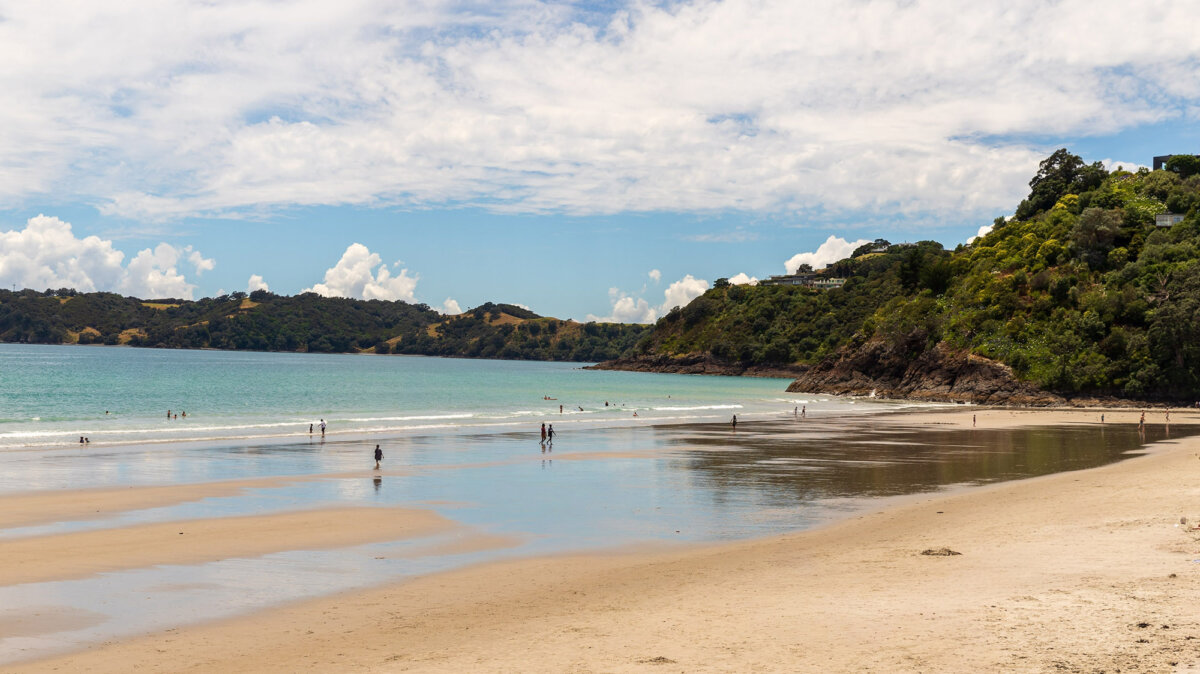
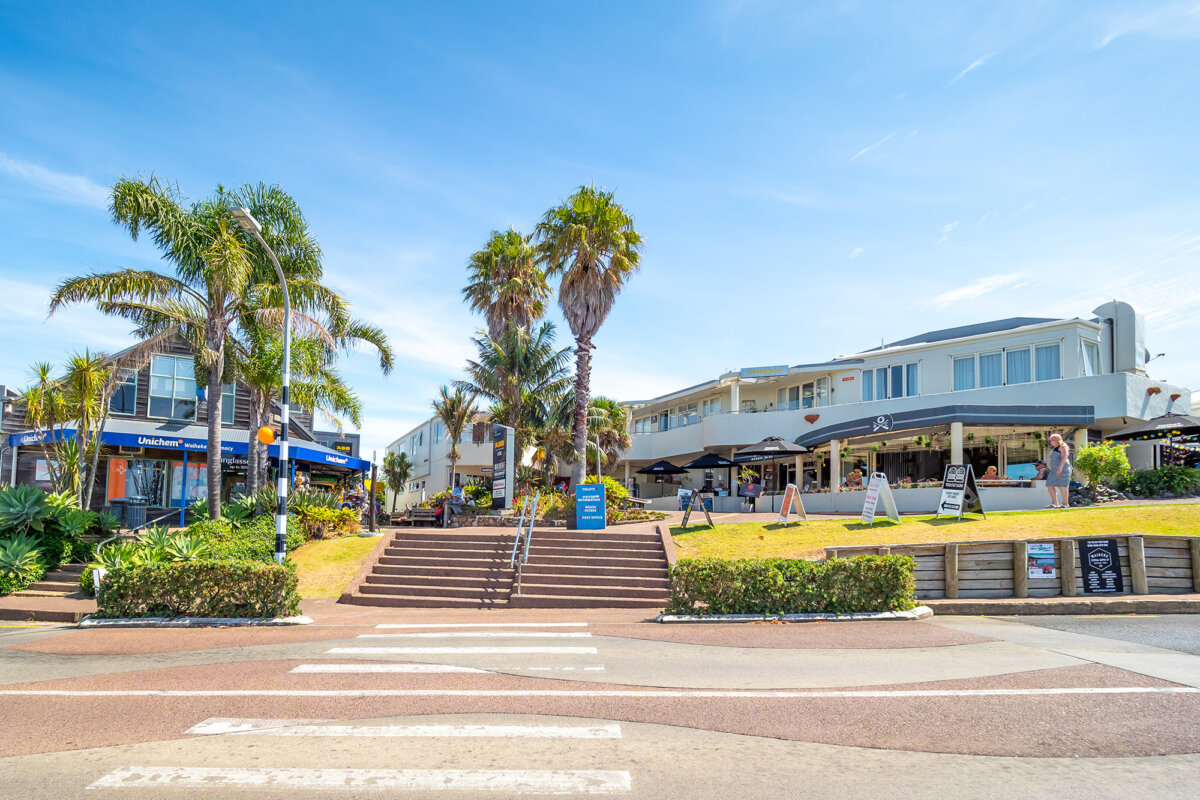
Find a cellar door and sip a Bordeaux blend or a syrah, or perhaps some of their famous chardonnay. Then flag the next bus rumbling back to Matiatia. Another recommendation is to make a little time for Oneroa, a charming village where cafes and gift shops with local handicrafts, plus boutique supermarkets, climb uphill along the Main Street. Glimpses of blue sea peek through the gaps between the buildings.
Or, option two: Hop back on the boat immediately. Depending on the time of day and the season, your passage back to Auckland might be blessed by a beautiful sunset. And Britomart is just a few steps from the downtown piers.
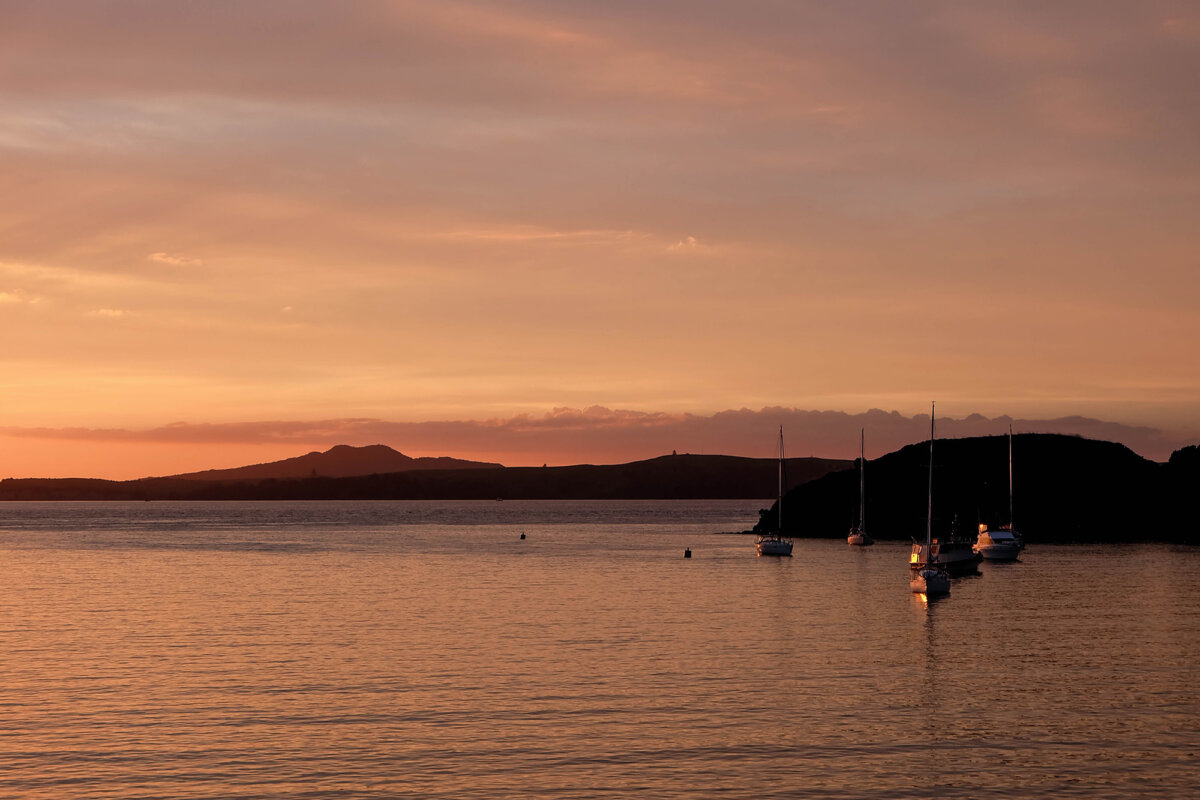
Once rough-and-tumble, as port neighborhoods tend to be, today the former warehouses here have been converted into high-end shops, five-star hotels, and some very good cafes and restaurants. Wander, browse, and, if appetite still allows, nibble.
Amano, for example, serves fresh fish and seafood and Italian-inspired fare in a lovely, vaulted, brick-lined space.
Linger as long as you like. Admire the murals. These lanes and little streets invite ambling. As you stroll into the night, reflect on a busy day in a beautiful city.
_________________________
A Note on Currency
Currently, New Zealand is relatively inexpensive for American travelers—and that has a lot to do with the dollar. Currently, $1 will buy about NZ$1.65, making everything, from a hotel room to a cup of coffee, quite a good deal.
Speaking Kiwi
Officially, New Zealand has two spoken languages. English is ubiquitous and most people’s mother tongue. But you’ll also hear Te reo Maori everywhere. It’s recognized as a treasure, and a smattering is commonly used in day-to-day conversation, especially “Kia ora,” which means “hello.” (More literally, you’re wishing someone good health and life, which is rather nice.)
