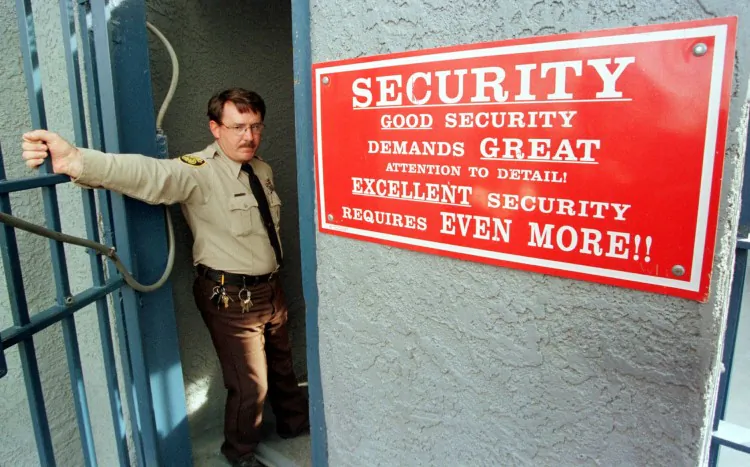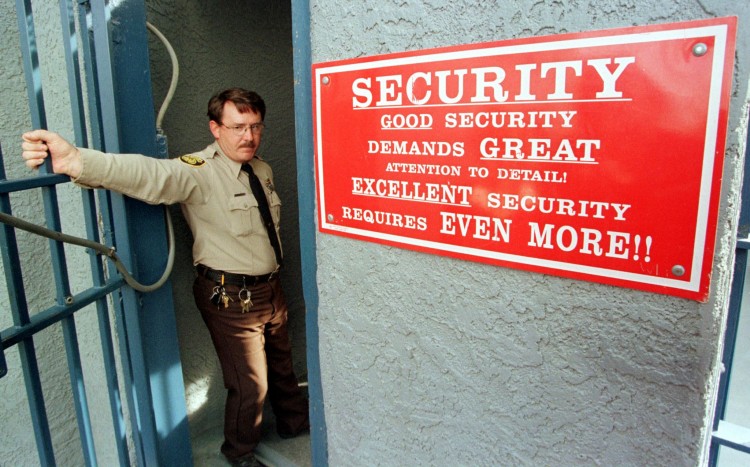

A fight involving 400 inmates at the Arizona State Prison Complex in Tuscon on Sunday night left 17 prisoners and two staff members injured. Prisoners’ rights advocates spoke out against some conditions in Arizona prisons before the incident, but the reasons behind the brawl are still unclear.
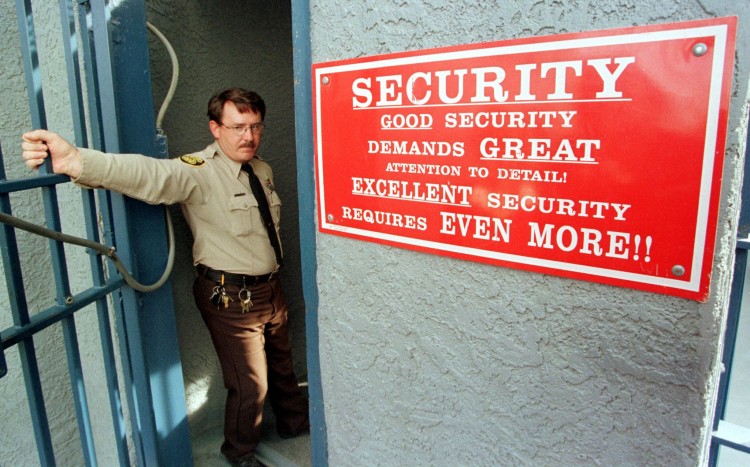
A fight involving 400 inmates at the Arizona State Prison Complex in Tuscon on Sunday night left 17 prisoners and two staff members injured.
The reasons behind the brawl are still unclear and an investigation is underway.
Peggy Plews, a blogger on “Arizona Prison Watch,” was puzzled by the riot, which took place in the minimum security Whetstone Unit of the prison.
“It troubles me this happened on a minimum security yard—the politics aren’t supposed to be so bad there,” wrote Plews. “I hardly ever get distress letters from guys fleeing the violence or racism on that yard.”
She called on the public fill her in on any news from inmates in that unit.
On Friday, Feb. 22, Channel 12 News KPNX in Phoenix, Arizona, reported on a video that recently surfaced showing the death of Arizona State Prison inmate Tony Lester. The video, allegedly suppressed by the state corrections department for two years, shows Lester bleeding to death from self-inflicted wounds as guards stand by and fail to provide assistance, according to local publication the Tuscon Citizen.
Former Arizona Department of Corrections Warden Carl Toersbijns is now an outspoken advocate for prisoners’ rights.
In a letter to Arizona House minority leader Chad Campbell published Friday, March 1, Toersbijns wrote of Lester’s case: “This is why Arizona prisons will soon fail and explode into a revolution that will result in personal harm or death, destruction of state property, and jeopardize the safety of all those communities wherein these prisons are located.”
Historically, overcrowding has been a factor in causing prison riots. That does not seem to be the case in the Arizona prison: According to statistics on the prison’s website, the Tuscon facility has beds for 5,150 inmates, and a current population of 5,034 inmates.
In a 2008 paper titled, “Collective Behavior and the Factors That Cause Prison Riots,” Julie Kristen Pate of Maryville College noted that prison riots happen when prisoners “feel that the benefits of rioting outweigh the consequences.”
Following the 1971 riot at Attica Correctional Facility in New York, prisoner conditions temporarily worsened, but then significantly improved. Governor Nelson Rockefeller allocated an additional $12 million for the Department of Correctional Services to upgrade state prisons six months after the riot.
Personnel training improved, as did general living conditions at the prison.
Similar improvements followed the 1980 riot at the New Mexico State Penitentiary and the 2002 riot at Folsom Prison in California.
 Friends Read Free
Copy
Facebook
Tweet
Friends Read Free
Copy
Facebook
Tweet