
Last Monday, the Danzig Street BBQ in east Scarborough was the talk of families and neighbours in the area. But later that day the community fell silent in the aftershock of a shooting that killed 2 and injured 23.
Police are still collecting evidence and investigating while urging people to come forward with information. The shootings are said to be gang-related.
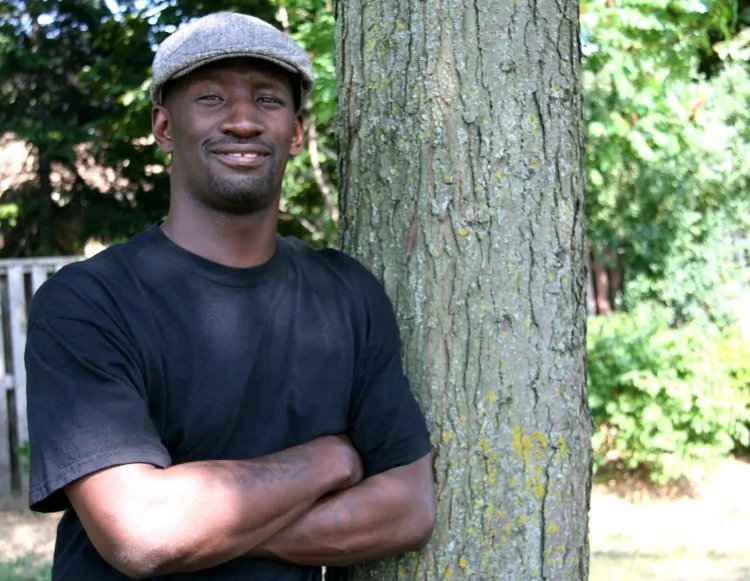
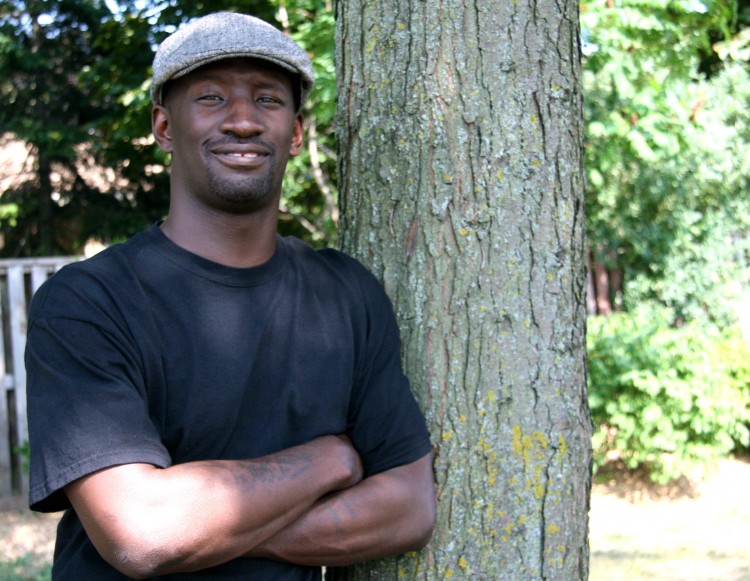
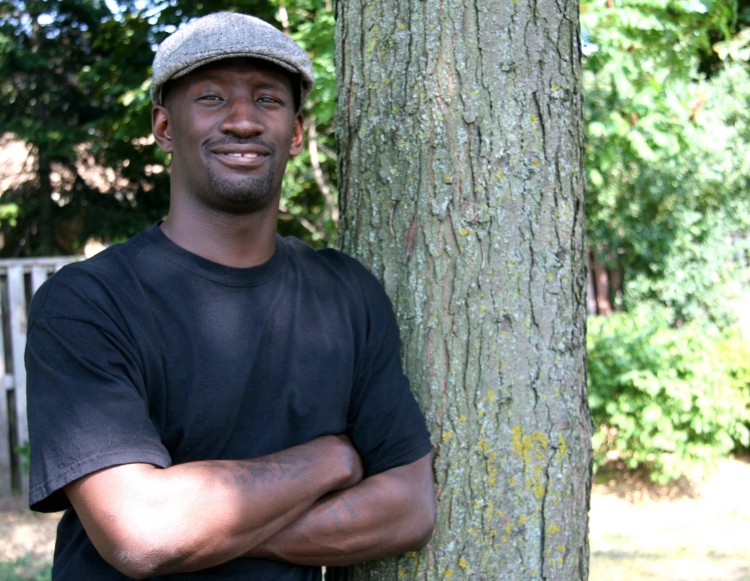
Program facilitator Khalil Abdul-Malik with the Boys & Girls Club of East Scarborough, a community outreach group located just one block away from Danzig St., said the east Scarborough community won’t talk.
“In those neighbourhoods, you don’t talk to the police. People are afraid that, ‘if I talk to the police, there will be retaliation,'” Abdul-Malik said.
He said that sometimes people are afraid they will be accused of participating in the crime if they provide information to police.
Abdul-Malik suggests that police get involved in more outreach programs so that there is dialogue within the community and to build trust between police and community members. He also believes officers should undergo customer service training.
Tom Stamatakis, president of the Canadian Police Association, notes that dealing with gang-related crimes is a challenge as the community fears that they might be targeted by gang members if they speak to police.
It hasn’t been easy pleasing the communities, either, according to Stamatakis, who says community leaders were once complaining that there were too many police officers roaming their neighbourhoods and the cost of maintaining police units was too high.
However, after the Scarborough shootings those same people have asked for more officers in the neighborhood, he noted.
“It’s a bit frustrating from a front line policing perspective where you know how important it is to be engaged with youth, with our more difficult neighbourhoods … when at the same time there seems to be a lot of people that end up politicizing a lot of these very important issues.”
In Vancouver, where gun violence has decreased from 92 incidents in 2005 to 13 in 2011, Constable Lindsey Houghton with the Vancouver Police Department says building better community relations helped bring down the numbers. He said Vancouver is experiencing historic lows in the number of murders and shootings.
“Gang violence is often perpetrated by people either in or on the periphery of gangs, and investigating and solving anything related to gangs can be extremely challenging because people aren’t as willing to speak to the police as they might be in other cases,” Houghton said.
“You have to build that relationship with the communities in order to earn their trust.”
The Epoch Times publishes in 35 countries and in 19 languages. Subscribe to our e-newsletter.
 Friends Read Free
Copy
Facebook
Tweet
Friends Read Free
Copy
Facebook
Tweet