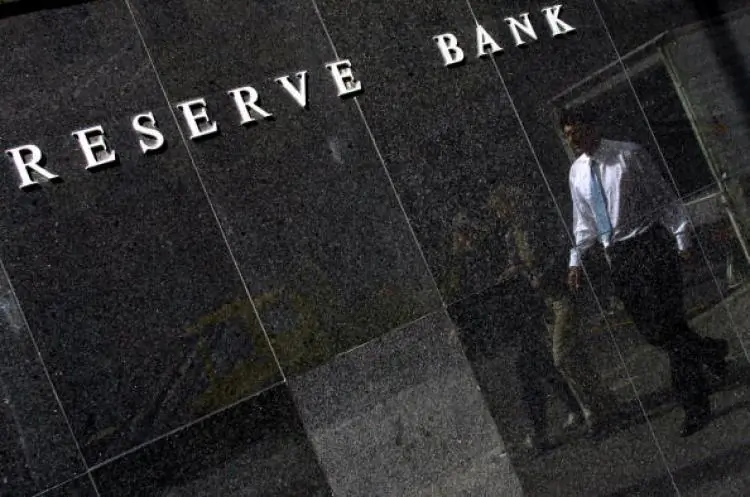

The Reserve Bank of Australia’s (RBA) last board decision to cut interest rates by 25 basis points to 3.5 per cent was a tight balancing act. The Minutes, released on Tuesday, reveal ‘the arguments were finely balanced’—putting to rest any calls that a 50 basis point reduction was necessary.
The Central Bank battled between juggling the domestic economy and growing concerns for Europe. Traditionally the RBA’s primary focus has been to ensure domestic stability—limiting the scope for action on international concerns.
The Reserve Bank noted weakness within the retail, construction and manufacturing sectors, however not been large enough to prevent moderate wage growth—3.7 per cent over the year in the private sector—employment and economic growth have also proved resilient.
“Domestically, recent indicators of economic activity had been mixed…Overall, data on the domestic economy appeared to be broadly consistent with the Bank’s most recent forecasts” said RBA governor Glenn Stevens.
So it seems apprant that with the domestic economy running with only a few glitches, the weight of international concerns were heavy enough to prompt the central bank to cut rates.
Amid fears of a Euro collapse the Reserve Bank contemplated the idea of a potential confidence crisis.
“Developments in the euro area…had increased the probability of a sharp deterioration in economic conditions in response to ongoing concerns about the sustainability of sovereign debt obligations and stability of banking systems.” Mr Stevens said in the Minutes release.
Outside of the Euro concerns, the bank noted that the US recovery has slowed of late, and recent data in China has suggested growth has again slowed. Commodity prices have also declined as global activity softens. Aside from the issue of confidence, these have had direct implications on the Australian dollar.
Mr. Stevens pointed out “The Australian dollar had depreciated by around 5 per cent since the previous Board meeting—in contrast to the resilience it had displayed in the period of heightened risk aversion earlier in the year”
These concerns were able to tip the scales of the Reserve Bank balance beam to undertake pre-emptive measures to protect the domestic economy from external shocks.
“While spillovers had been limited thus far, there was reasonable likelihood that the tendency toward precautionary behaviour both abroad and at home would intensify.” Glenn Stevens said.
As the prospect of a global recovery looks grim and arduous economists are tipping further cuts within the year to occur, possibly up to 125 basis points. Of course, nothing is certain in the current economic environment but the RBA will be sure to pull out their microscopes as the economic balance beam swings.
The Epoch Times publishes in 35 countries and in 19 languages. Subscribe to our e-newsletter.
 Friends Read Free
Copy
Facebook
Tweet
Friends Read Free
Copy
Facebook
Tweet